
A Historic Feat in Long-Distance Running
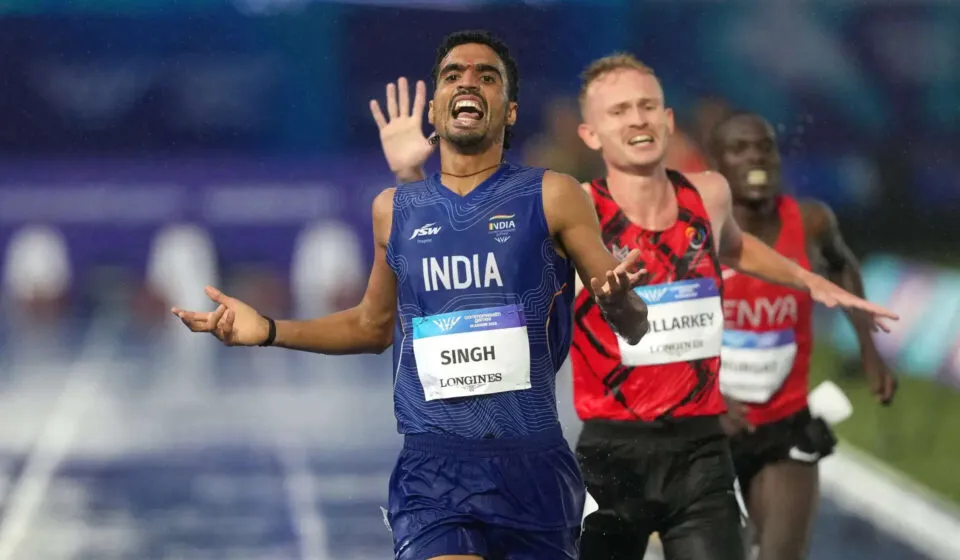
In a moment that will undoubtedly be etched into the annals of Indian sporting history, Gulveer Singh has achieved an unprecedented milestone, securing a silver medal in the men’s 10,000-meter race at the Commonwealth Games. His remarkable performance marks the first time an Indian athlete has ever medaled in this demanding long-distance event at the prestigious quadrennial competition. The achievement, witnessed in Glasgow, represents a significant leap forward for Indian athletics, challenging long-held perceptions and inspiring a new generation of aspiring track and field stars.
Singh, already a national record holder, demonstrated exceptional grit and determination throughout the race, ultimately clocking an impressive time of 27 minutes and 49.78 seconds. He finished second only to Australia’s Ky Robinson, a formidable competitor, in a race that captivated audiences with its strategic pacing and dramatic finish. This silver medal is not just a personal triumph for Gulveer Singh but a beacon of hope and a testament to the evolving landscape of Indian sports.
The Race: A Display of Endurance and Strategy
The men’s 10,000m race is a grueling test of endurance, speed, and mental fortitude, requiring athletes to complete 25 laps around a standard 400-meter track. From the outset, the competition was fierce, with a strong field of international runners vying for podium positions. Gulveer Singh positioned himself strategically within the leading pack, conserving energy in the initial stages while maintaining a close watch on his key rivals.
As the race progressed into its latter half, the pace intensified. Singh responded with unwavering resolve, steadily increasing his speed and demonstrating an ability to push through the physical and psychological barriers inherent in such a long-distance event. His tactical awareness was evident as he managed to stay within striking distance of the leaders, eventually making a decisive move in the closing laps. The final sprint saw him battling intensely, securing his silver medal with a powerful surge that left competitors trailing.
His time of 27:49.78 is a testament to his rigorous training and consistent performance. While already holding the national record, this performance on a global stage, under immense pressure, underscores his capability to compete with the world’s best. The atmosphere in Glasgow was electric, and Singh’s achievement resonated deeply, drawing cheers from spectators and marking a truly memorable moment for Indian sports.
Breaking Barriers: A New Dawn for Indian Long-Distance Running
For decades, India’s presence in long-distance running events on the international stage, particularly at major championships like the Commonwealth Games, has been limited. While the nation has celebrated successes in other athletic disciplines, endurance running has often remained an area where significant breakthroughs were elusive. Gulveer Singh’s silver medal shatters this narrative, proving that Indian athletes possess the potential to excel in even the most physically demanding track events.
This historic achievement serves as a powerful validation for the athletes, coaches, and federations who have been working tirelessly to develop long-distance running programs in India. It highlights:
- Increased Focus: The growing emphasis on endurance training and scientific preparation within Indian athletics.
- Talent Identification: The success of scouting and nurturing talent from diverse regions across the country.
- International Exposure: The benefits of providing athletes with opportunities to compete against global talent, learning and improving with each outing.
- Inspiration: The profound impact such a medal will have on young athletes, encouraging them to pursue long-distance running with renewed vigor and belief.
Gulveer Singh’s journey to this podium finish is likely a story of immense dedication, countless hours of training, and overcoming various challenges inherent in a sport that demands unwavering commitment. His success will undoubtedly inspire a closer look at the training methodologies and support systems necessary to produce more such champions.
The Significance of the Commonwealth Games
The Commonwealth Games hold a unique place in the international sporting calendar. Often referred to as the ‘Friendly Games,’ they bring together athletes from 72 nations and territories of the Commonwealth. While not on the same scale as the Olympic Games, the Commonwealth Games provide a vital platform for athletes to compete at a high international level, gain valuable experience, and test their mettle against some of the best talents from Commonwealth nations.
For many athletes, a medal at the Commonwealth Games can be a stepping stone to greater international success and recognition. For nations like India, which boasts a vast population and a burgeoning sports culture, strong performances at these games are crucial for national pride, attracting investment in sports infrastructure, and fostering a healthier, more active populace. Gulveer Singh’s medal, therefore, carries weight beyond its metallic value; it symbolizes progress, potential, and pride for a nation with immense sporting aspirations.
Looking Ahead: Building on This Momentum
Gulveer Singh’s historic silver medal should not be seen as an isolated incident but rather as a catalyst for future successes in Indian athletics. This achievement provides valuable momentum that the sporting ecosystem in India can leverage. It reinforces the belief that with sustained effort, strategic planning, and adequate resources, Indian athletes can indeed stand shoulder-to-shoulder with the world’s elite in a wider range of disciplines.
The focus moving forward will likely be on:
- Sustained Investment: Channelling more resources into long-distance running programs, including coaching, nutrition, and sports science.
- High-Performance Training: Establishing more specialized training centers and providing access to international-standard facilities.
- Youth Development: Implementing robust grassroots programs to identify and groom young talent from an early age.
- Mental Conditioning: Recognizing the crucial role of sports psychology in preparing athletes for high-pressure international competitions.
The path to consistent international success is long and arduous, but Gulveer Singh has illuminated a crucial part of that path for Indian long-distance runners. His performance is a powerful reminder that with dedication and belief, even the most challenging barriers can be overcome.
Conclusion
Gulveer Singh’s silver medal in the men’s 10,000m at the Commonwealth Games is a landmark achievement, a testament to individual perseverance, and a significant moment for Indian athletics. By becoming the first Indian to secure a medal in this event, Singh has not only carved his name into history but has also inspired countless others to dream bigger and push harder. This triumph in Glasgow signals a promising future for India in long-distance running, laying the groundwork for what many hope will be a new era of sustained success on the global track and field stage.