
Introduction: Navigating the Complexities of Public Expression
In a vibrant democracy like India, the right to protest and express dissent is a cornerstone of civic life. However, recent statements from prominent figures, including former India football captain Bhaichung Bhutia, ace shooter Manu Bhaker, and Prime Minister Narendra Modi, have ignited a crucial conversation about the boundaries of this expression, particularly concerning the use of respectful language. Their comments underscore a growing societal debate on how to balance robust criticism with maintaining decorum, especially when addressing high public offices.
The discussion comes at a time when public discourse, often amplified by digital platforms, can quickly devolve into vitriol. The challenge lies in upholding the democratic right to voice opposition while simultaneously fostering an environment of mutual respect and constructive engagement. This article delves into the perspectives offered by these influential personalities and explores the broader implications for India’s democratic fabric.
The Right to Dissent and the Call for Civility
Bhaichung Bhutia, a revered name in Indian football, articulated a nuanced position that resonates with many. While firmly upholding citizens’ fundamental right to protest, he stressed the importance of avoiding abusive language, especially when directed at the Prime Minister. His statement highlights a critical distinction:
- The Right to Protest: A fundamental tenet of democracy, allowing citizens to express grievances and demand accountability from their leaders.
- The Obligation for Respectful Language: A civic duty to maintain a certain level of decorum, particularly towards the highest office of the land, irrespective of political disagreements.
Bhutia’s perspective suggests that the office of the Prime Minister carries a certain sanctity that demands a degree of respect, even amidst strong opposition. This isn’t about stifling criticism but about ensuring that the manner of critique upholds the dignity of democratic institutions. The argument is that while one may disagree vehemently with policies or leadership, resorting to abusive language undermines the very democratic processes one seeks to influence, often leading to a degradation of public discourse rather than productive dialogue.
Voices from the Sporting Arena: Role Models Speak Out
The intervention of sports personalities like Bhaichung Bhutia and Manu Bhaker adds another layer of significance to this debate. As public figures and role models, especially for the youth, their words carry considerable weight beyond the political arena. Manu Bhaker, an Olympic medalist in shooting, specifically appealed to youngsters to use respectful words.
This appeal is particularly pertinent in the current digital age, where social media platforms often become hotbeds for unmoderated, aggressive, and sometimes abusive language. Young people, who are highly engaged with these platforms, are constantly exposed to such discourse. Bhaker’s call serves as a reminder that:
- Public figures have a responsibility to model appropriate behavior.
- The language used in public spaces, including online, shapes societal norms.
- Encouraging respectful communication from a young age is crucial for fostering a healthier democratic culture.
Their statements transcend their athletic achievements, positioning them as advocates for civic responsibility. By emphasizing respectful communication, they are indirectly advocating for a more mature and constructive form of political engagement, one where ideas are debated on their merit rather than being drowned out by personal attacks or vulgarity.
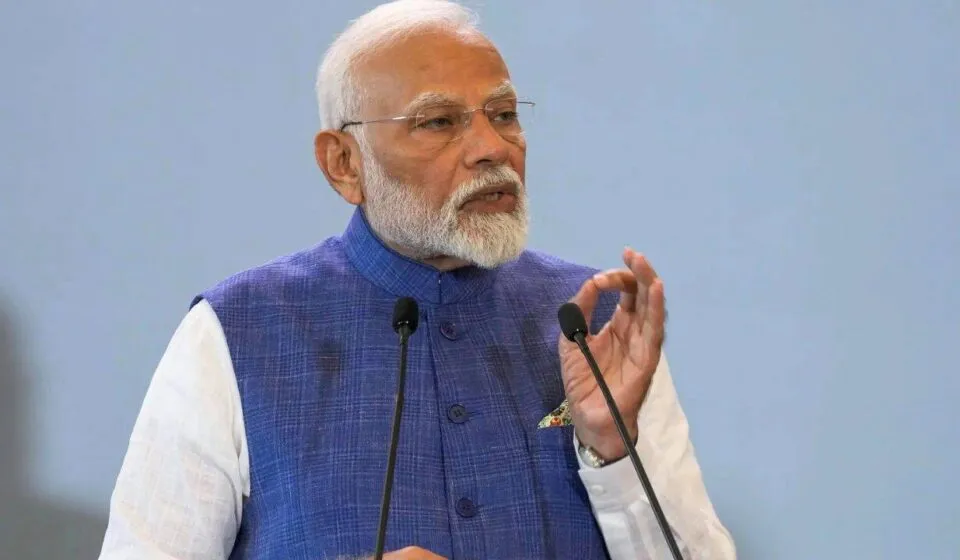
The Prime Minister’s Stance: Magnanimity in the Face of Criticism
Perhaps the most striking aspect of this discussion is Prime Minister Narendra Modi’s response to the protests and the language used against him. Rather than seeking punitive action against the protesters, he adopted a magnanimous approach, characterizing their actions as