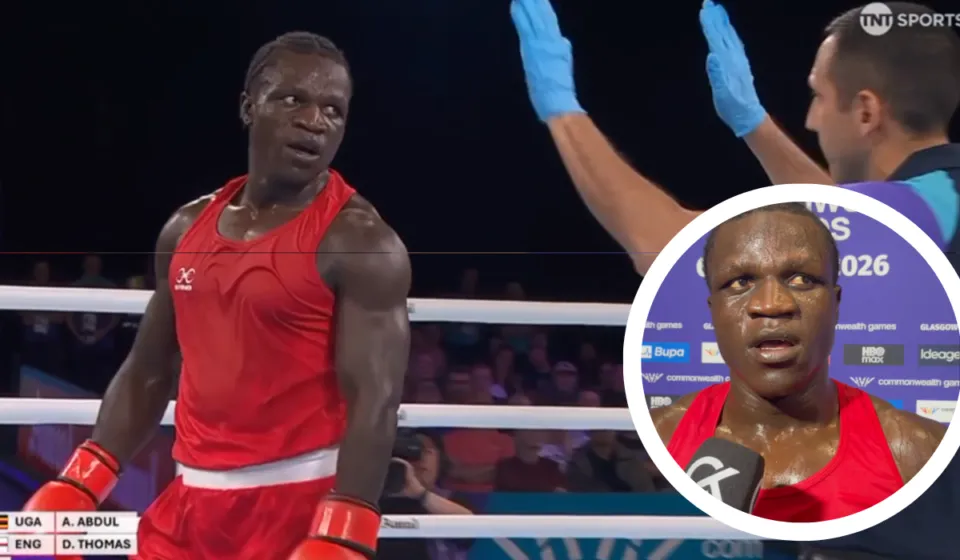

Controversy Erupts at Commonwealth Games: Abdul’s Racism Allegation Dismissed by Officials
The spirit of camaraderie and competition that typically defines the Commonwealth Games was momentarily overshadowed by a significant controversy involving Ugandan boxer Aziz Abdul. His journey in the prestigious multi-sport event came to an abrupt and contentious end following a disqualification in his bout against England’s Damar Thomas. The decision, stemming from a headbutt incident, spiraled into a heated exchange as Abdul vehemently accused officials of racial bias, a claim swiftly and firmly rejected by Commonwealth Sport president Donald Rukare, who maintained it was a legitimate field-of-play ruling.
This incident cast a shadow over the boxing arena, prompting discussions about fairness, the pressures of elite competition, and the ever-present sensitivities surrounding allegations of discrimination in sport.
The Disqualification Incident: A Bout Cut Short
The boxing match between Aziz Abdul, representing Uganda, and Damar Thomas of England was poised to be a display of athletic prowess and strategic combat. However, the contest took an unexpected turn when Abdul was disqualified by the referee. The decision was made following an assessment that Abdul had committed a headbutt, an infringement considered serious in boxing due to the potential for injury and its violation of fair play principles.
In boxing, headbutts are strictly prohibited. While accidental clashes of heads can occur in the heat of a fight, intentional or reckless use of the head as a weapon can lead to penalties ranging from warnings and point deductions to, in severe cases, outright disqualification. The referee’s judgment in such moments is critical and often final, aiming to protect the safety of both athletes and uphold the integrity of the sport.
For Abdul, the disqualification meant an immediate end to his Commonwealth Games aspirations. The abruptness of the decision, coupled with its severe consequences, undoubtedly contributed to his strong emotional reaction in the aftermath of the bout.
Aziz Abdul’s Stinging Accusation of Racism
In the wake of his disqualification, a visibly distraught Aziz Abdul did not mince words. He publicly voiced his belief that racism had played a role in the officials’ decision. “I’m a black African,” Abdul reportedly stated, implying that his ethnicity was a factor in what he perceived as unfair treatment. This powerful accusation immediately escalated the incident from a routine sporting dispute into a broader discussion about impartiality and potential bias within the officiating system.
For an athlete who has dedicated years to training and preparation, a disqualification at a major international event like the Commonwealth Games is a devastating blow. The emotional intensity of such moments can lead to strong reactions, and claims of unfairness are not uncommon. However, explicitly linking the decision to racial discrimination introduces a far more serious dimension, demanding careful consideration and a robust response from sports authorities.
Commonwealth Sport’s Firm Rejection of Allegations
Responding directly to Abdul’s serious allegations, Commonwealth Sport president Donald Rukare moved quickly to address the controversy. Rukare categorically rejected the claims of racism, emphasizing that the decision to disqualify Abdul was a legitimate “field-of-play decision.” He asserted that all athletes at the Commonwealth Games are treated fairly and that the officiating process is designed to be impartial and based solely on the rules of the sport.
Rukare’s statement aimed to reaffirm the integrity of the officiating body and the broader Commonwealth Games organization. Multi-sport events of this magnitude operate under strict rules and regulations, with officials trained to apply them consistently across all competitors, irrespective of their nationality or background. The rejection underscored the organization’s commitment to upholding principles of fair play and ensuring that decisions are made on merit, not prejudice.
The Broader Dialogue on Racism in Sport
Abdul’s claim, though rejected, highlights the ongoing and critical dialogue surrounding racism and discrimination in sports globally. While sports are often celebrated as unifying forces, they are not immune to societal issues. Allegations of racial bias, whether from athletes, fans, or within administrative structures, continue to surface across various disciplines.
When such claims are made, even if later found to be unsubstantiated, they necessitate a serious and transparent response from governing bodies. The perception of fairness is almost as crucial as fairness itself. Sports organizations are increasingly implementing diversity and inclusion initiatives, training programs for officials, and clear grievance procedures to address concerns and build trust among athletes from all backgrounds. The very act of an athlete feeling compelled to raise such a concern underscores the importance of these ongoing efforts.
Rules and Officiating in Amateur Boxing
Amateur boxing, as practiced at events like the Commonwealth Games, operates under a comprehensive set of rules designed to ensure competitive balance, athlete safety, and fair adjudication. The role of the referee is paramount, acting as the ultimate authority within the ring. Their responsibilities include:
- Enforcing rules such as no hitting below the belt, no holding, and crucially, no headbutting.
- Monitoring the safety of the boxers, intervening to stop fights if a boxer is deemed unable to continue or is being excessively punished.
- Administering warnings, point deductions, and disqualifications for rule infractions.
Headbutts are particularly dangerous. They can cause cuts, concussions, and other serious injuries, which is why they carry severe penalties. Referees are trained to observe the intent and impact of such actions. While a referee’s decision is often made in a split second under immense pressure, there are usually processes for review or appeal, though these are typically for more complex procedural issues rather than direct challenges to a referee’s real-time judgment on a foul.
The subjective element in officiating, particularly in fast-paced sports like boxing, means that decisions can sometimes be contentious. However, the overarching principle is to apply the rules consistently and without bias, a principle that Commonwealth Sport reiterated in its response to Abdul’s allegations.
Impact and Aftermath for the Athlete and the Games
For Aziz Abdul, the disqualification marked an untimely and bitter end to his participation in the Commonwealth Games. Athletes invest years of their lives, immense personal sacrifice, and national pride into preparing for such pinnacle events. To have that journey conclude under a cloud of controversy and a sense of injustice is undoubtedly a profound disappointment.
The incident also served as a moment of reflection for the wider Games community. While the focus quickly returned to the ongoing competitions, the exchange highlighted the delicate balance between competitive intensity and the upholding of sporting ethics. It underscored the importance of clear communication, transparent decision-making, and robust mechanisms for addressing athlete concerns, ensuring that the spirit of fair play remains at the core of these international gatherings.
Conclusion: Upholding Integrity Amidst Controversy
The disqualification of Ugandan boxer Aziz Abdul and his subsequent accusation of racism against officials created a brief but intense moment of controversy at the Commonwealth Games. While Abdul expressed a deeply felt sense of injustice, linking the decision to his ethnicity, Commonwealth Sport president Donald Rukare firmly rejected these claims, asserting that the ruling was a legitimate consequence of a field-of-play infraction. This incident, though resolved with an official rejection of the racism claim, serves as a poignant reminder of the complexities inherent in elite sports. It highlights the immense pressure on athletes and officials alike, the critical importance of transparent and fair officiating, and the continuous need for sports organizations to foster environments where all participants feel respected and judged solely on their performance and adherence to the rules of the game. The Commonwealth Games ultimately continued, but the episode left an indelible mark on the narrative of an athlete’s journey and the enduring pursuit of equity in sport.