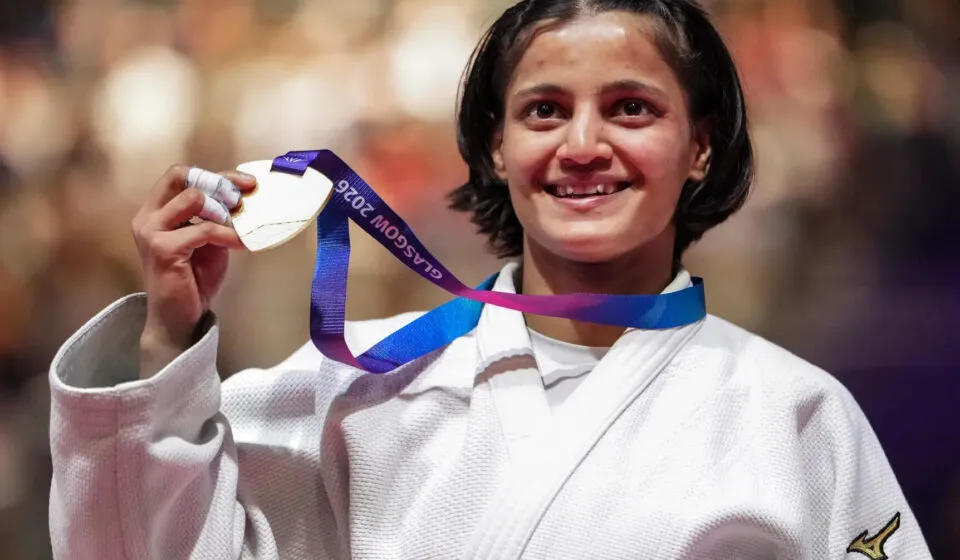

A Golden Moment for Indian Judo
In a display of extraordinary grit and unwavering spirit, Asmita Dey etched her name into the annals of Indian sports history by securing the nation’s first-ever judo gold medal at the Commonwealth Games. Her victory, achieved in a nail-biting golden score final against Canada’s formidable Heidi Quach, was not merely a testament to her athletic prowess but also a profound narrative of overcoming immense personal tragedy and unwavering dedication. This monumental achievement, coupled with Harsh Singh’s parallel gold in the men’s 60kg category, signifies a pivotal breakthrough for Indian judo, heralding a new era of recognition and aspiration for the sport in the country.
The path to a Commonwealth Games gold is arduous, demanding years of relentless training, strategic preparation, and an unyielding mental fortitude. For Asmita Dey, this journey was compounded by a deeply personal loss that threatened to derail her dreams. Yet, through sheer resilience, she transformed her grief into a powerful catalyst, channeling her emotions into a performance that captivated audiences and inspired a nation.
The Emotional Weight of a Champion’s Journey
The human spirit’s capacity to transcend adversity is often the most compelling aspect of any sporting triumph. For Asmita Dey, the memory of her late father served as both a profound sorrow and an enduring source of motivation. The RSS title’s poignant quote, "I felt that everything was over," offers a glimpse into the profound despair she experienced. Losing a parent is an unfathomable blow, and to navigate the intense demands of elite athletic competition while grappling with such a loss speaks volumes about her inner strength.
Sources close to the athlete indicate that the period following her father’s passing was incredibly challenging. The emotional toll could have easily led to a hiatus or even retirement from the sport. However, Asmita chose a different path. She committed herself to her training with renewed vigor, finding solace and purpose on the judo mat. Her father’s memory became a driving force, a silent promise to achieve the greatness he would have been proud of. This emotional bedrock underpinned her physical preparation, allowing her to push beyond conventional limits and confront the world’s best.
Understanding the Golden Score Thriller
The final match against Canada’s Heidi Quach was a masterclass in strategic judo and mental endurance, ultimately decided by the "golden score" rule. For those unfamiliar with judo’s scoring system, a match typically lasts four minutes for women, with points awarded for throws (Ippon, Waza-ari) or pins (Osaekomi). If no clear winner emerges by the end of regulation time, the match enters a sudden-death overtime period known as "golden score."
In golden score, the first athlete to score any point (Waza-ari or Ippon) or whose opponent receives a third penalty (shido) is declared the winner. This format dramatically intensifies the pressure, as every move carries immediate consequences. Asmita Dey and Heidi Quach battled fiercely through the regulation period, neither able to secure a decisive advantage. The golden score period then became a test of nerves, stamina, and strategic execution. Asmita’s ability to maintain her composure, execute her techniques flawlessly, and ultimately secure the winning score under such immense pressure highlights her exceptional skill and mental toughness, proving she truly deserved the historic gold.
Harsh Singh’s Parallel Triumph: A Dual Celebration
While Asmita Dey’s story captured headlines for its emotional depth and historic significance, the Commonwealth Games also witnessed another remarkable achievement for Indian judo: Harsh Singh’s gold medal in the men’s 60kg category. Singh’s victory further amplified India’s presence on the judo podium, marking a truly unprecedented performance for the nation in the sport at such a prestigious event.
Harsh Singh’s journey to gold, though less publicized for personal tragedy, was undoubtedly one of rigorous training and dedication. His triumph in a highly competitive weight class demonstrates the growing depth and talent within Indian judo. Together, these two gold medals represent more than just individual accolades; they signify a collective surge in the sport’s development, offering a powerful message of potential and future success for aspiring judokas across India.
The Road Ahead for Indian Judo
Historically, judo in India has faced numerous challenges, including limited infrastructure, insufficient funding, and a lack of widespread public awareness compared to sports like cricket. Despite these hurdles, dedicated athletes and coaches have tirelessly worked to elevate the sport. The twin gold medals at the Commonwealth Games are a watershed moment, providing much-needed impetus and visibility.
This success is expected to:
- Boost Funding and Support: Attract greater investment from sports authorities and corporate sponsors, leading to better training facilities, equipment, and international exposure for athletes.
- Inspire New Talent: Encourage a new generation of young Indians to take up judo, seeing tangible proof of success on the global stage.
- Enhance Coaching and Development Programs: Lead to improved coaching methodologies and grassroots development programs, creating a stronger talent pipeline.
- Increase Public Awareness: Generate media interest and public engagement, elevating judo’s profile within the broader Indian sporting landscape.
The Judo Federation of India, along with state-level associations, now has a golden opportunity to capitalize on this momentum. Strategic planning, coupled with continued investment in athlete welfare and development, will be crucial in translating these individual triumphs into sustained national excellence.
A Legacy of Inspiration and Hope
Asmita Dey’s gold medal is more than just a piece of metal; it is a symbol of hope, resilience, and the indomitable human spirit. Her ability to channel profound personal grief into a historic sporting achievement offers a powerful narrative for anyone facing adversity. It underscores the idea that even when "everything feels over," there is still strength to be found, dreams to be pursued, and victories to be claimed.
Both Asmita Dey and Harsh Singh have now become beacons for Indian judo. Their names will be remembered not only for their historic wins but also for the courage and determination they exhibited. Their achievements serve as a testament to the fact that with unwavering dedication, strategic training, and a resilient spirit, Indian athletes can stand shoulder to shoulder with the world’s best, bringing glory to their nation and inspiring millions.