
Proposed Sanctions Bill Faces Uphill Battle
A contentious legislative proposal aimed at imposing tariffs on countries purchasing significant volumes of Russian oil and gas is encountering substantial resistance within the United States Congress. The bill, which has garnered attention for its potential far-reaching economic and geopolitical implications, faces an uncertain future as lawmakers from both major parties, alongside influential industry trade groups, voice profound concerns. This bipartisan opposition casts a long shadow over the bill’s prospects, highlighting the complex interplay of foreign policy objectives, domestic economic interests, and global energy market stability.
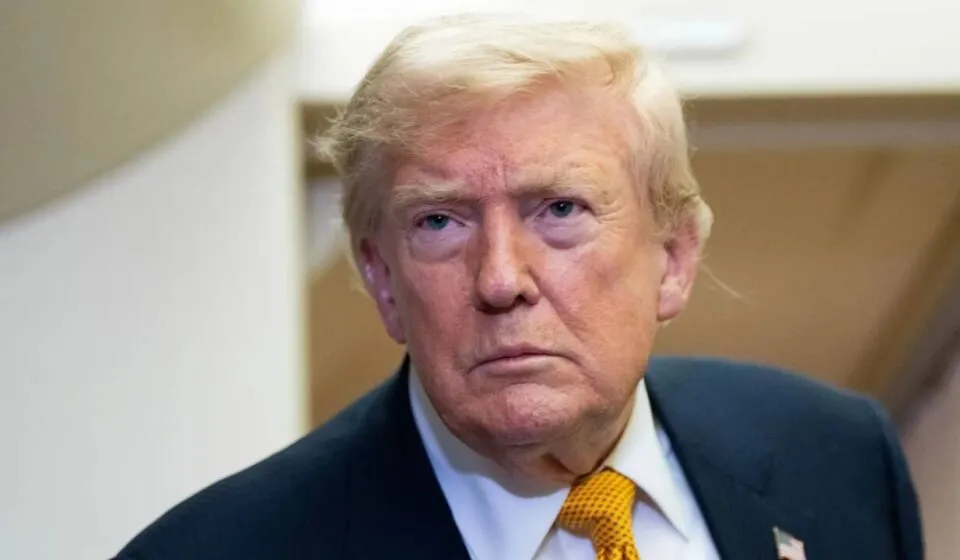
The legislation, reportedly championed by former President Donald Trump, seeks to leverage economic pressure against Russia by targeting its primary revenue streams. However, the mechanism chosen – tariffs on allied and partner nations – has ignited a fierce debate, raising questions about its effectiveness, unintended consequences, and the potential for diplomatic fallout.
The Core of the Legislation: Tariffs as a Tool
At the heart of the proposed bill lies a provision granting the U.S. executive branch the authority to levy substantial tariffs on nations deemed to be significant buyers of Russian energy commodities. The explicit goal is to diminish Russia’s financial capacity to fund its ongoing military actions and exert its influence on the global stage. By making Russian oil and gas less attractive to international buyers, proponents argue, the bill would ultimately reduce demand and depress prices, thereby starving the Russian economy of vital funds.
This approach represents a significant escalation in the economic toolkit employed against Russia, moving beyond direct sanctions on Russian entities and individuals to penalize third-party nations. Such a policy aims to create a ripple effect, compelling countries worldwide to reduce their reliance on Russian energy or face punitive economic measures from the United States. The scope and scale of these potential tariffs, and the definition of a “significant volume” of Russian energy, remain key points of contention and concern among those scrutinizing the bill.
Bipartisan Concerns Emerge
Despite the shared objective of countering Russian aggression, the bill has failed to unite Congress. Lawmakers from across the political spectrum have articulated a range of serious objections, threatening the bill’s passage in the House of Representatives. These concerns are multifaceted and reflect a deep apprehension about the practical consequences of such a policy:
- Economic Strain on Allies: Many fear that imposing tariffs on countries that purchase Russian oil would disproportionately harm U.S. allies and partners who, for various geopolitical and logistical reasons, still rely on Russian energy. This could strain critical alliances and potentially push these nations closer to Russia or other adversaries.
- Global Energy Market Volatility: The introduction of tariffs on major energy buyers could inject significant instability into already volatile global energy markets. Such measures could lead to price spikes, supply chain disruptions, and increased energy costs worldwide, impacting consumers and industries globally, including within the United States.
- Executive Overreach: Some members of Congress are wary of granting the executive branch broad authority to impose tariffs on foreign nations without sufficient congressional oversight or clear criteria. This raises constitutional questions regarding the balance of power and the delegation of economic policy tools.
- Retaliatory Measures: There is a legitimate concern that targeted nations might respond with retaliatory tariffs or other economic sanctions against U.S. goods and services, sparking trade wars that could harm American businesses and consumers.
- Effectiveness and Unintended Consequences: Critics question whether the tariffs would genuinely achieve their stated goal of crippling the Russian economy or merely reroute Russian energy to other markets, potentially at discounted prices, while burdening U.S. allies.
The sentiment from both Republican and Democratic camps indicates a strong preference for more targeted sanctions that directly impact Russia without alienating crucial international partners.
Industry Trade Groups Raise Alarms
Adding to the congressional skepticism, various industry trade groups have vociferously expressed their opposition to the proposed tariffs. These organizations, representing sectors ranging from energy production and refining to international trade and manufacturing, foresee significant negative impacts on their operations and the broader U.S. economy.
Their primary concerns include:
- Increased Costs: Tariffs on foreign buyers could indirectly increase the global demand for non-Russian oil, driving up prices for energy commodities that U.S. industries and consumers rely upon.
- Supply Chain Disruptions: The global energy market is intricately linked. Disrupting established supply chains through tariffs could create bottlenecks, shortages, and inefficiencies that ripple through numerous industries.
- Competitive Disadvantage: If U.S. allies are forced to seek alternative, potentially more expensive energy sources due to tariffs, it could put their industries at a competitive disadvantage globally, potentially leading to a broader economic slowdown that would eventually impact U.S. trade.
- Uncertainty and Investment Chill: The prospect of unpredictable tariffs and trade conflicts creates an environment of uncertainty that discourages long-term investment in the energy sector and related industries.
These groups emphasize the need for stable, predictable international trade policies that support global economic growth rather than introducing disruptive measures.
Historical Context: Sanctions and Energy Policy
The U.S. has a long history of employing sanctions as a foreign policy tool, particularly against states deemed hostile or engaging in undesirable behavior. Following Russia’s full-scale invasion of Ukraine in 2022, the U.S. and its allies implemented an unprecedented array of financial, technological, and energy-related sanctions directly targeting Russia. These included bans on Russian oil and gas imports by some nations, price caps on Russian crude oil, and restrictions on Russian financial institutions.
While these measures have undeniably impacted the Russian economy, Russia has demonstrated a degree of resilience, rerouting its energy exports to other markets, particularly in Asia. This experience highlights the challenges of fully isolating a major energy producer like Russia and underscores the complexities of leveraging energy policy for geopolitical ends. The proposed tariff bill represents a more aggressive, indirect approach, but one that risks alienating the very partners needed to maintain a united front against Moscow.
The Road Ahead for the Bill
Given the significant bipartisan opposition and the strong concerns voiced by industry stakeholders, the path forward for this sanctions bill appears exceedingly difficult in the House of Representatives. For any legislation to pass, it requires broad consensus, particularly on issues with such profound economic and foreign policy implications. The current climate suggests that the bill, in its present form, is unlikely to garner the necessary support.
Lawmakers will likely seek alternative strategies to address Russian aggression, focusing on measures that strengthen alliances, provide direct aid to Ukraine, and implement more targeted sanctions that minimize collateral damage to the global economy. The debate surrounding this bill underscores the delicate balance policymakers must strike between asserting geopolitical influence and safeguarding international economic stability and diplomatic relations.
Conclusion
The proposed legislation to impose tariffs on countries buying Russian oil and gas faces a formidable challenge in the U.S. House, primarily due to widespread bipartisan opposition and strong lobbying from industry groups. Concerns range from potential economic harm to allies and global market instability to questions about the policy’s overall effectiveness and the risk of executive overreach. As Congress continues to grapple with strategies to counter Russian aggression, the current bill serves as a stark reminder of the intricate and often conflicting considerations involved in international economic statecraft, suggesting that a more nuanced approach may be necessary to achieve desired foreign policy outcomes without incurring significant unintended costs.