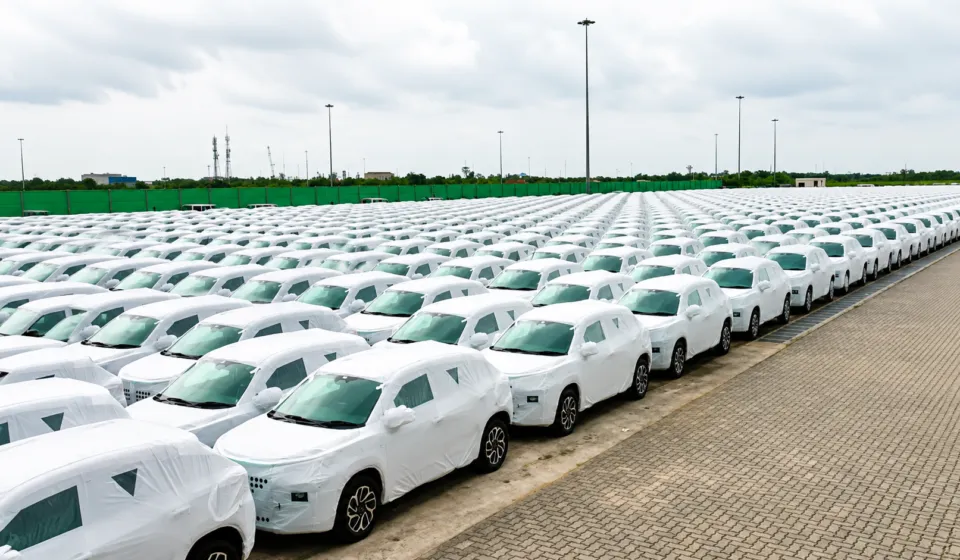
India’s Automotive Sector Accelerates: Passenger Vehicle Sales Surge by 33% in July, Setting New Records

A Resurgence in India’s Passenger Vehicle Market
India’s automotive industry witnessed a remarkable upturn in July, with passenger vehicle sales recording an impressive 33% year-on-year jump. This significant surge underscores a robust recovery and growing consumer confidence within the nation’s economy. Leading manufacturers, including Maruti Suzuki and Hyundai, reported unprecedented dispatch figures, marking new monthly records. Alongside these giants, domestic players like Tata Motors and Mahindra & Mahindra also contributed substantially to the sector’s strong performance, posting considerable increases in their sales volumes.
This powerful momentum is largely attributed to a confluence of factors, including strategic government initiatives aimed at stimulating demand and a generally favorable economic climate that fostered optimistic consumer sentiment throughout the month. The sustained growth indicates a potential shift in purchasing patterns and a renewed appetite for personal mobility solutions across the country.
Understanding the Context: India’s Dynamic Auto Landscape
The Indian automotive market is a critical pillar of the nation’s economy, contributing significantly to its Gross Domestic Product (GDP) and serving as a major employer. Historically, the sector has navigated various challenges, from global economic downturns to domestic policy shifts. The period immediately preceding and during the COVID-19 pandemic saw considerable disruption, including supply chain bottlenecks, particularly concerning semiconductor shortages, and fluctuating consumer demand.
However, the sector has demonstrated remarkable resilience. Post-pandemic recovery has been characterized by pent-up demand, as consumers prioritize personal vehicles for safety and convenience. The government’s focus on economic revival, coupled with infrastructure development and various production-linked incentive (PLI) schemes, has laid a strong foundation for growth. This recent surge in July can be seen as a culmination of these recovery efforts and evolving market dynamics.
Key Players Drive Record-Breaking Performance
The stellar performance in July was spearheaded by some of the industry’s most prominent names:
- Maruti Suzuki India Limited: As the largest car manufacturer in India, Maruti Suzuki’s record dispatches are a strong indicator of overall market health. Their extensive portfolio, ranging from entry-level hatchbacks to popular SUVs, caters to a wide demographic, allowing them to capitalize on diverse consumer needs.
- Hyundai Motor India Limited: Hyundai, a significant player in the premium hatchback and SUV segments, also registered its highest-ever monthly dispatches. Their focus on design, features, and aggressive marketing strategies has resonated well with urban consumers.
- Tata Motors: The homegrown automotive major continued its strong trajectory, driven by its popular SUV line-up and an expanding portfolio of electric vehicles (EVs). Tata Motors has strategically positioned itself to capture the growing demand for sustainable mobility.
- Mahindra & Mahindra: Known for its rugged SUVs and utility vehicles, Mahindra & Mahindra also reported substantial sales growth. The company has successfully launched new models and updated existing ones, appealing to consumers seeking powerful and feature-rich vehicles.
The collective success of these manufacturers highlights an industry-wide positive trend, suggesting that various segments of the passenger vehicle market are experiencing robust demand.
Factors Fueling the Automotive Boom
Several underlying factors have converged to create this favorable environment for passenger vehicle sales:
Enhanced Consumer Confidence and Disposable Income
A key driver behind the sales surge is the palpable improvement in consumer sentiment. As the Indian economy continues its recovery path, employment rates have stabilized, and disposable incomes are showing an upward trend, especially in urban and semi-urban areas. This economic optimism translates directly into increased purchasing power and a willingness to invest in big-ticket items like cars.
Strategic Government Interventions
The government’s proactive stance in implementing demand-boosting measures has played a crucial role. While specific policies can vary, these typically include:
- Economic Stimulus Packages: Initiatives designed to inject liquidity into the economy and support various sectors.
- Infrastructure Development: Investments in road networks and urban connectivity indirectly boost vehicle sales by improving accessibility and reducing travel times.
- Favorable Fiscal Policies: Tax incentives or reduced duties on certain vehicle categories can make purchases more attractive.
- Ease of Doing Business: Streamlined regulations and support for manufacturing contribute to a healthier supply chain and competitive pricing.
These measures collectively create an environment conducive to both production and consumption.
Improved Supply Chain Dynamics
The global semiconductor shortage, which severely hampered vehicle production in previous years, has shown signs of easing. Automakers have adapted their procurement strategies and optimized production processes, leading to better availability of components. This improved supply chain resilience has allowed manufacturers to meet the burgeoning demand more effectively, reducing waiting periods for popular models.
New Product Launches and Portfolio Expansion
Automakers have consistently introduced new models and refreshed existing ones, offering consumers a wider array of choices with advanced features, improved fuel efficiency, and enhanced safety. The fierce competition among manufacturers to capture market share often results in innovative products that attract buyers.
Accessible Financing Options
The availability of attractive financing schemes, competitive interest rates, and flexible loan options from banks and financial institutions has made vehicle ownership more accessible to a broader segment of the population. Easy access to credit plays a vital role in converting purchase intentions into actual sales.
Future Outlook and Potential Challenges
While the July figures paint an optimistic picture, the automotive sector’s future trajectory will depend on several evolving factors. The momentum is expected to continue into the festive season, which traditionally witnesses higher sales volumes. However, potential headwinds include global economic uncertainties, fluctuations in commodity prices, and the possibility of interest rate hikes to curb inflation, which could impact consumer financing costs.
On the flip side, the long-term prospects remain strong. India’s burgeoning middle class, rapid urbanization, and ongoing infrastructure development will continue to fuel demand. Furthermore, the accelerating transition towards electric vehicles (EVs) presents both an opportunity and a challenge for manufacturers to innovate and adapt their product strategies to meet future mobility needs and environmental regulations. Government support for EV adoption, through subsidies and charging infrastructure development, will be crucial in shaping this transition.
Economic Ripple Effects
The robust performance of the passenger vehicle segment has far-reaching implications for the broader Indian economy. It signifies not just increased sales but also:
- Boost to Manufacturing: Higher vehicle production translates to increased activity in manufacturing units, creating jobs and stimulating growth in ancillary industries such as auto components, steel, rubber, and plastics.
- Employment Generation: From factory floors to dealerships, service centers, and logistics, the automotive sector is a significant employer. A sales boom leads to job creation and stability across this vast ecosystem.
- Increased Tax Revenues: Higher sales volumes and manufacturing activity contribute to increased tax collections for the government, which can then be reinvested in public services and infrastructure.
- Foreign Investment: A thriving domestic market often attracts further foreign direct investment (FDI) into the automotive sector, bringing in new technologies and expertise.
Conclusion
July’s exceptional performance in India’s passenger vehicle market is a clear indicator of the sector’s resilience and the country’s broader economic recovery. With record-breaking dispatches from major players and significant contributions from others, the industry is clearly in top gear. Supported by favorable economic conditions and strategic government measures, this momentum sets a positive tone for the upcoming months. While challenges persist, the underlying demand, coupled with innovation and policy support, positions the Indian automotive sector for sustained growth, making it a pivotal driver of the nation’s economic progress.