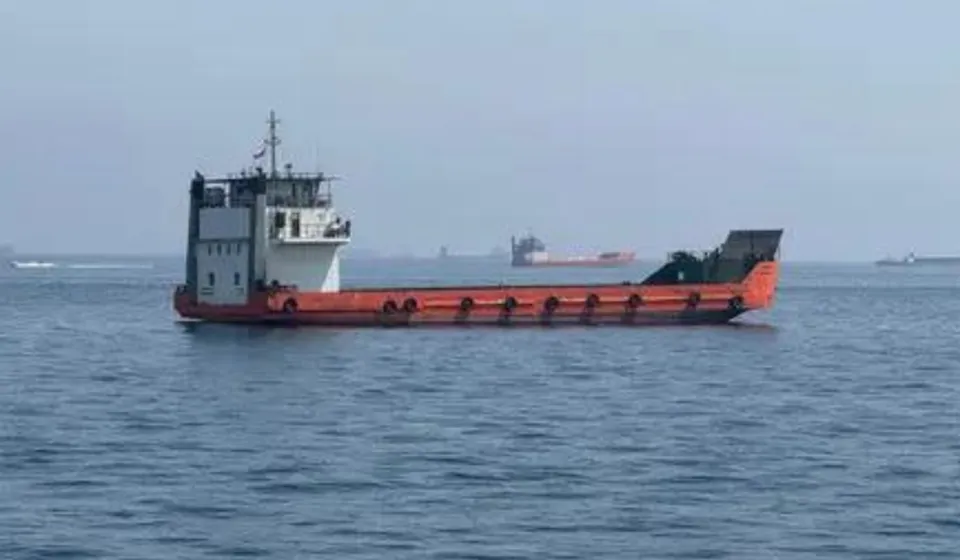
US Crude Oil Embarks on Historic Journey to Israel After Three-Year Hiatus Amidst Regional Tensions

A Significant Shift in Energy Supply
In a notable development for global energy markets and regional geopolitics, a cargo of US crude oil is currently en route to Israel, marking the first such direct shipment in nearly three years. The Aframax tanker, named Captain John, departed from Texas on Thursday, carrying approximately 550,000 barrels of West Texas Intermediate (WTI) crude. This significant transaction, facilitated by the global trading powerhouse Vitol, underscores evolving energy strategies and comes at a time of heightened volatility and disruptions in critical shipping lanes, particularly around the Strait of Hormuz and the Red Sea.
The resumption of US crude exports to Israel after such a prolonged interval highlights several converging factors: the United States’ continued ascent as a major global energy exporter, Israel’s ongoing quest for diversified and secure energy sources, and the complex geopolitical landscape that increasingly influences international trade routes.
The US as a Global Energy Powerhouse
Over the past decade, the United States has undergone a remarkable transformation in its energy sector, shifting from a net importer to a significant exporter of crude oil and refined products. This seismic shift, largely driven by the shale revolution and advancements in hydraulic fracturing and horizontal drilling technologies, has fundamentally reshaped global energy dynamics. The lifting of the decades-old ban on crude oil exports in 2015 further cemented the US’s role as a key supplier to international markets.
US crude, particularly light sweet varieties like WTI, has found increasing demand worldwide due to its quality and the flexibility of US export infrastructure. For importing nations, diversifying away from traditional Middle Eastern or Russian supplies has become a strategic imperative, driven by both economic considerations and geopolitical stability concerns.
Israel’s Energy Landscape and Import Needs
Israel, while making strides in developing its domestic natural gas resources in the Eastern Mediterranean, remains a significant importer of crude oil to meet its refinery needs for gasoline, diesel, and other petroleum products. Its geographical location in a volatile region necessitates a robust and resilient energy supply chain. Historically, Israel has sourced crude from various international markets, adapting to market conditions and geopolitical realities.
The decision to import US crude, especially after a substantial pause, could signal a strategic move to further broaden its supplier base and potentially reduce reliance on specific regions. This diversification is crucial for ensuring energy security, particularly when traditional routes face increased risks.
Navigating Turbulent Waters: The Geopolitical Context
The timing of this shipment is particularly salient, coinciding with ongoing disruptions in key maritime passages. The Strait of Hormuz, a narrow chokepoint at the mouth of the Persian Gulf, is a vital artery for a substantial portion of the world’s oil supply. Tensions in this region have frequently led to concerns about supply interruptions and spikes in oil prices.
More recently, the Red Sea, another critical shipping lane connecting the Suez Canal to the Indian Ocean, has experienced significant security challenges, leading many shipping companies to reroute vessels around the Cape of Good Hope. While a shipment from Texas to Israel typically traverses the Atlantic and Mediterranean, the broader climate of maritime insecurity underscores the importance of flexible supply chains and diversified sourcing options.
Factors Influencing the Shipment:
- Supply Diversification: Israel’s strategic aim to secure energy from a wider range of international partners.
- Market Dynamics: Competitive pricing and availability of US WTI crude in global markets.
- Geopolitical Stability: The desire to mitigate risks associated with reliance on potentially unstable regions or conflict-prone shipping routes.
- Strong Bilateral Ties: The enduring strategic and economic relationship between the United States and Israel.
The Role of Global Trading Houses
Global trading houses like Vitol play an indispensable role in facilitating complex international energy transactions. With extensive logistical networks, market intelligence, and risk management capabilities, they are adept at connecting producers with consumers across continents. Vitol’s chartering of the Captain John for this specific voyage highlights the intricate orchestration required to execute such a large-scale crude oil movement, ensuring efficient and timely delivery.
Economic and Strategic Implications
This crude oil delivery carries both economic and strategic significance. Economically, it represents a direct trade flow that supports the energy needs of Israel’s economy. Strategically, it reinforces the energy partnership between the US and Israel, potentially offering Israel greater leverage and flexibility in its energy procurement policies. For the US, it further solidifies its position as a reliable energy partner to allies worldwide.
The decision to utilize an Aframax tanker, capable of carrying approximately 700,000 barrels, for this 550,000-barrel shipment is standard practice, allowing for efficient transport of medium-sized cargoes over long distances. The journey from the US Gulf Coast to the Mediterranean typically takes several weeks, during which the cargo will be subject to global market fluctuations and logistical considerations.
Conclusion
The departure of the Captain John from Texas with US crude bound for Israel marks more than just a commercial transaction; it signifies a recalibration of energy supply strategies in a world grappling with geopolitical uncertainties and evolving market dynamics. After a nearly three-year pause, this shipment underscores Israel’s commitment to energy security through diversification and highlights the United States’ pivotal role as a global energy supplier. As the vessel makes its journey, it carries not only crude oil but also the implications of a changing global energy landscape, where resilience and strategic partnerships are increasingly paramount.