India’s ‘Samudra Manthan’ Initiative: A Deep Dive into Energy Security and Offshore Exploration

Charting a New Course for Energy Independence
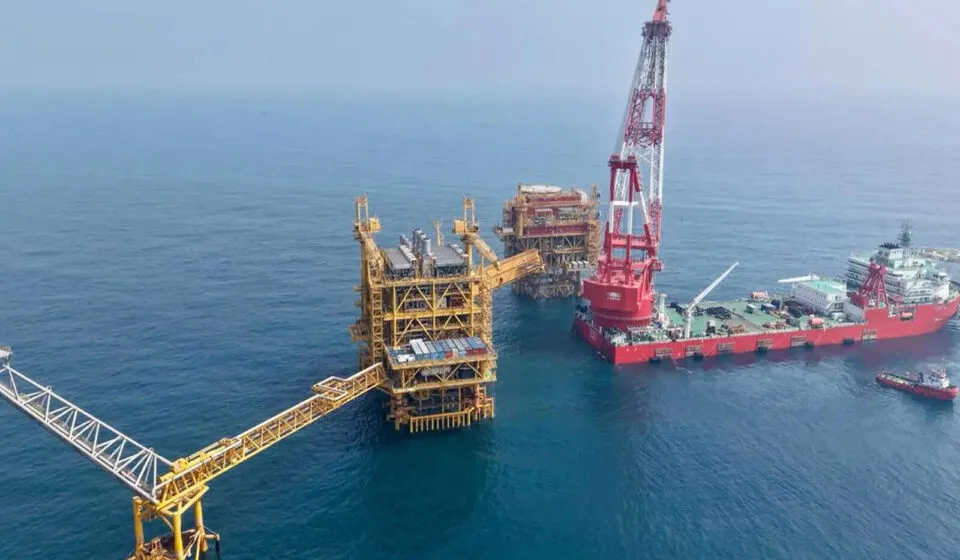
India, a rapidly developing nation with an insatiable appetite for energy, has embarked on a strategic initiative named ‘Samudra Manthan’ (meaning ‘Churning of the Ocean’) to significantly bolster its domestic hydrocarbon production. This ambitious program, spearheaded by the central government, aims to reduce the nation’s substantial reliance on imported oil and gas by incentivizing deepwater exploration. With a commitment to finance half the cost of deepwater oil and gas exploration wells, India is making a bold bet on its offshore reserves to secure a more self-reliant energy future.
The move comes at a critical juncture, as global energy markets remain volatile and geopolitical tensions underscore the strategic imperative of energy security. India, currently one of the world’s largest energy consumers, imports over 80% of its crude oil requirements and a significant portion of its natural gas. This heavy dependence not only strains the national exchequer but also exposes the economy to the vagaries of international price fluctuations and supply chain disruptions. The ‘Samudra Manthan’ initiative represents a concerted effort to mitigate these vulnerabilities and unlock the vast, yet largely untapped, potential of India’s deep-sea basins.
The Core Mechanics of ‘Samudra Manthan’
At the heart of the ‘Samudra Manthan’ scheme lies a powerful financial incentive designed to de-risk exploration activities in challenging deepwater environments. The government’s decision to bear 50% of the expenditure for deepwater exploration wells is a game-changer for energy companies. Deepwater drilling is notoriously expensive, technically complex, and carries a high risk of failure. By absorbing a significant portion of these upfront costs, the government aims to encourage both public and private sector players to venture into previously neglected or economically unviable offshore blocks.
Over the next five years, the initiative targets the drilling of an ambitious 60 exploration wells. This aggressive timeline underscores the urgency with which India is pursuing its energy independence goals. These wells are specifically aimed at probing deepwater and ultra-deepwater regions, which are geologically complex but hold the promise of substantial hydrocarbon reserves. Historically, the prohibitive costs and technological demands of operating in these areas have deterred extensive exploration, leaving much of India’s deep-sea potential unexplored.
Incentivizing Innovation and Investment
The financial support offered through ‘Samudra Manthan’ is expected to act as a catalyst for increased investment in India’s upstream sector. By lowering the entry barrier and sharing the financial burden, the government hopes to attract advanced technologies and expertise from global energy majors, alongside encouraging greater participation from domestic firms. This collaborative approach is crucial for mastering the intricate science and engineering required for successful deepwater exploration and production.
Furthermore, the scheme is structured to foster a more predictable and attractive investment climate. The long-term commitment to support 60 wells over five years provides a clear roadmap for companies, enabling them to plan their capital expenditures and resource allocation more effectively. This stability is vital for projects that typically have long gestation periods, often spanning several years from initial exploration to first oil or gas production.
Leveraging Shared Infrastructure for Cost Efficiency
A key innovative aspect of the ‘Samudra Manthan’ initiative is its emphasis on shared infrastructure. Recognizing that the development of new deepwater discoveries can be incredibly capital-intensive, the scheme promotes the creation of common facilities such as pipelines, processing terminals, and supply bases. This collaborative approach is designed to:
- Reduce Individual Company Costs: Instead of each company building its own infrastructure for every new find, sharing facilities dramatically lowers the capital outlay for all participants.
- Accelerate Development: With existing infrastructure, new discoveries can be brought online more quickly, shortening the time from exploration to production.
- Enhance Operational Efficiency: Centralized facilities can often be operated more efficiently, leading to lower operating expenses over the lifespan of the fields.
- Promote Regional Development: Shared infrastructure can create regional hubs for offshore energy activities, fostering job creation and economic growth in coastal areas.
This strategy is particularly pertinent for deepwater blocks, where the cost of developing standalone infrastructure can render smaller discoveries uneconomical. By sharing resources, even marginal fields can become viable, maximizing the recovery of India’s hydrocarbon wealth.
Broader Implications for India’s Energy Future
The ‘Samudra Manthan’ initiative extends beyond merely finding new oil and gas reserves; it is a critical component of India’s broader energy strategy. Success in deepwater exploration would have profound economic and geopolitical implications:
- Reduced Import Bill: A significant increase in domestic production would directly translate to a lower import bill, saving valuable foreign exchange and strengthening the rupee.
- Enhanced Energy Security: Greater self-sufficiency in energy supplies would insulate India from external shocks, price volatility, and geopolitical pressures.
- Economic Growth and Job Creation: The upstream sector is a major employer, and increased exploration and production activities would generate jobs across the value chain, from highly skilled engineers to support staff.
- Technological Advancement: The push into deepwater exploration will drive innovation and technological adoption within India, fostering a skilled workforce and contributing to the nation’s scientific capabilities.
- Alignment with ‘Atmanirbhar Bharat’: The initiative aligns perfectly with the government’s vision of ‘Atmanirbhar Bharat’ (Self-Reliant India), demonstrating a commitment to indigenous capabilities and reducing dependence on foreign sources in critical sectors.
While the focus remains on conventional hydrocarbons, this initiative is not necessarily at odds with India’s long-term renewable energy goals. Rather, it represents a pragmatic approach to managing the energy transition. Hydrocarbons will continue to play a crucial role in India’s energy mix for decades to come, especially in industrial processes, transportation, and as a backup for intermittent renewable sources. Diversifying domestic supply sources ensures a stable and affordable energy foundation as the country simultaneously invests heavily in solar, wind, and other green technologies.
Challenges and the Road Ahead
Despite the strong governmental backing, the ‘Samudra Manthan’ initiative is not without its challenges. Deepwater exploration is inherently risky, with no guarantee of success. Geological complexities, high pressures, extreme temperatures, and the sheer depth of operations pose significant technical hurdles. Environmental concerns related to offshore drilling also necessitate stringent regulatory oversight and adherence to best practices to prevent ecological damage.
Moreover, the long lead times associated with deepwater projects mean that the benefits of this initiative will only materialize over several years, if not a decade. Sustained political will, consistent policy frameworks, and continuous technological upgrades will be essential for the program’s long-term success. The global energy landscape is constantly evolving, and India’s strategy must remain agile and adaptive.
Conclusion
India’s ‘Samudra Manthan’ is a bold and strategic maneuver to unlock its deep-sea hydrocarbon potential and forge a path towards greater energy self-reliance. By de-risking exploration through significant financial incentives and promoting shared infrastructure, the government is creating an environment conducive to substantial investment and technological advancement in its upstream sector. This initiative is a testament to India’s commitment to securing its energy future, balancing the immediate needs of a growing economy with the long-term vision of a diversified and robust energy mix. The success of ‘Samudra Manthan’ will not only reduce India’s import dependence but also strengthen its economic resilience and strategic autonomy on the global stage, truly churning the oceans for a more prosperous future.