
Introduction: A Call for Educational Transformation
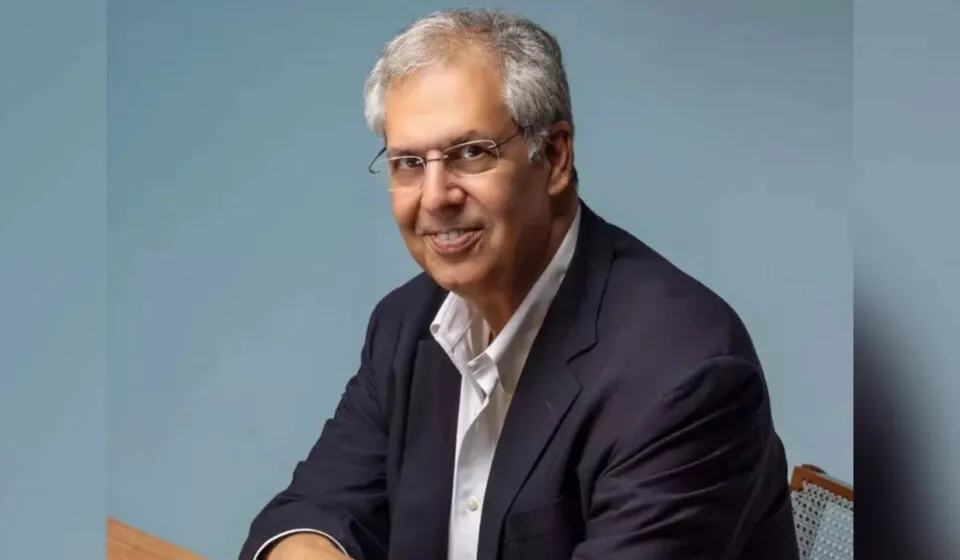
In a pronouncement that echoes through the corridors of India’s economic and educational discourse, industry veteran Noel Tata has put forth a compelling argument for a fundamental shift in the nation’s approach to education. His assertion—that the sector requires ‘more capital, fewer curbs’—underscores a widespread belief among business leaders and policymakers that the current framework may be inadvertently hindering the potential of one of the country’s most vital growth engines. This perspective highlights the dual challenges of inadequate investment and burdensome regulation that often plague the journey toward educational excellence and global competitiveness. Tata’s statement, while succinct, opens a broader dialogue on how India can harness its demographic dividend and equip its vast youth population with the skills necessary for a rapidly evolving global economy.
The education sector, often seen as the bedrock of national development, faces a complex interplay of demands. From providing foundational literacy to fostering advanced research capabilities, its scope is immense. However, achieving these ambitious goals necessitates not only substantial financial injection but also an environment conducive to innovation, expansion, and quality enhancement. Tata’s advocacy thus serves as a critical reminder that a holistic overhaul, addressing both resource allocation and policy impediments, is essential for India to truly unlock its human capital potential.
The Current Landscape: Challenges and Opportunities
India’s education system is one of the largest in the world, catering to millions of students across various levels, from primary schooling to higher education and vocational training. While significant strides have been made in terms of access and enrollment, persistent challenges remain. These include disparities in quality between urban and rural institutions, a curriculum that sometimes struggles to keep pace with industry demands, and a shortage of highly skilled faculty.
The burgeoning youth population presents both an opportunity and a challenge. With a substantial portion of its population under 25, India has the potential to become a global talent hub. However, this demographic dividend can only be realized if the education system is robust enough to provide relevant, high-quality learning experiences that translate into employable skills and foster innovation. Currently, many graduates face challenges in securing jobs that match their qualifications, pointing to a disconnect between academic output and market needs.
Furthermore, the rapid pace of technological advancement, including artificial intelligence, automation, and digital transformation, demands an agile and forward-looking educational framework. Institutions must be equipped to integrate cutting-edge technologies into their pedagogy and research, preparing students not just for today’s jobs but for the careers of tomorrow.
The Imperative for Increased Capital Investment
The call for ‘more capital’ in education is multifaceted, extending beyond mere financial allocations. It encompasses investment in:
- Infrastructure Development: Many educational institutions, particularly in public sectors and remote areas, suffer from inadequate infrastructure, including outdated classrooms, insufficient laboratory facilities, and limited access to digital resources. Significant capital is needed to build modern learning environments, integrate smart classrooms, and provide essential amenities.
- Technology Integration: The digital divide remains a significant barrier. Investment in digital learning platforms, high-speed internet connectivity, advanced computing resources, and specialized software is crucial to modernize teaching methods and broaden access to educational content.
- Faculty Development and Research: Attracting and retaining top-tier educators and researchers requires competitive salaries, professional development opportunities, and funding for research projects. Capital infusion can bolster research ecosystems, fostering innovation and knowledge creation.
- Skill Development and Vocational Training: Bridging the skill gap requires substantial investment in vocational and technical training programs that are aligned with industry requirements. This includes establishing state-of-the-art training centers, developing industry-relevant curricula, and facilitating apprenticeships.
- Scholarships and Financial Aid: To ensure equitable access, more capital is needed for scholarships and financial aid programs, enabling meritorious students from disadvantaged backgrounds to pursue higher education without financial constraints.
- International Collaborations: Funding support for partnerships with leading global universities can facilitate student and faculty exchange programs, joint research initiatives, and the adoption of best practices.
Private sector participation, alongside government funding, is pivotal in meeting these capital demands. Encouraging private investment through attractive policies, tax incentives, and public-private partnership models can significantly augment the resources available to the education sector.
Untangling the Regulatory Web: ‘Fewer Curbs’ for Growth
Noel Tata’s emphasis on ‘fewer curbs’ addresses the often-cited issue of excessive regulation and bureaucratic hurdles that can stifle innovation and deter investment in education. The regulatory environment in India, while intended to ensure quality and prevent exploitation, can sometimes become an impediment to progress.
Key areas where deregulation could foster growth include:
- Accreditation and Affiliation Processes: Streamlining and simplifying the processes for new institutions to gain accreditation and affiliation can reduce delays and encourage the establishment of more quality educational providers.
- Curriculum Flexibility: Rigid curriculum frameworks can limit an institution’s ability to adapt to new knowledge and industry needs. Greater autonomy in curriculum design, while maintaining quality benchmarks, can foster innovation and relevance.
- Fee Regulation: While fee caps aim to make education affordable, overly restrictive regulations can deter private investment by limiting revenue streams necessary for infrastructure upgrades, faculty salaries, and advanced programs. A balanced approach that ensures affordability while allowing for quality-driven investment is crucial.
- Land Acquisition and Infrastructure Norms: Strict land use regulations and complex approval processes for building educational infrastructure can delay projects and increase costs, particularly for private players looking to expand.
- Foreign Collaboration and Investment: Easing restrictions on foreign universities establishing campuses or collaborating with Indian institutions can bring in global best practices, advanced research methodologies, and international exposure for students.
- Operational Autonomy: Granting greater operational autonomy to well-performing institutions, allowing them to innovate in teaching, research, and administration, can enhance efficiency and responsiveness.
The goal of deregulation is not to compromise on quality or accountability but to create an agile and responsive framework that encourages responsible growth and innovation. A trust-based regulatory system, focused on outcomes rather than prescriptive processes, could be transformative.
Potential Impact of Reforms: A Vision for the Future
The synergy of increased capital and reduced regulatory hurdles holds the potential to profoundly reshape India’s education landscape. The impacts could be far-reaching:
- Enhanced Quality and Global Competitiveness: With better resources and greater flexibility, institutions can attract world-class faculty, invest in cutting-edge research, and adopt innovative pedagogies, leading to a significant improvement in educational quality and global rankings.
- Improved Employability: A more responsive curriculum, coupled with robust skill development programs, can better align educational outcomes with industry demands, thereby boosting the employability of graduates and reducing the skill gap.
- Increased Access and Equity: Capital infusion can support the expansion of educational facilities into underserved areas and provide financial aid to deserving students, ensuring that quality education is accessible to a broader segment of the population.
- Innovation and Entrepreneurship: A liberalized environment can foster a culture of innovation within educational institutions, encouraging research, product development, and the nurturing of entrepreneurial talent.
- Economic Growth: A highly educated and skilled workforce is a cornerstone of economic growth. By producing a talent pool ready for the demands of the 21st century, the education sector can become a powerful catalyst for national development.
Ultimately, these reforms aim to transform India into a knowledge economy, capable of competing on the global stage and leveraging its human potential to drive sustainable growth and prosperity.
Stakeholder Perspectives: A Shared Responsibility
Achieving this vision requires a concerted effort from multiple stakeholders. The government plays a crucial role in setting the policy agenda, allocating public funds, and creating an enabling regulatory framework. The private sector, including philanthropists and corporations, can provide critical capital, introduce efficiency, and foster innovation. Educators and academic leaders must drive curriculum reform and adopt modern teaching methodologies. Students, as the ultimate beneficiaries, must be empowered with choices and opportunities.
Dialogue and collaboration between these groups are essential to identify priorities, overcome challenges, and implement reforms effectively. The success of any educational transformation hinges on a shared understanding of goals and a collective commitment to their achievement.
Conclusion: Paving the Way for a Brighter Future
Noel Tata’s call for ‘more capital, fewer curbs’ serves as a strategic imperative for India’s education sector. It encapsulates the core challenges and opportunities that lie ahead. By addressing both the financial requirements and the policy impediments, India can cultivate an education system that is not only robust and equitable but also dynamic and globally competitive. The path to realizing India’s full potential as a knowledge superpower and a hub for innovation begins with a renewed commitment to empowering its educational institutions with the resources and freedom they need to thrive. The time for comprehensive reform is now, to ensure that the demographic dividend translates into a sustained era of progress and prosperity for all.