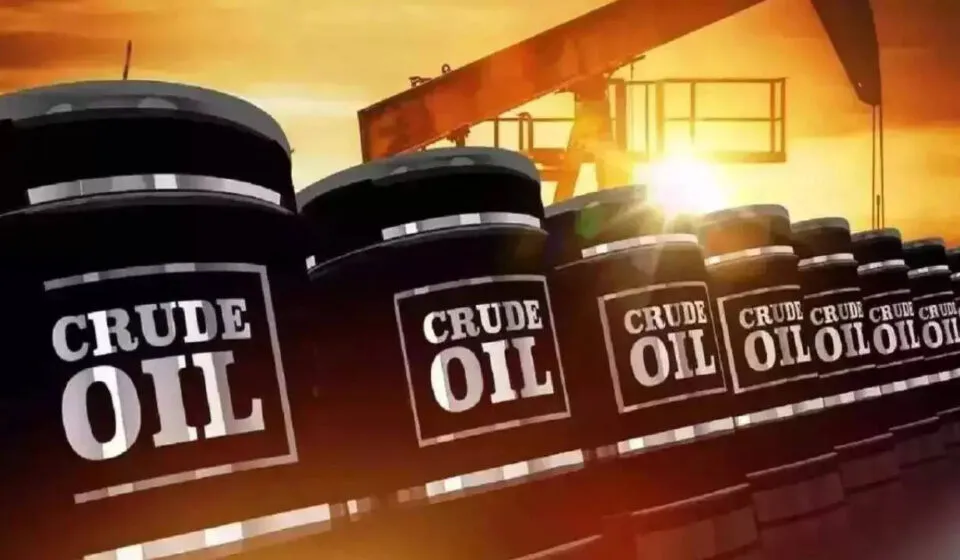

Global Oil Prices Plummet Amidst Diplomatic Overtures
Global crude oil benchmarks experienced a dramatic downturn, with prices tumbling over 6% following renewed speculation of potential diplomatic talks between the United States and Iran. This significant market reaction underscores the profound impact of geopolitical developments, particularly in the volatile Middle East, on the stability and pricing of the world’s most critical energy resource. The prospect of de-escalation, even if nascent, immediately eased the geopolitical risk premium that had been baked into oil prices for weeks.
Brent crude futures, the international benchmark, saw a sharp decline almost immediately after an announcement from President Donald Trump hinted at the possibility of discussions with Iranian officials. This development marks a stark contrast to the preceding period, where escalating tensions had fueled a substantial rally in oil prices, pushing them to multi-month highs.
The Preceding Storm: Heightened Tensions and Market Volatility
The recent surge in oil prices was not without cause. The Middle East, a region central to global energy supply, has been embroiled in a series of escalating confrontations that directly threatened vital shipping lanes and oil infrastructure. Over the past months, the international community witnessed a series of incidents that ratcheted up tensions:
- Tanker Attacks: Multiple incidents involving commercial oil tankers in the Gulf of Oman and near the Strait of Hormuz raised alarms about the security of maritime transit. These attacks led to accusations and counter-accusations, primarily between the United States and Iran, creating an environment of significant uncertainty for crude shipments.
- Drone and Missile Strikes: Attacks on key oil processing facilities, though not explicitly detailed in the initial reports driving this specific market reaction, contributed to the broader narrative of vulnerability. Such events highlighted the fragility of supply chains and the potential for widespread disruption.
- Strait of Hormuz Concerns: The Strait of Hormuz, a narrow waterway connecting the Persian Gulf to the open ocean, is a critical chokepoint through which approximately one-fifth of the world’s total petroleum consumption passes daily. Threats to its safe passage, real or perceived, inevitably send ripples through global oil markets, increasing insurance costs and fostering fears of supply shortages.
These events were set against a backdrop of deeply strained relations between Washington and Tehran, largely stemming from the U.S. withdrawal from the 2015 Iran nuclear deal (Joint Comprehensive Plan of Action, or JCPOA) and the subsequent re-imposition of crippling sanctions on Iran’s oil exports and financial sector. Iran, in response, had gradually reduced its commitments under the nuclear deal and engaged in actions perceived by the U.S. and its allies as destabilizing.
A Glimmer of Diplomacy: Trump’s Overture
The dramatic shift in oil prices was directly attributable to comments from President Trump, who suggested a willingness to engage in direct talks with Iran. While the specifics of any potential meeting or the agenda for such discussions remained vague, the mere mention of diplomacy was enough to significantly alter market sentiment. Investors and traders, who had been pricing in a higher risk of military confrontation or further supply disruptions, quickly adjusted their positions, leading to a rapid sell-off in crude futures.
The market’s immediate response reflects its inherent sensitivity to geopolitical rhetoric. In an environment where supply fundamentals are relatively stable, or even pointing towards oversupply in some areas, the