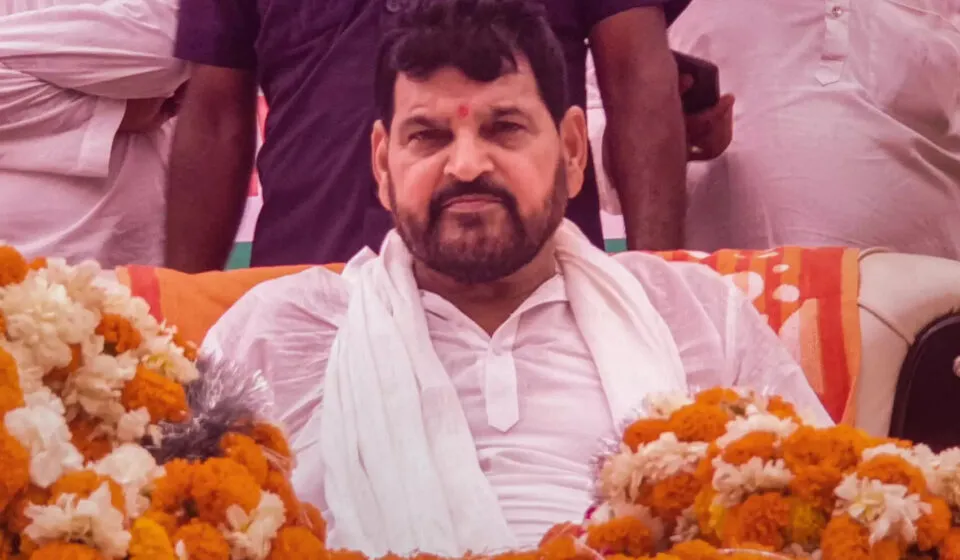
Brij Bhushan Sharan Singh Acquitted: Delhi Court Clears Former WFI Chief in Wrestlers’ Sexual Harassment Case

Former WFI Chief Brij Bhushan Sharan Singh Acquitted in Landmark Sexual Harassment Case
A Delhi court has acquitted Brij Bhushan Sharan Singh, the former president of the Wrestling Federation of India (WFI), and its former assistant secretary Vinod Tomar, in the high-profile sexual harassment case that had gripped national attention. This verdict marks a significant conclusion to a legal battle stemming from serious allegations made by several prominent women wrestlers, which had previously ignited widespread protests and brought Indian sports administration under intense scrutiny.
The decision by the Delhi court effectively clears both individuals of the charges brought against them, closing a chapter that has seen months of legal proceedings, public demonstrations, and a broad societal discussion about athlete safety and accountability within sports bodies. The outcome is expected to elicit varied reactions across the sporting fraternity and the wider public, given the emotive nature and high visibility of the case.
Background to the Allegations and Protests
The controversy first erupted in January 2023 when several of India’s top women wrestlers, including Olympic medalists and World Championship medalists, publicly accused Brij Bhushan Sharan Singh of sexual harassment and intimidation. These allegations, which reportedly spanned several years, detailed instances of inappropriate touching, molestation, and psychological harassment during national and international wrestling events.
Singh, a powerful figure with a long political career and multiple terms as a Member of Parliament, had been at the helm of the WFI for over a decade. His position and influence were often cited by the protesting wrestlers as a major obstacle to getting their complaints addressed internally.
The Wrestlers’ Movement: A National Outcry
The initial complaints by the wrestlers were met with what they perceived as inaction, leading them to launch a public protest at Jantar Mantar in Delhi. This protest quickly escalated, drawing national and international media attention. Prominent wrestlers like Vinesh Phogat, Sakshi Malik, and Bajrang Punia became the faces of the movement, demanding Singh’s arrest and removal from his WFI post. Their relentless advocacy highlighted:
- The alleged systemic issues within Indian sports federations regarding athlete welfare.
- The challenges faced by women athletes in reporting harassment.
- The need for independent and robust grievance redressal mechanisms.
The protests garnered significant public support, with various civil society groups, political parties, and fellow athletes joining the call for justice. The government, initially hesitant, eventually intervened, forming an oversight committee to investigate the allegations. However, the wrestlers expressed dissatisfaction with the pace and perceived impartiality of these initial efforts, intensifying their demonstrations.
The Legal Process and Charges Filed
Following sustained pressure, including a Supreme Court directive, the Delhi Police registered two First Information Reports (FIRs) against Brij Bhushan Sharan Singh in April 2023. One FIR was filed under the Protection of Children from Sexual Offences (POCSO) Act, based on the complaint of a minor wrestler, while the second FIR included charges under various sections of the Indian Penal Code (IPC) related to sexual harassment, outraging modesty, and criminal intimidation. Vinod Tomar was also implicated in connection with the charges.
The police investigation involved collecting evidence, recording statements from the complainants, witnesses, and the accused. Subsequently, a charge sheet was filed in court, detailing the accusations and the evidence gathered. The legal proceedings then moved to the judicial phase, where both sides presented their arguments and evidence before the court.
The Court’s Verdict: Acquittal
The Delhi court, after hearing the arguments and examining the evidence presented by both the prosecution and the defense, delivered its verdict, acquitting both Brij Bhushan Sharan Singh and Vinod Tomar. An acquittal signifies that the court found the prosecution unable to prove the charges against the accused beyond a reasonable doubt. It does not necessarily mean that the alleged incidents did not occur, but rather that the legal standard for conviction was not met based on the evidence presented in court.
While the specific reasons cited by the court for the acquittal have not been immediately detailed in the public domain, such decisions typically hinge on factors such as:
- Sufficiency and credibility of evidence.
- Consistency of witness testimonies.
- Adherence to legal procedures during investigation.
This outcome underscores the complexities of legal battles involving sensitive allegations and the stringent requirements for proving guilt in a court of law.
Implications and Future Outlook
The acquittal of Brij Bhushan Sharan Singh and Vinod Tomar carries significant implications for various stakeholders:
- For the Accused: The verdict provides legal exoneration, potentially allowing Singh to resume his political and administrative activities without the shadow of these particular charges.
- For the Complainant Wrestlers: This outcome will undoubtedly be a setback for the women wrestlers who bravely came forward with their allegations. It raises questions about avenues for justice and redressal for athletes in similar situations.
- For Indian Sports Governance: The case had already prompted calls for greater transparency, accountability, and better mechanisms for addressing grievances within sports federations. While this specific legal battle concludes, the broader discussion about athlete safety and governance reforms is likely to continue.
- For the #MeToo Movement: The case was seen by many as a litmus test for the #MeToo movement’s impact in Indian sports. The acquittal may spark further debate on the challenges of prosecuting sexual harassment cases, particularly when power dynamics are involved.
It remains to be seen whether the complainants or the state will pursue an appeal against the Delhi court’s decision in a higher court. Regardless of future legal actions, the case has left an indelible mark on Indian sports, forcing a national conversation about the treatment and protection of athletes.
Conclusion
The Delhi court’s acquittal of Brij Bhushan Sharan Singh and Vinod Tomar in the sexual harassment case brings a formal end to a highly publicized and emotionally charged legal proceeding. While the verdict offers legal closure for the accused, it simultaneously reignites critical discussions about justice, accountability, and the safety of athletes, particularly women, within the hierarchical structures of Indian sports. The journey from public protests to a court’s final decision highlights the multifaceted challenges inherent in addressing such sensitive allegations in the public and legal spheres.