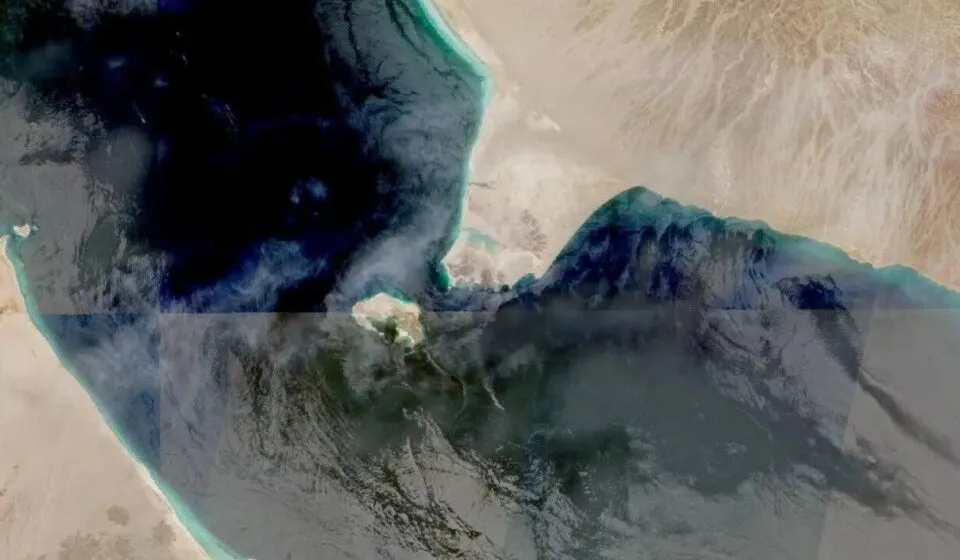

Introduction: Yanbu’s Unwavering Role in Global Energy
In the intricate tapestry of global energy geopolitics, certain nodes emerge as indispensable. Saudi Arabia’s Yanbu port, nestled on the Red Sea coast, has solidified its position as one such critical nexus. Far from being a mere transit point, Yanbu has evolved into a strategic linchpin, ensuring the uninterrupted flow of millions of barrels of crude oil daily, even as regional tensions escalate and maritime security concerns cast a long shadow over vital shipping lanes.
This article delves into the multifaceted importance of Yanbu, exploring its historical ascent as an alternative export gateway, the engineering marvels that support its operations, and the complex geopolitical landscape—marked by Houthi threats and the enigmatic practice of oil tankers ‘going dark’—that define its contemporary significance.
The Strategic Ascent of Yanbu: A Response to Geopolitical Volatility
Yanbu’s prominence is not accidental; it is a direct consequence of strategic foresight and a pragmatic response to persistent vulnerabilities in the global oil supply chain. For decades, the Strait of Hormuz, a narrow choke point between the Persian Gulf and the Gulf of Oman, has been the primary artery for a significant portion of the world’s oil exports. However, its geographical confines and proximity to geopolitical flashpoints, particularly Iran, have consistently presented a considerable risk.
The specter of disruption, evident during past conflicts and periods of heightened tension in the Persian Gulf, underscored the urgent need for alternative export routes. Saudi Arabia, the world’s largest oil exporter, recognized this imperative early on. The Iran-Iraq War in the 1980s, which severely impacted shipping through the Strait of Hormuz, served as a stark reminder of the kingdom’s reliance on this single, vulnerable pathway.
In response, Saudi Arabia invested heavily in infrastructure designed to bypass the Strait of Hormuz. The most significant of these projects is the East-West Pipeline, also known as the Petroline. This colossal engineering feat stretches approximately 1,200 kilometers (745 miles) across the Arabian Peninsula, connecting the oil-rich Eastern Province fields directly to the Red Sea port of Yanbu. With a capacity to transport millions of barrels of crude oil per day, the Petroline transformed Yanbu from a regional port into a globally significant energy hub. This strategic pivot provides Saudi Arabia with a crucial redundancy, allowing it to maintain crude exports even if the Strait of Hormuz becomes impassable or too risky for transit.
Navigating the Storm: Houthi Threats and Red Sea Security
While Yanbu offers an alternative to the Persian Gulf, it is not immune to regional instability. The Red Sea, a narrow waterway connecting the Indian Ocean to the Mediterranean via the Suez Canal, has become a hotbed of geopolitical tension, primarily due to the ongoing conflict in Yemen. The Houthi rebels, an Iran-backed group, have repeatedly demonstrated their capability and willingness to target commercial shipping in the Red Sea and the Bab el-Mandeb Strait, its southern choke point.
These threats manifest in various forms:
- Missile and Drone Attacks: The Houthis have launched missiles and drones at oil tankers and other commercial vessels, often claiming to target ships linked to Saudi Arabia or its allies.
- Naval Mines: Instances of naval mines being deployed in international shipping lanes have been reported, posing a significant hazard to navigation.
- Boarding Attempts: There have been documented cases of attempted boardings or actual seizures of vessels, particularly in the southern Red Sea.
The impact of these threats is profound. They elevate insurance premiums for vessels transiting the Red Sea, increase operational costs, and, most critically, introduce an element of unpredictable danger for seafarers and cargo. Despite these grave risks, Yanbu continues to operate at a brisk pace, processing vast quantities of crude oil destined for international markets. This sustained activity underscores not only the port’s operational resilience but also the global demand for Saudi crude, which compels tankers to navigate these perilous waters.
The Enigma of ‘Dark’ Tankers and Maritime Transparency
Amidst the heightened security concerns, a peculiar and increasingly common phenomenon has emerged: oil tankers ‘going dark.’ This refers to vessels intentionally switching off their Automatic Identification System (AIS) transponders. AIS is a crucial maritime safety system that broadcasts a ship’s position, course, speed, and other identifying information, allowing other vessels and authorities to track its movements and prevent collisions.
The reasons for tankers disabling their AIS transponders are multifaceted and often illicit:
- Evading Sanctions: Some vessels ‘go dark’ to conceal their involvement in transporting sanctioned oil, particularly from countries like Iran or Venezuela, making it difficult for authorities to track and enforce sanctions.
- Security Concerns: In high-risk areas like the Red Sea, some operators might disable AIS to avoid detection by hostile actors, hoping to reduce their vulnerability to attack. However, this practice also makes them invisible to friendly forces and legitimate maritime surveillance.
- Smuggling and Illegal Activities: ‘Going dark’ can facilitate smuggling operations, illicit ship-to-ship transfers, or other forms of illegal maritime trade by obscuring the origin, destination, or ownership of cargo.
While the primary drivers for ‘going dark’ in the context of Yanbu’s operations might lean towards security concerns or, potentially, the discreet movement of certain cargoes, the practice significantly erodes maritime transparency. It complicates efforts to ensure safe navigation, monitor environmental compliance, and enforce international law. For global energy markets, it introduces an element of uncertainty regarding actual supply volumes and transit patterns, making market analysis more challenging.
Economic Implications and Global Oil Supply Stability
Yanbu’s continued robust operations are not just a testament to Saudi Arabia’s strategic planning but also a vital component of global energy security. The ability to consistently export millions of barrels of oil daily through the Red Sea, even under duress, helps to stabilize international oil markets.
Key economic implications include:
- Supply Chain Resilience: Yanbu provides a critical alternative route, reducing the world’s dependence on the Strait of Hormuz and mitigating the risk of a catastrophic supply disruption.
- Market Stability: The steady flow of Saudi crude helps to temper price volatility, which can have ripple effects across global economies.
- Saudi Arabia’s Economic Strength: The port’s efficiency and security are paramount to Saudi Arabia’s economic well-being, as oil revenues remain a cornerstone of its national budget and Vision 2030 diversification efforts.
The kingdom’s investment in Yanbu and the East-West Pipeline demonstrates a long-term commitment to ensuring reliable energy supplies to its customers worldwide, irrespective of regional political turbulence.
Future Outlook and Regional Stability
The future of Yanbu’s role will undoubtedly remain intertwined with the broader geopolitical dynamics of the Middle East and the Red Sea region. While diplomatic efforts are underway to de-escalate tensions in Yemen and foster regional dialogue, the underlying causes of instability are complex and deeply entrenched.
Continued vigilance and investment in maritime security measures will be essential. This includes international cooperation to patrol critical waterways, intelligence sharing to preempt threats, and technological advancements to enhance monitoring capabilities—especially in the face of ‘dark’ shipping practices.
For Saudi Arabia, Yanbu represents more than just an oil terminal; it is a symbol of strategic autonomy and resilience. Its ability to thrive amidst threats underscores the kingdom’s determination to safeguard its economic interests and fulfill its role as a responsible global energy provider.
Conclusion: Yanbu, A Beacon of Resilience
Yanbu port stands as a powerful testament to strategic planning and operational resilience in the face of profound geopolitical challenges. By providing a vital alternative to the Strait of Hormuz, it has become an indispensable lifeline for Saudi Arabia’s crude oil exports, ensuring that millions of barrels continue to reach global markets daily. Despite the persistent Houthi threats in the Red Sea and the complex implications of tankers ‘going dark,’ Yanbu’s bustling activity highlights its unwavering strategic importance. As regional tensions continue to simmer, the port’s role in maintaining global energy stability will only grow, solidifying its status as a critical node in the world’s energy infrastructure.