
Introduction: A New Era Driven by AI Chips
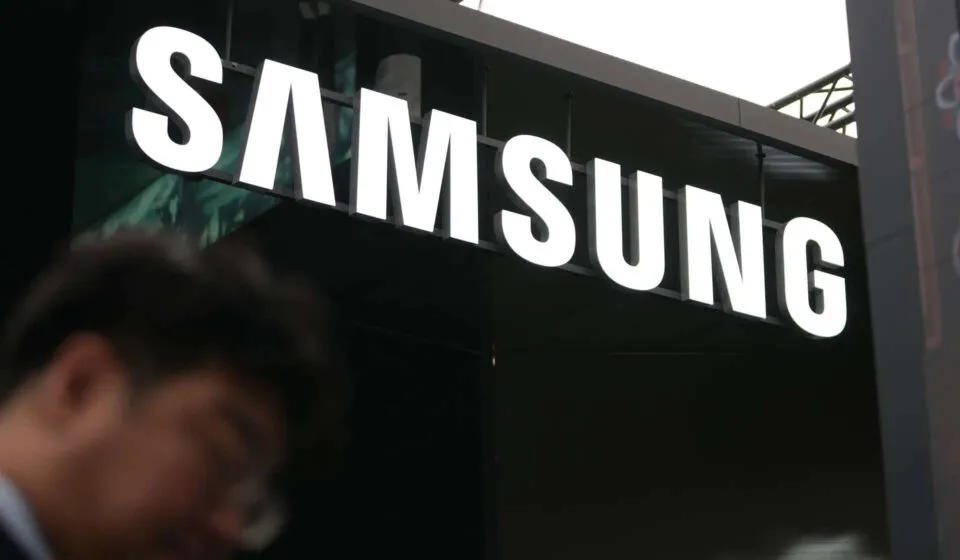
Samsung Electronics, a global technology titan, has announced an unprecedented quarterly operating profit, reaching an astounding $62 billion. This remarkable financial performance is primarily attributed to a burgeoning demand for artificial intelligence (AI) chips, signaling a robust recovery and significant growth in the semiconductor industry. Its peer, SK Hynix, also reported record-breaking revenue figures, underscoring a widespread industry upswing. However, this period of prosperity is not without its complexities; investor sentiment has shown some caution due to ambitious expansion plans and intensifying competition, particularly from Chinese manufacturers. Both industry leaders are committing substantial capital to new chipmaking facilities and advanced data centers, while simultaneously forging global partnerships to secure vital memory chip supplies for the rapidly evolving AI landscape.
The AI Revolution: Fueling Semiconductor Growth
The current surge in demand for high-performance memory chips is a direct consequence of the exponential growth in artificial intelligence technologies. Generative AI models, large language models (LLMs), and advanced machine learning applications require immense computational power and vast amounts of data processing capabilities. This translates into an insatiable need for specialized semiconductors, particularly High Bandwidth Memory (HBM) modules, which are crucial for accelerating AI workloads in data centers and high-performance computing environments.
The global technology sector is undergoing a profound transformation, with AI emerging as the pivotal driver. Companies worldwide are investing heavily in AI infrastructure, ranging from cloud computing platforms to edge devices, all of which rely on cutting-edge chip technology. This foundational shift has created a lucrative market for memory chip manufacturers, positioning them at the heart of the digital economy’s evolution.
Samsung’s Unprecedented Financial Triumph
Samsung Electronics’ achievement of a record $62 billion operating profit in the second quarter is a testament to its strategic positioning and technological prowess in the memory chip sector. The company’s memory division, which experienced a downturn in previous periods, has staged a powerful comeback, largely propelled by orders for advanced memory solutions critical for AI applications. Samsung’s portfolio includes a wide range of memory products, with its HBM offerings becoming particularly vital for graphics processing units (GPUs) used in AI training and inference.
This financial milestone not only highlights Samsung’s operational efficiency and market leadership but also reflects a broader market recovery from the inventory adjustments and demand slowdowns seen in earlier quarters. The company’s diverse business units, encompassing semiconductors, mobile communications, and consumer electronics, provide a resilient foundation, yet it is the semiconductor segment that has truly shined in the AI-driven boom.
SK Hynix: A Strong Contender in the AI Memory Race
Not to be outdone, South Korean rival SK Hynix has also reported impressive financial results, achieving record revenue. SK Hynix has strategically focused on the HBM market, becoming a key supplier for leading AI chip developers. Its early investments and technological advancements in HBM have positioned it as a critical player in the AI supply chain, benefiting significantly from the current market dynamics.
The strong performance of both Samsung and SK Hynix underscores a concentrated period of growth for the South Korean semiconductor industry, which dominates a significant portion of the global memory chip market. Their parallel successes illustrate the immense scale of the demand for AI-specific memory and the strategic importance of these companies in enabling the future of artificial intelligence.
Aggressive Expansion and Strategic Investments
In anticipation of sustained AI-driven demand, both Samsung and SK Hynix are embarking on aggressive expansion strategies. These plans involve massive capital expenditures aimed at enhancing production capacity and developing next-generation technologies. Key investment areas include:
- New Fabrication Facilities (Fabs): Construction of advanced semiconductor manufacturing plants to increase output of high-density memory chips.
- Research and Development: Significant investment in R&D to innovate new memory architectures and improve existing technologies, such as HBM3 and beyond.
- Data Center Infrastructure: Expanding capabilities to support the burgeoning cloud and AI data center markets, which are massive consumers of memory and storage solutions.
- Equipment Upgrades: Modernizing existing production lines with state-of-the-art equipment to boost efficiency and yield.
These substantial investments reflect a long-term vision, aiming to solidify their market leadership and meet the projected exponential growth in AI hardware requirements. However, such large-scale capital deployment also carries inherent risks, including potential oversupply in the future or shifts in market demand.
Navigating Investor Concerns and Competitive Pressures
Despite the record profits, investor sentiment has shown signs of apprehension. This cautious outlook stems from several factors:
- High Capital Expenditure: The sheer scale of investment in new facilities raises concerns about profitability margins and return on investment over the long term.
- Market Volatility: The semiconductor industry is historically cyclical, and while AI demand is strong now, investors are wary of potential future downturns or market corrections.
- Chinese Competition: China’s ambitious drive to achieve self-sufficiency in semiconductor manufacturing poses a significant competitive threat. Chinese companies are rapidly advancing their capabilities, potentially leading to increased market saturation and price pressures in the future.
- Geopolitical Tensions: Global trade policies and geopolitical shifts can impact supply chains, market access, and the overall business environment for these multinational corporations.
These concerns highlight the complex balance between seizing growth opportunities and managing risks in a highly competitive and capital-intensive industry. Companies must navigate these challenges while continuing to innovate and expand strategically.
Strengthening Global Partnerships for AI Supply Chains
The intense demand for AI memory chips has also led to a strengthening of global partnerships across the technology ecosystem. Major AI developers, cloud service providers, and hardware manufacturers are actively collaborating with memory chip producers like Samsung and SK Hynix to secure stable and timely supplies of critical components. These partnerships often involve:
- Long-term Supply Agreements: Contracts ensuring consistent access to advanced memory chips.
- Joint Development Efforts: Collaborating on designing customized memory solutions optimized for specific AI workloads.
- Strategic Alliances: Building stronger ties to ensure supply chain resilience and foster innovation.
Such collaborations are essential for fostering a robust AI ecosystem, ensuring that the necessary hardware infrastructure is in place to support the rapid advancements in AI software and applications. The interconnectedness of the global tech industry means that the success of AI hinges on effective and reliable partnerships.
Conclusion: The Dawn of an AI-Driven Semiconductor Era
Samsung’s record-breaking profit, alongside SK Hynix’s strong performance, unequivocally signals the profound impact of the AI revolution on the semiconductor industry. While the opportunities for growth are immense, driven by an unprecedented demand for advanced memory chips, the path forward involves significant investment, strategic planning, and careful navigation of competitive pressures and investor concerns. The aggressive expansion plans and strengthening global partnerships undertaken by these tech giants are critical steps in securing their positions at the forefront of this new, AI-driven semiconductor era, shaping the technological landscape for decades to come.