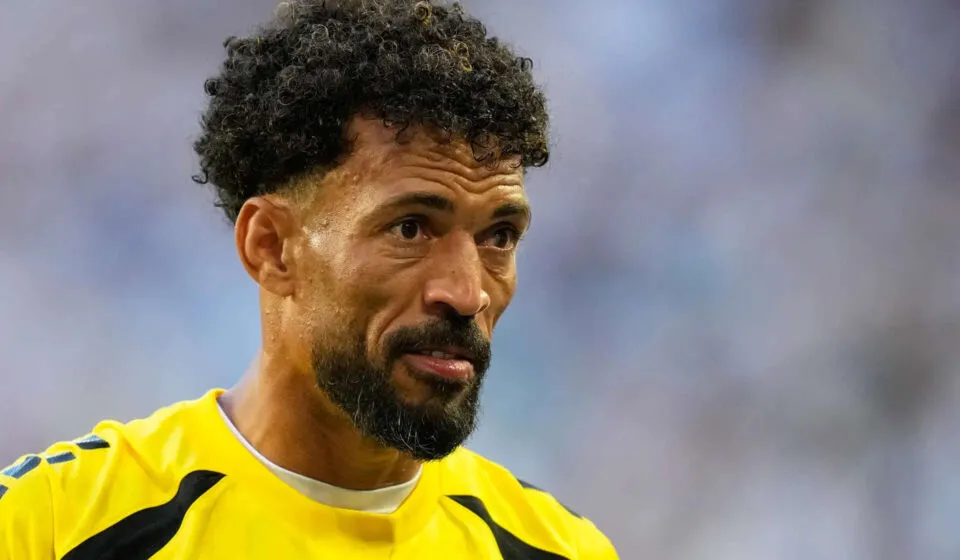
Vozinha’s Shirt Name Saga: Cape Verde’s World Cup Hero Faces Bizarre Rule at Chilean Giants Colo-Colo

Introduction: A Star’s Rise and a Surprising Hurdle
The world of football is no stranger to dramatic transfers and the emergence of new stars. However, a peculiar situation is unfolding around Cape Verde’s celebrated goalkeeper, Vozinha, whose heroic performances at the recent 2026 World Cup have not only propelled him into the global spotlight but also landed him a coveted move to Chilean powerhouse Colo-Colo. Yet, amidst the excitement of this high-profile transfer, a seemingly obscure league regulation threatens to strip him of the very name that has become synonymous with his identity and newfound fame: his iconic nickname, ‘Vozinha’, on his club shirt.
This unique predicament pits player identity and global recognition against traditional sporting regulations, sparking a debate about the balance between individual branding and league oversight. As Colo-Colo seeks a special exemption for their new star, the football world watches to see if a nickname, earned through years of dedication and culminating in World Cup glory, can withstand the rigid structures of club football rules.
Vozinha: From Island Nation to Global Icon
Vozinha’s journey to international acclaim is a testament to perseverance and the growing influence of smaller footballing nations. Hailing from Cape Verde, an archipelago nation off the northwest coast of Africa, the goalkeeper has long been a stalwart for his country’s national team. His recent displays at the 2026 World Cup were nothing short of spectacular, captivating audiences with his acrobatic saves, leadership, and composure under immense pressure. These performances were not just personal triumphs but a source of immense pride for Cape Verde, showcasing their talent on the grandest stage.
For a nation often overlooked in the dominant narratives of global football, Vozinha’s breakout moment provided a beacon of hope and inspiration, proving that skill and determination can transcend geographical limitations. His nickname, ‘Vozinha’, has been an integral part of his persona throughout his career, a familiar and endearing moniker that resonates deeply with fans and fellow players alike, symbolizing his journey and unique style.
Colo-Colo’s Ambitious Acquisition and the Rulebook
The signing of Vozinha by Colo-Colo represents a significant coup for the Chilean club. As one of South America’s most storied and successful teams, Colo-Colo boasts a rich history, a passionate fanbase, and a consistent presence in continental competitions. Acquiring a player of Vozinha’s caliber, fresh from a standout World Cup campaign, is a clear statement of intent, signaling their ambitions for domestic and international glory. His arrival is expected to bolster their squad, bring invaluable experience, and significantly boost the club’s profile on the international stage.
However, this high-profile transfer has inadvertently highlighted a peculiar facet of the Chilean league’s regulations concerning player names on jerseys. While the exact wording of the rule is often detailed in official league handbooks, such regulations typically aim to ensure clarity, maintain official registration standards, and prevent potential confusion or misuse of player identification. Common reasons for such rules include:
- Official Registration: Ensuring that the name displayed on the shirt matches the player’s officially registered name with the league and national football association.
- Consistency: Maintaining a uniform standard across all teams and players within the league.
- Preventing Misleading Information: Avoiding the use of names that could be promotional, offensive, or confusing.
- Tradition: Upholding long-standing practices within the sport.
For Vozinha, whose birth name is likely different from his famous nickname, this rule poses an unexpected challenge. The name ‘Vozinha’ is not merely a casual moniker; it is his identity in the football world, recognized globally and intrinsically linked to his recent achievements.
The Heart of the Matter: Identity vs. Regulation
The core of this unfolding drama lies in the tension between a player’s established identity and the often-rigid framework of sporting regulations. For athletes, particularly those who achieve global recognition, a nickname can become as powerful, if not more so, than their official given name. It’s a brand, a connection with fans, and a symbol of their journey and persona on the pitch. Think of legendary figures like Pelé, Garrincha, or even modern stars who are universally known by their chosen monikers.
Vozinha himself has expressed a desire to be valued for his footballing prowess rather than solely for his newfound global fame. This sentiment underscores the deeper issue: while the nickname has brought him recognition, he wants his skill and contribution to be the primary focus. Yet, paradoxically, removing his celebrated nickname from his shirt could inadvertently diminish the very recognition he has earned and the connection he shares with a rapidly expanding global fanbase.
Colo-Colo’s proactive step in requesting a special exemption from the league highlights their understanding of the commercial and identity-related implications. They recognize the marketing potential and the fan appeal that comes with having ‘Vozinha’ emblazoned on their new star’s back. Granting such an exemption would not only honor the player’s identity but also allow the club to fully capitalize on his popularity.
Precedents and the Future of Player Identity
While the specifics of this rule may vary, similar dilemmas have arisen in various football leagues worldwide. Some leagues are more lenient, allowing players to use nicknames or even single names, provided they are officially registered and approved. Others adhere strictly to birth names or surnames. For instance, in some European leagues, players have successfully used nicknames or parts of their names, often after a formal request and approval process, particularly if the name has long been associated with their public persona.
The outcome of Colo-Colo’s request will set an interesting precedent for the Chilean league and potentially beyond. It will test the league’s flexibility and its willingness to adapt to the realities of modern football, where player branding and global appeal play an increasingly significant role. Will the league prioritize strict adherence to traditional rules, or will it embrace the opportunity to celebrate a globally recognized star, allowing his unique identity to shine?
Conclusion: A Name Worth Fighting For
Vozinha’s situation at Colo-Colo is more than just a bureaucratic hiccup; it’s a microcosm of broader discussions in sports about tradition, identity, and the evolving landscape of player recognition. As the Cape Verdean hero prepares for a new chapter in his career, the question of what name will adorn his shirt remains. His World Cup performances have elevated him to a status where his nickname is instantly recognizable, a powerful symbol of his talent and his nation’s footballing spirit.
Whether the Chilean league grants the exemption or not, this episode highlights the profound connection between a player’s identity and their name on the pitch. For Vozinha, and for countless fans who cheered his every save, ‘Vozinha’ is not just a nickname; it’s a legacy. The resolution of this ‘name game’ will undoubtedly be watched closely, not just by Colo-Colo supporters, but by the global football community eager to see if a hero’s hard-earned identity can triumph over the letter of the law.