West Asia Conflict Casts Shadow on Indian Exports: Exporters Grapple with Uncertainty and Rising Costs

Geopolitical Tensions Strain India’s Export Sector
The escalating geopolitical situation in West Asia is casting a significant shadow over India’s vibrant export sector, introducing a complex web of challenges ranging from escalating logistics costs to pervasive order uncertainty. As critical maritime routes become increasingly volatile, Indian exporters find themselves navigating treacherous waters, prompting urgent discussions with government bodies to chart a course through the turbulence.
The region, a crucial transit point for global trade, has seen heightened tensions, particularly impacting shipping lanes vital for connecting Asian markets with Europe and the Americas. This instability translates directly into tangible difficulties for businesses reliant on smooth, predictable supply chains, threatening to erode profit margins and delay economic growth momentum.
The Ripple Effect: Increased Costs and Delayed Schedules
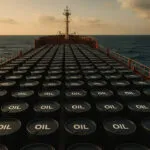
The primary and most immediate impact on Indian exporters stems from severe disruptions to global shipping. The preferred and most efficient routes, notably those passing through the Red Sea and the Suez Canal, have become high-risk zones due to ongoing hostilities. This forces cargo vessels to reroute, often taking the significantly longer and more expensive path around the Cape of Good Hope.
- Extended Transit Times: Rerouting adds an average of 10-14 days to shipping schedules, delaying delivery of goods and impacting inventory management for both exporters and their international buyers.
- Soaring Freight Charges: The longer routes, coupled with increased demand for available vessels and heightened risk premiums, have led to a substantial surge in freight costs. Exporters are reporting increases that, in some cases, are becoming unsustainable.
- Elevated Insurance Premiums: Shipping through conflict zones or perceived high-risk areas automatically triggers higher insurance costs, adding another layer of financial burden to export operations.
- Container Availability Issues: Delays in vessel turnaround times contribute to a shortage of empty containers at various ports, further complicating logistics and increasing costs.
These compounded logistical challenges not only inflate operational expenses but also make it harder for Indian businesses to offer competitive pricing in the international market, potentially leading to a loss of market share to competitors less affected by these specific disruptions.
Buyer Hesitation and Order Uncertainty
Beyond the direct financial implications, the unpredictability introduced by the West Asia crisis has injected a strong dose of caution into international trade relationships. Buyers, wary of potential delays, supply chain interruptions, and fluctuating costs, are increasingly hesitant to commit to new orders or are significantly delaying their purchasing decisions.
This buyer hesitation creates a climate of profound uncertainty for Indian manufacturers and traders. Businesses are struggling to forecast demand, plan production schedules, and manage raw material procurement, leading to potential underutilization of capacity or, conversely, a buildup of unsold inventory. The long-term contracts and relationships built over years are now under strain as both sides grapple with an unforeseen and rapidly evolving situation.
Government Engagement: Minister Goyal Addresses Concerns
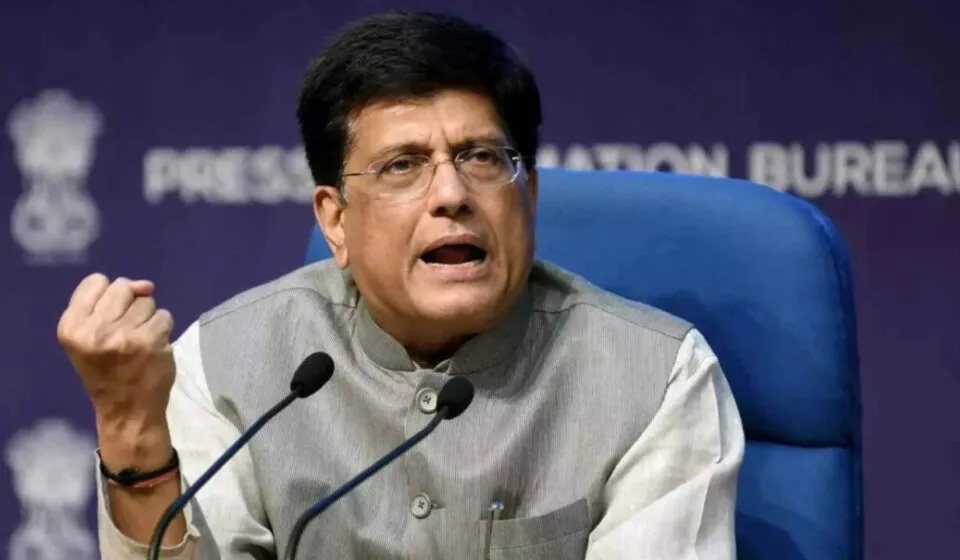
Recognizing the gravity of the situation, India’s Commerce Minister, Piyush Goyal, has taken proactive steps to engage with the nation’s export promotion bodies. In recent high-level meetings, the Minister held comprehensive discussions with various industry stakeholders, listening to their immediate concerns and assessing the broader impact of the West Asia crisis on different export sectors.
These consultations serve as a crucial platform for exporters to articulate their challenges directly to policymakers, enabling the government to formulate targeted interventions and support mechanisms. The discussions underscored the need for swift and effective measures to mitigate the adverse effects and ensure the continued competitiveness of Indian exports.
Bolstering Service Exports: A Strategic Focus
During these discussions, Minister Goyal specifically emphasized the need for enhanced support for service exporters, particularly those in the hospitality and medical tourism sectors. These industries, while not directly impacted by shipping disruptions in the same way as merchandise exports, are highly sensitive to global travel advisories, geopolitical instability, and consumer confidence.
In times of regional conflict, international travel often diminishes, directly affecting tourism and elective medical procedures sought by foreign nationals. Government backing for these sectors could involve promotional campaigns, easier visa processes, financial incentives, or diplomatic efforts to reassure potential visitors, thereby safeguarding a vital component of India’s overall export basket.
India’s Export Resilience Amidst Global Headwinds
Despite the current challenges emanating from West Asia and other global uncertainties, India’s overall export performance has demonstrated remarkable resilience. The Commerce Minister highlighted that India’s merchandise exports have recorded a robust 15 percent growth this fiscal year. This impressive performance underscores the underlying strength and diversification of India’s manufacturing base and its growing presence in global markets.
This growth, achieved against a backdrop of fluctuating global demand, inflationary pressures, and ongoing geopolitical tensions, speaks volumes about the adaptability and dynamism of Indian businesses. However, the specific and acute challenges posed by the West Asia crisis threaten to dampen this positive trajectory if not addressed effectively and promptly.
Strategies for Mitigation and Future Outlook
To navigate the current turbulence, a multi-pronged approach is essential. Exporters are being encouraged to explore diversification of their shipping routes where feasible, although viable alternatives for high-volume trade remain limited. Furthermore, reviewing and renegotiating contracts to include clauses for unforeseen geopolitical events and cost fluctuations could provide a degree of protection.
From the government’s side, potential interventions could include:
- Financial Assistance: Exploring mechanisms to subsidize increased freight and insurance costs for affected sectors.
- Diplomatic Engagement: Working with international partners to de-escalate tensions and ensure the safety of critical maritime corridors.
- Trade Facilitation: Streamlining customs procedures and providing timely market intelligence to help exporters adapt.
- Credit and Insurance Support: Enhancing export credit guarantee schemes and providing access to affordable war risk insurance.
The long-term implications of sustained instability in West Asia could reshape global supply chains, potentially leading to a greater emphasis on regionalization or diversification of manufacturing bases. For India, this presents both challenges and opportunities to further strengthen its position as a reliable and resilient global supplier.
Conclusion
The West Asia crisis presents a complex and evolving challenge for Indian exporters, demanding strategic responses from both the industry and the government. While India’s export sector has demonstrated commendable resilience and growth in the face of broader global uncertainties, the specific disruptions to vital trade routes and the associated increase in costs and order uncertainty require immediate and sustained attention. Through collaborative efforts, India aims to mitigate the adverse impacts, protect its export competitiveness, and ensure that its economic growth trajectory remains robust amidst a volatile global landscape.