Tariff Turmoil: Small Businesses Launch Legal Battle Against Trump’s Sweeping Import Duties

A New Wave of Tariffs Sparks Legal Conflict
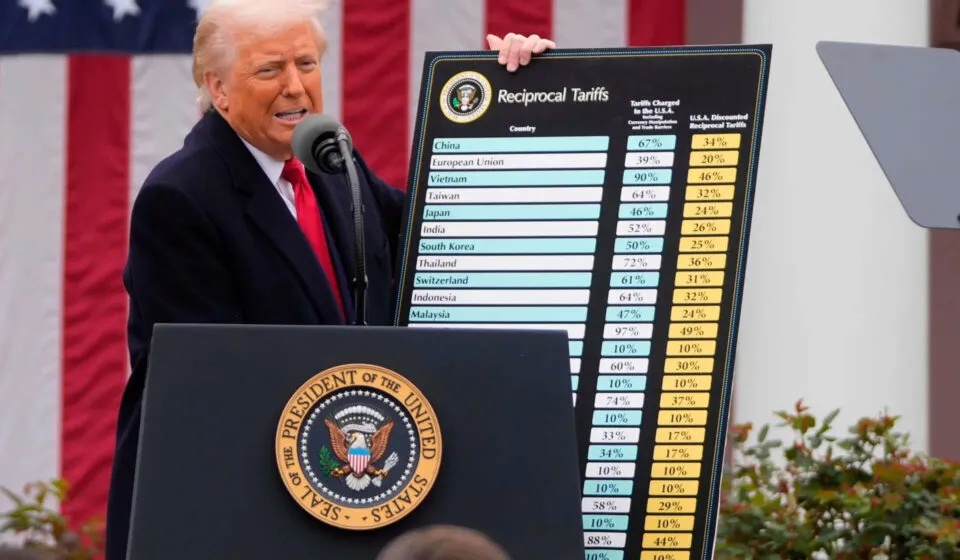
Two coalitions of small businesses across the United States have initiated legal proceedings challenging the latest round of tariffs imposed by the Trump administration. These controversial levies, which cast a wide net over goods originating from sixty different trading partners, effectively impact nearly all imports entering the U.S. market. The plaintiffs contend that the administration has failed to provide adequate justification for these measures on an individual economic basis, asserting that the new tariffs are merely a reincarnation of previous worldwide duties that were ultimately invalidated by the Supreme Court. While legal experts anticipate a protracted court battle, many believe these tariffs are likely to remain in effect for an extended period.
This legal confrontation underscores the ongoing tension between presidential trade authority and the economic stability of American enterprises, particularly small and medium-sized businesses that often bear the brunt of increased import costs. The dispute not only questions the legality of the tariffs but also their broader economic implications for consumers, supply chains, and international trade relations.
Understanding the Context: The Evolution of Trade Tariffs
The imposition of tariffs by the U.S. government is not a new phenomenon, but their application has evolved significantly over time. Historically, tariffs served as a dual tool: generating revenue for the government and protecting nascent domestic industries from foreign competition. However, in the modern globalized economy, tariffs are frequently wielded as instruments of foreign policy and economic leverage.
A critical piece of legislation underpinning such actions is Section 232 of the Trade Expansion Act of 1962. This statute grants the President the authority to impose tariffs or other trade restrictions if the Secretary of Commerce determines that imports of a particular article threaten to impair national security. This broad interpretation of national security has been a focal point of debate, especially during the Trump administration, which utilized Section 232 more aggressively than previous presidencies.
The Precedent: Previous Tariffs and Supreme Court Intervention
The current legal challenge draws parallels to earlier trade disputes during the Trump presidency. Notably, the administration previously imposed global tariffs on steel and aluminum imports, citing national security concerns under Section 232. These tariffs provoked widespread criticism from trading partners and domestic industries alike, leading to retaliatory measures from countries such as China, the European Union, Canada, and Mexico.
While the initial steel and aluminum tariffs faced numerous legal challenges, the Supreme Court eventually struck down some aspects of the administration’s broader application of duties, particularly those that were perceived as lacking specific national security justification or exceeding the scope of the statutory authority. This legal precedent is central to the current plaintiffs’ argument, as they suggest the new, expansive tariffs are an attempt to circumvent these earlier judicial setbacks by repackaging similar measures under a different guise.
The Scope of the New Tariffs: Broad and Far-Reaching
The tariffs currently under scrutiny are remarkably extensive. Targeting goods from sixty diverse trading partners, they encompass a vast array of products and sectors, touching nearly every category of U.S. imports. This broad application is a key point of contention for the challenging businesses, who argue that such a sweeping measure cannot be individually justified for each country or product on national security grounds.
The lack of specificity, according to the plaintiffs, indicates an arbitrary application of trade policy rather than a targeted response to genuine threats. This ‘blanket’ approach creates significant uncertainty for importers, manufacturers, and retailers who rely on stable international supply chains to operate efficiently and cost-effectively.
Small Businesses Take a Stand: The Core Arguments
The two groups of small businesses bringing this lawsuit assert several key arguments:
- Lack of Individual Justification: The primary contention is that the administration has failed to provide specific, evidence-based justifications for imposing tariffs on goods from each of the sixty trading partners. They argue that a general claim of national security cannot logically apply to such a diverse group of countries and products without detailed substantiation.
- Procedural Impropriety: The businesses may also argue that the process by which these tariffs were implemented lacked proper administrative procedures, such as sufficient public comment periods or transparent economic impact assessments.
- Overreach of Authority: There is a strong argument that the administration has overstepped the bounds of its statutory authority under Section 232, using it as a tool for broad economic policy rather than as a narrowly defined power to protect national security.
- Replacement of Struck-Down Duties: The plaintiffs contend that these new tariffs are essentially a replacement for previous worldwide duties that were deemed unlawful by the Supreme Court, representing an attempt to achieve the same outcome through a slightly altered, but equally illegitimate, mechanism.
For small businesses, these legal battles are not merely academic; they represent a fight for their very survival. Increased import costs can erode profit margins, force price hikes, and ultimately lead to reduced competitiveness in the market.
Economic Impact: A Ripple Effect Through the Economy
The economic ramifications of such extensive tariffs are significant and multifaceted. Small businesses, often operating on tighter margins than larger corporations, are particularly vulnerable. They face:
- Increased Operating Costs: Tariffs are essentially taxes on imported goods. Businesses importing raw materials, components, or finished products see their costs rise directly.
- Supply Chain Disruptions: To avoid tariffs, businesses may seek new suppliers, which can be a costly and time-consuming process, leading to delays and quality control issues.
- Reduced Competitiveness: Higher input costs can make U.S. products more expensive, both domestically and internationally, potentially ceding market share to competitors in countries not subject to similar tariffs.
- Uncertainty: The unpredictable nature of trade policy creates an unstable business environment, making long-term planning and investment difficult.
- Consumer Price Hikes: Ultimately, many of these increased costs are passed on to consumers in the form of higher prices for a wide range of goods, contributing to inflationary pressures.
Beyond individual businesses, these tariffs can strain international trade relations, potentially inviting retaliatory tariffs from affected trading partners, further complicating global commerce and potentially harming U.S. export industries.
Legal Experts Weigh In: Why Tariffs May Endure
Despite the compelling arguments put forth by the challenging businesses, many legal experts believe these new tariffs are likely to remain in place for an extended period. Several factors contribute to this outlook:
- Judicial Deference to Executive Power: Courts, particularly federal courts, often exhibit significant deference to the executive branch in matters of national security and foreign policy. They are generally reluctant to second-guess presidential determinations in these sensitive areas.
- Broad Interpretation of Section 232: While challenged, the language of Section 232 is broad, granting the President considerable discretion. Proving that the administration acted outside this discretion or without any national security basis is a high legal bar.
- Difficulty of Proving Harm: While the economic harm to businesses is real, translating that into a legally actionable violation that would compel a court to strike down the tariffs can be complex.
- Lengthy Litigation Process: Trade cases can be incredibly complex and time-consuming, involving multiple appeals. Even if the businesses ultimately prevail, the tariffs could remain in effect for years during the litigation process.
The judicial system’s inherent caution in intervening in executive trade decisions, combined with the broad statutory authority granted to the President, creates an uphill battle for the plaintiffs.
The Road Ahead: Implications for Trade Policy
The legal challenge to these widespread tariffs is more than just a dispute over specific import duties; it is a test of the boundaries of presidential power in trade policy and the role of the judiciary in overseeing such executive actions. The outcome will have significant implications for future administrations and their ability to use tariffs as a tool for economic or national security objectives.
Regardless of the final judicial decision, the ongoing legal battle highlights the critical need for transparent, justified, and predictable trade policies that support, rather than hinder, the growth and stability of American businesses, especially the small enterprises that form the backbone of the economy.
Conclusion
The legal battle initiated by small businesses against the Trump administration’s sweeping new tariffs marks a significant moment in U.S. trade policy. While the plaintiffs argue against the tariffs’ legality and justification, legal experts foresee a challenging and lengthy process, with the duties likely persisting for some time. This case underscores the profound impact of trade measures on domestic businesses and the enduring debate over executive power in a globalized economy.