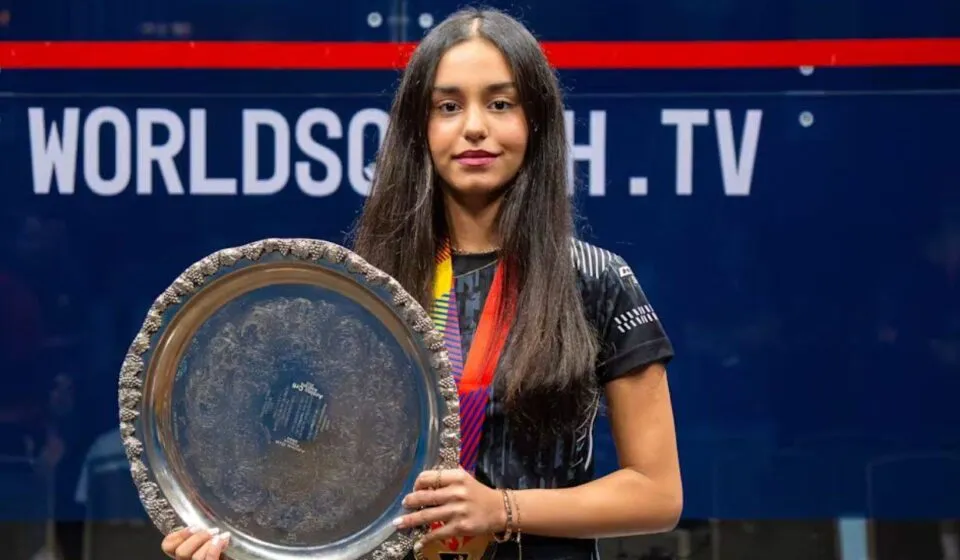

A Historic Triumph and a Glimpse into the Future
At just 18 years old, Anahat Singh has etched her name into the annals of Indian sports history, becoming the nation’s first-ever World Junior Squash champion. This monumental achievement, secured amidst a highly competitive global field, not only signifies a personal milestone for the young athlete but also heralds a new era for squash in India. Fresh from this historic victory, Singh is already demonstrating a maturity beyond her years, looking past the immediate glory towards an ambitious future that includes the Asian Games and the ultimate dream of the Los Angeles 2028 Olympics.
Her current phase is unique: a gap year before embarking on her college education. This strategic pause is not a break from her rigorous training but rather a dedicated period to intensify her focus on professional squash, preparing her for the demanding senior circuit. Her journey, marked by this extraordinary junior success, now pivots towards navigating rising expectations and the formidable challenge of translating junior prowess into sustained senior-level excellence.
Breaking Dominance: The Significance of Anahat’s Win
Anahat Singh’s victory at the World Junior Squash Championship carries profound significance, particularly in the context of the sport’s global landscape. For years, the junior circuit, much like the senior professional tour, has been largely dominated by Egyptian players, renowned for their exceptional talent and comprehensive development programs. Singh’s triumph represents a decisive break in this long-standing hegemony, showcasing the burgeoning talent emerging from India.
Her win is not merely a personal victory; it is a powerful statement for Indian squash. It injects a new wave of optimism and belief into the sport’s ecosystem within the country, potentially inspiring a new generation of players. This achievement elevates India’s standing on the international squash map, proving that with dedication, strategic training, and mental fortitude, Indian athletes can compete and conquer at the highest levels, even against historically dominant nations.
Staying Grounded Amidst Soaring Expectations
The spotlight that comes with making history can be intense, especially for a young athlete. Anahat Singh, however, appears remarkably poised to handle the burgeoning expectations and the inevitable media hype. She openly discusses the importance of staying grounded, a philosophy she attributes to the unwavering support and guidance from her parents and coaches.
In high-pressure situations, and even in the aftermath of her victory, Singh emphasizes the role of her close-knit support system. Her parents provide the emotional anchor, while her coaches offer the technical expertise and strategic counsel necessary to navigate the professional demands of the sport. This robust support structure is crucial for any athlete, but particularly for one so young, helping her to filter out distractions and maintain focus on her long-term objectives rather than getting swept away by fleeting adulation.
The Strategic Gap Year: Paving the Road to Professionalism
The decision to take a gap year before commencing college is a calculated move by Anahat Singh, reflecting a mature understanding of her career trajectory. This period is not merely a hiatus but a crucial window dedicated to her athletic development, allowing her to fully immerse herself in training and competition without the concurrent pressures of academic studies.
During this gap year, Singh plans to intensify her training regimen, focus on refining her technique, and gain invaluable experience on the senior professional circuit. This focused approach is designed to bridge the gap between junior and senior squash, a transition often challenging for even the most talented young players. It provides her with the dedicated time and resources to elevate her physical and mental game, preparing her for the rigors and higher stakes of international senior tournaments. The ultimate goal is to emerge from this gap year not just a world junior champion, but a formidable contender on the global stage, ready to challenge established professionals and accumulate crucial ranking points.
Eyes Firmly Set on the Asian Games and LA Olympics
With her historic junior title secured, Anahat Singh’s gaze is now firmly fixed on more ambitious targets: the upcoming Asian Games and, most significantly, the Los Angeles 2028 Olympic Games. Squash’s inclusion in the LA28 Olympics marks a watershed moment for the sport, offering athletes like Singh the ultimate platform to compete for Olympic glory.
The Asian Games serve as an immediate and significant stepping stone, offering a chance to test her mettle against top Asian competitors and bring further accolades to India. Beyond that, the path to the Olympics is a long and arduous one, requiring consistent performance, high international rankings, and peak physical condition. Singh’s proactive focus on this long-term goal underscores her ambition and her commitment to a professional career in squash. Her training and competitive schedule during her gap year and beyond will undoubtedly be meticulously planned to align with these major international events, shaping her journey towards what could be an Olympic debut.
The Transition from Junior Prodigy to Senior Contender
The transition from a dominant junior player to a successful senior professional is often cited as one of the most challenging phases in an athlete’s career. The senior circuit demands a different level of physicality, mental toughness, and strategic depth. Opponents are more experienced, physically stronger, and tactically astute, making every match a rigorous test.
Anahat Singh will need to adapt her game, refine her shot selection, and enhance her physical conditioning to compete effectively against seasoned professionals. This period will involve learning from defeats, analyzing her performances, and continuously evolving her approach to the game. Her ability to remain resilient, maintain a growth mindset, and leverage the lessons learned from her junior success will be crucial in navigating this demanding transition. The support of her coaching team will be paramount in developing a game plan that allows her to not just compete but to thrive at the senior level.
Conclusion: A Bright Future for Indian Squash
Anahat Singh’s journey is a compelling narrative of talent, dedication, and strategic foresight. Her historic World Junior Squash Championship title has not only brought immense pride to India but has also positioned her as a beacon of hope for the sport’s future in the nation. As she embarks on a crucial gap year, meticulously preparing for the challenges of the senior circuit and setting her sights on prestigious events like the Asian Games and the Los Angeles Olympics, the squash world watches with keen interest.
Her ability to stay grounded amidst the hype, lean on her support system, and maintain a clear vision for her future underscores her potential to become a long-standing force in international squash. Anahat Singh represents more than just a champion; she embodies the aspirations of a nation eager to make its mark on the global sporting stage, promising a thrilling future for Indian squash.