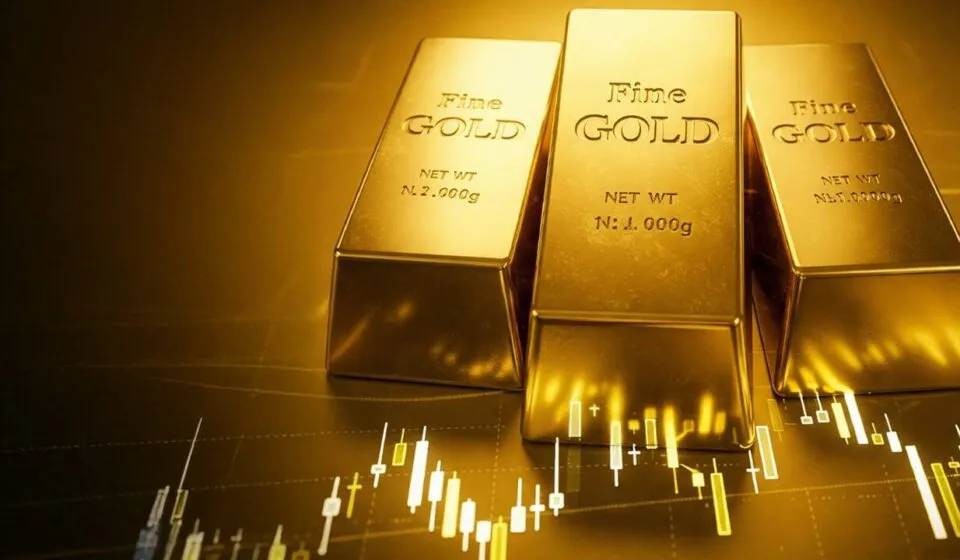

A Glimmer of Hope for Gold Investors
In the volatile landscape of global finance, gold has long stood as a beacon of stability, often sought after during times of economic uncertainty and geopolitical unrest. However, recent periods have seen the precious metal navigate a challenging terrain, leading many investors to question its immediate trajectory. A fresh wave of optimism is now emerging, with market analysts suggesting that the most significant downturn for gold prices may be firmly in the rearview mirror. This renewed confidence is buoyed by a confluence of factors, including a weakening US dollar, a noticeable easing in crude oil prices, and a palpable improvement in broader market risk sentiment.
Vedika Narvekar, a seasoned Research Analyst specializing in Commodities & Currencies at Anand Rathi Shares and Stock Brokers, highlights this shift, stating that recent trends indicate a potential turning point. The early days of this week have indeed seen bullion begin on a firmer footing, signaling a potential recovery phase that could redefine its short-to-medium term outlook.
Understanding Gold’s Recent Volatility
To appreciate the current optimistic sentiment, it’s crucial to understand the dynamics that have influenced gold prices over the preceding months. Gold’s value is intricately linked to a complex web of macroeconomic indicators and geopolitical events. Traditionally, it thrives in environments characterized by high inflation, currency devaluation, and heightened geopolitical tensions, acting as a safe haven asset. Conversely, periods of strong economic growth, rising interest rates, and a robust US dollar can often dampen its appeal.
The ‘downside’ Narvekar refers to likely encompasses periods where strong monetary tightening by central banks, particularly the US Federal Reserve, made yield-bearing assets more attractive. Furthermore, any perceived de-escalation of global risks or a strengthening dollar would naturally exert downward pressure on gold, which offers no yield and is priced in the American currency.
Key Drivers Fueling Gold’s Potential Recovery
The Softening Grip of the US Dollar
One of the most significant catalysts for gold’s recent uptick is the softening of the US dollar. Gold and the dollar typically share an inverse relationship: when the dollar weakens, gold becomes more affordable for holders of other currencies, thereby increasing demand and pushing prices higher. Several factors contribute to a weaker dollar:
- Monetary Policy Expectations: Shifts in central bank rhetoric, particularly regarding future interest rate hikes, can significantly impact currency strength. If the market anticipates a pause or even cuts in rates by the Federal Reserve, the dollar may lose some of its allure compared to other currencies.
- Global Economic Recovery: A robust economic recovery outside the United States can lead to capital flowing into other regions, reducing demand for dollar-denominated assets and subsequently weakening the dollar.
- Trade Balances and Fiscal Health: Long-term concerns about trade deficits or national debt can also weigh on a currency’s value.
The current environment suggests that the dollar’s strength, which has been a headwind for gold, might be moderating, offering bullion a much-needed tailwind.
Easing Crude Oil Prices and Geopolitical Calm
Another critical element contributing to the improved outlook for gold is the easing of crude oil prices. Oil prices are a bellwether for global economic health and inflation. High oil prices can fuel inflation, which traditionally benefits gold as an inflation hedge. However, extremely high and volatile oil prices, often driven by geopolitical instability, can also trigger broader economic slowdowns, sometimes leading to a flight to the dollar rather than gold.
The mention of renewed US-Iran diplomatic efforts is particularly noteworthy. Any progress towards de-escalation in the Middle East:
- Stabilizes Oil Supply: Reduces fears of supply disruptions from a key oil-producing region, which can help bring down crude prices.
- Reduces Geopolitical Risk Premium: Lessens the overall geopolitical risk premium embedded in asset prices, fostering a more stable investment environment.
- Curbs Inflationary Pressures: Lower oil prices directly translate to reduced energy costs, easing inflationary pressures on economies worldwide.
This diplomatic overture, if successful, could signify a broader trend towards de-escalation, positively impacting global markets and creating a more favorable backdrop for gold.
Improving Risk Sentiment Across Markets
The third pillar supporting gold’s potential recovery is the general improvement in risk sentiment. When investors feel more confident about the global economic outlook and geopolitical stability, they are typically more willing to invest in riskier assets like equities. While this might seem counterintuitive for gold, which often thrives on fear, improving risk sentiment in this context implies an easing of *extreme* anxieties that might have previously led to broad market sell-offs and a scramble for dollar liquidity.
An environment of controlled risk and stable growth can still be beneficial for gold, particularly if it’s accompanied by moderate inflation and a more predictable monetary policy landscape. It suggests that the market is moving past a phase of acute uncertainty, allowing for more normalized investment patterns where gold can maintain its role as a portfolio diversifier and a store of value without being solely reliant on crisis-driven demand.
Expert Perspectives: Is the Bottom Truly In?
Vedika Narvekar’s assessment that