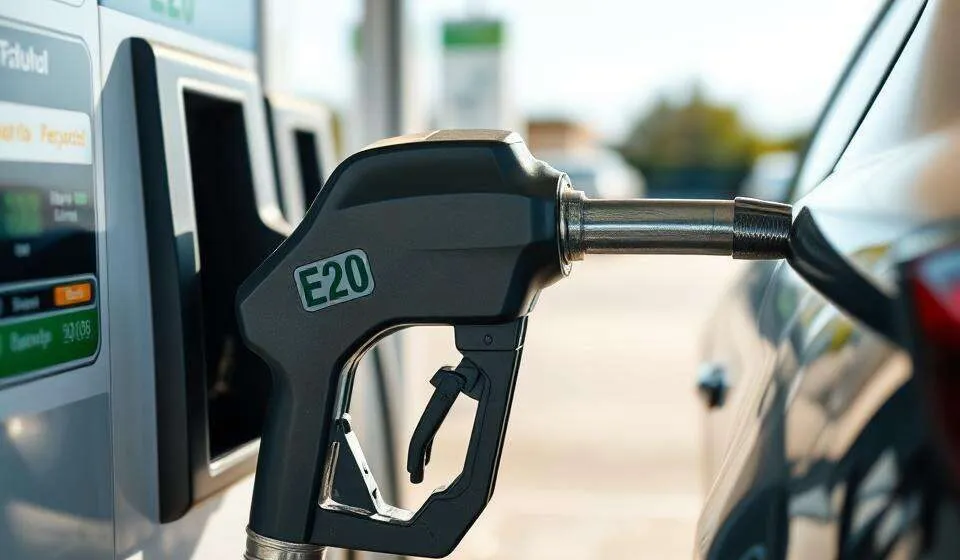
India’s E20 Ethanol Blending: Government Confident in Safety and Science Despite Unassessed Vehicle Compatibility

Introduction to India’s Ethanol Blending Initiative
India is aggressively pursuing an ambitious ethanol blending program, with a particular focus on E20 fuel – a blend of 20% ethanol and 80% gasoline. This initiative is a cornerstone of the nation’s strategy to enhance energy security, reduce its substantial crude oil import bill, and mitigate carbon emissions. While the rollout of E20 fuel is progressing steadily across the country, the government has clarified that it has not undertaken a comprehensive, nationwide assessment of the exact number of vehicles currently compatible with this higher ethanol blend.
Despite the absence of a specific compatibility count, official statements emphasize the robust scientific validation and consultative process underpinning the ethanol blending program. Authorities and industry data consistently affirm the safety and efficacy of E20 fuel for vehicle use, including older, or ‘legacy,’ models. Furthermore, vehicle manufacturers are reportedly continuing to honor warranties for vehicles operating on the blended fuel, aiming to instill confidence among consumers.
The Strategic Imperative Behind E20
India’s drive towards ethanol-blended petrol is rooted in several critical national objectives. As one of the world’s largest importers of crude oil, the nation faces significant economic vulnerabilities due to volatile global oil prices. Increasing the domestic blending of ethanol, primarily derived from sugarcane and other agricultural feedstocks, serves to reduce this dependency and fortify energy independence. The target of achieving 20% ethanol blending by 2025-26, advanced from an earlier 2030 deadline, underscores the urgency and strategic importance placed on this program.
Beyond economic considerations, environmental sustainability is a major motivator. Ethanol, a cleaner-burning fuel, contributes to lower greenhouse gas emissions and reduced particulate matter when combusted, thereby improving air quality, particularly in urban centers. This aligns with India’s commitments under international climate agreements. Moreover, the program offers a crucial economic lifeline to the agricultural sector, providing an additional revenue stream for farmers and promoting a more diversified agricultural economy.
Government’s Stance on Vehicle Compatibility Assessment
A recent statement from the government has highlighted that no specific, nationwide assessment has been conducted to determine the precise number of vehicles in India that are E20 compatible. This clarification is important as it distinguishes between a general understanding of compatibility and a specific, data-driven census.
However, this disclosure is accompanied by strong assurances. Officials emphasize that the absence of a specific count does not imply a lack of readiness or safety concerns. Instead, the government’s approach has been guided by extensive scientific research, rigorous testing protocols, and broad consultation with automotive manufacturers and experts. The focus has been on ensuring the fuel itself is safe and that industry standards are met, rather than on an inventory of individual vehicles.
Scientific Validation and Industry Confidence
The government’s confidence in the E20 program stems from its assertion that the ethanol blending initiative is