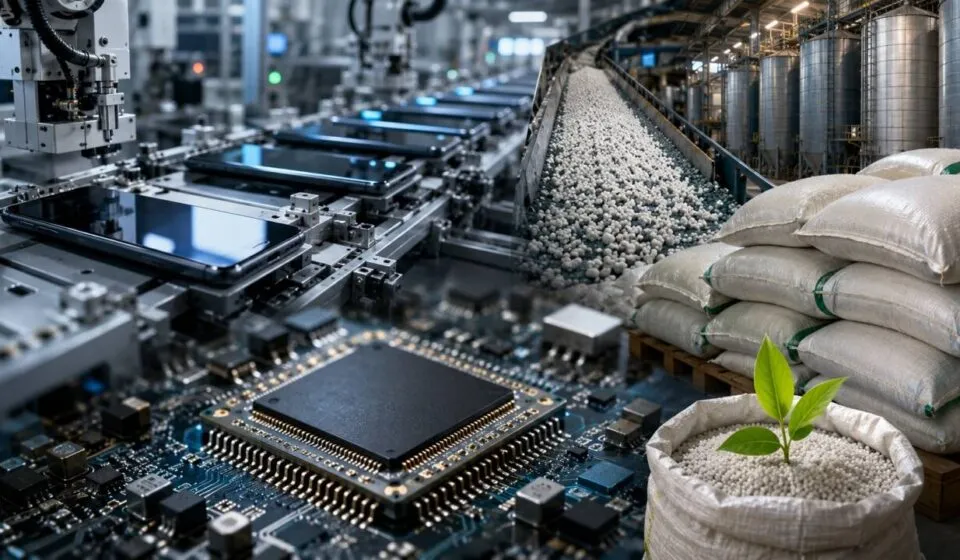

Introduction: India’s Strategic Shift Towards Manufacturing Prowess
In an increasingly interconnected yet volatile global landscape, nations are re-evaluating their economic vulnerabilities, particularly concerning supply chain resilience. India, a burgeoning economic power, is embarking on a significant manufacturing push, driven by a multi-faceted strategy aimed at future-proofing its supply chains against international disruptions and positioning itself as a formidable alternative manufacturing hub to China. This strategic pivot is not merely about economic growth; it’s a comprehensive vision to enhance self-reliance, bolster economic stability, and elevate India’s standing in the global trade arena.
The impetus for this ambitious undertaking stems from recent geopolitical tensions, trade conflicts, and the severe supply chain disruptions witnessed during the global pandemic. These events underscored the risks associated with over-reliance on a single manufacturing base and highlighted the urgent need for diversification. India’s leadership recognizes this critical juncture as an opportunity to transform its economy, reduce its trade deficit, conserve crucial foreign exchange reserves, and create a robust, domestically driven industrial ecosystem.
The Imperative for Self-Reliance and Economic Stability
India’s historical economic trajectory has often seen it grapple with a substantial trade deficit, largely due to its heavy reliance on imports across various sectors. This dependency not only drains foreign exchange reserves but also exposes the nation to external economic shocks and inflationary pressures. The current manufacturing drive seeks to fundamentally alter this dynamic by fostering domestic production across a wide spectrum of industries.
By significantly increasing local manufacturing capabilities, India aims to substitute imported goods with domestically produced alternatives. This ‘Make in India’ ethos is central to the strategy, promising a two-pronged benefit: a reduction in the outflow of foreign currency and a strengthened rupee. Furthermore, a robust manufacturing sector is a proven engine for job creation, offering widespread employment opportunities from skilled labor to engineering and management roles, thereby contributing to inclusive economic growth and poverty reduction.
Key Pillars of India’s Manufacturing Strategy
The Indian government has articulated a clear roadmap, implementing a series of policy initiatives and reforms designed to create an attractive environment for both domestic and international manufacturers. These initiatives are foundational to achieving the stated goals:
- Production-Linked Incentive (PLI) Schemes: These schemes are a cornerstone of India’s strategy, offering financial incentives to companies for increasing domestic production in specific strategic sectors. Launched across over a dozen key sectors, including electronics, automobiles, pharmaceuticals, textiles, and solar PV modules, PLI aims to boost manufacturing output, attract large-scale investments, and create global champions from India.
- ‘Make in India’ Initiative: Reinvigorated, this flagship program encourages companies to manufacture their products in India. It focuses on easing business regulations, improving infrastructure, and fostering innovation to make India a competitive manufacturing destination.
- Infrastructure Development: Recognizing that world-class manufacturing requires world-class infrastructure, significant investments are being channeled into improving logistics, connectivity, and industrial corridors. Projects like the National Industrial Corridor Development Programme and dedicated freight corridors are crucial for reducing transportation costs and improving efficiency.
- Ease of Doing Business Reforms: Continuous efforts are being made to streamline regulatory processes, simplify tax structures, and digitize government services to reduce bureaucratic hurdles and enhance the overall business environment for investors.
- Skill Development: A skilled workforce is indispensable for a thriving manufacturing sector. Programs are underway to upskill and reskill the Indian workforce, aligning educational and vocational training with the demands of modern industry.
Positioning India as a Global Manufacturing Hub: An Alternative to China
One of the most ambitious aspects of India’s manufacturing push is its aspiration to emerge as a credible and competitive alternative to China as the world’s factory. For decades, China has dominated global manufacturing, but recent trade tensions, rising labor costs, and the desire for supply chain diversification have prompted many multinational corporations to explore alternative production bases. India presents a compelling proposition:
- Large Domestic Market: With a population of over 1.4 billion, India offers an immense domestic market, providing a built-in demand for manufactured goods.
- Demographic Dividend: India possesses a young and growing workforce, a significant advantage in terms of labor availability compared to many aging economies.
- Democratic Governance: Its stable democratic framework and robust legal system offer a predictable and reliable environment for long-term investments.
- Strategic Location: Situated at the crossroads of major global trade routes, India offers strategic access to markets in the Middle East, Africa, and Southeast Asia.
By leveraging these inherent strengths and coupling them with proactive policy measures, India aims to attract a substantial portion of the global manufacturing exodus, thereby integrating more deeply into global value chains and enhancing its geopolitical influence.
Future-Proofing Supply Chains from Global Conflicts
The lessons from recent global events are clear: over-concentration of manufacturing in any single region carries inherent risks. Global conflicts, pandemics, or even localized disasters can cripple supply chains, leading to shortages, price spikes, and economic instability worldwide. India’s manufacturing drive is fundamentally a strategy for de-risking global supply chains.
By diversifying manufacturing bases to include India, international companies can build more resilient supply networks, ensuring continuity of production and distribution even when one region faces disruption. This distributed manufacturing model reduces vulnerability and enhances the overall stability of global trade. India’s commitment to becoming a reliable and resilient manufacturing partner is therefore not just beneficial for its own economy, but also contributes to greater stability in the international economic order.
Challenges and the Road Ahead
While the vision is ambitious, India’s journey to becoming a global manufacturing powerhouse is not without its challenges. Issues such as land acquisition, environmental clearances, competition from established manufacturing hubs, and the need for continuous skill upgrades remain critical areas requiring sustained attention. However, the government’s consistent focus on these areas, coupled with a growing entrepreneurial spirit and a large consumer base, provides a strong foundation.
The success of this initiative will hinge on the effective implementation of policies, consistent investment in infrastructure, fostering innovation, and maintaining an attractive and stable regulatory environment. Collaboration between the government, private sector, and academia will be crucial in overcoming obstacles and realizing the full potential of India’s manufacturing renaissance.
Conclusion: A New Era of Indian Manufacturing
India’s comprehensive manufacturing push represents a pivotal moment in its economic history. More than just an economic policy, it is a strategic imperative designed to secure the nation’s future against the backdrop of an uncertain global environment. By reducing its trade deficit, conserving foreign exchange, and positioning itself as a credible alternative to existing manufacturing hubs, India is not only bolstering its own economic resilience but also contributing to the diversification and stability of global supply chains. This ambitious journey, if successfully navigated, promises to usher in a new era of growth, self-reliance, and global prominence for India.