
India Embraces the Future: Polymer Banknotes on the Horizon
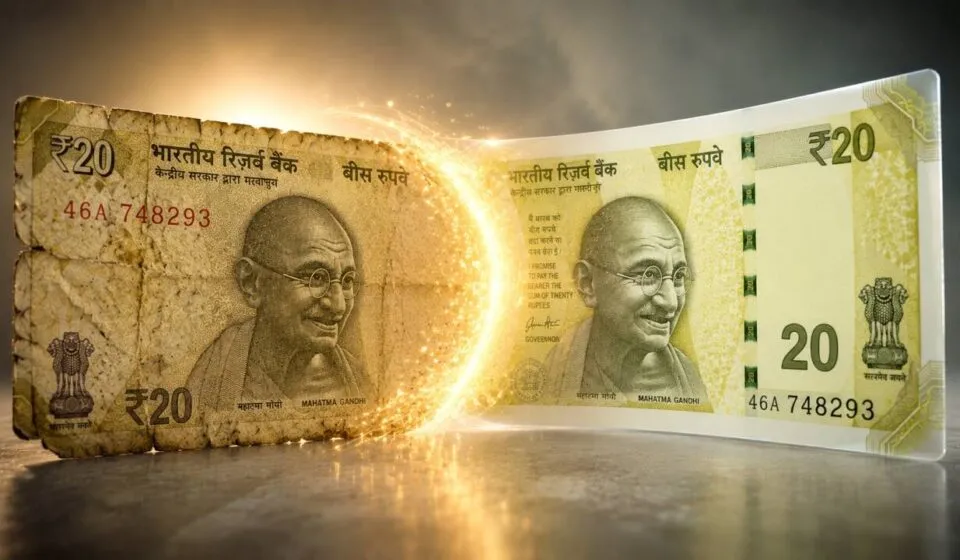
India is on the cusp of a significant transformation in its monetary system, as the Reserve Bank of India (RBI) moves decisively towards introducing polymer-based banknotes. This strategic shift, marked by the RBI’s currency printing arm, Bharatiya Reserve Bank Note Mudran Pvt Ltd (BRBNMPL), inviting global expressions of interest for sourcing materials, signals a proactive approach to address long-standing challenges associated with traditional paper currency. The transition to plastic notes is not merely an upgrade in material but a comprehensive strategy aimed at enhancing durability, security, and efficiency within India’s vast financial ecosystem.
For a nation like India, with its diverse climatic conditions and high-volume cash transactions, the lifespan of banknotes is a critical concern. The sheer scale of currency in circulation and the rapid degradation of notes have historically posed considerable logistical and financial burdens on the central bank. This impending change is poised to revolutionize how currency is produced, circulated, and maintained, aligning India with a growing number of countries that have successfully adopted polymer technology.
The Trillion-Rupee Problem: Why India Needs Durable Currency
The urgency behind India’s move to polymer notes is underscored by the staggering volume of currency that becomes unfit for circulation each year. Over the past decade alone, India has had to discard an estimated 50 trillion rupees worth of soiled and damaged banknotes. This colossal figure represents a substantial operational cost for the RBI, encompassing everything from the continuous printing of replacement notes to the complex processes of verifying, shredding, and disposing of unfit currency.
Several factors contribute to the rapid deterioration of banknotes in India:
- Climate: High humidity and extreme temperatures in many parts of the country accelerate wear and tear.
- Handling Practices: Traditional methods of handling cash, often involving repeated folding, stapling, and less hygienic storage, contribute to physical damage.
- Circulation Volume: With a large population and a significant portion of transactions still conducted in cash, notes experience intensive circulation, leading to quicker degradation.
- Counterfeiting Concerns: While not the primary driver for durability, the constant need to upgrade security features on paper notes adds to production complexity and cost.
The economic implications of this rapid attrition are immense. Beyond the direct printing costs, there are indirect expenses related to transportation, storage, and the administrative overheads involved in managing the currency lifecycle. The introduction of polymer notes is expected to significantly mitigate these challenges, offering a more robust and cost-effective solution.
Global Precedent: The Polymer Advantage
India is not venturing into uncharted territory. Numerous countries worldwide have already transitioned to polymer banknotes, reaping considerable benefits. Australia pioneered the use of polymer notes in 1988, followed by nations such as Canada, the United Kingdom, New Zealand, and many others. Their experiences provide a compelling case for India’s adoption of this advanced currency technology.
The advantages of polymer notes over traditional paper or cotton-based currency are multifaceted:
- Enhanced Durability: Polymer notes are significantly more resilient to tearing, folding, and general wear and tear. They typically last two to five times longer than paper notes, drastically reducing replacement costs.
- Water and Dirt Resistance: Unlike paper, plastic notes are impervious to water and resistant to dirt, oil, and other contaminants, making them ideal for diverse environments and prolonged circulation.
- Improved Security Features: The smooth, non-fibrous surface of polymer allows for the integration of advanced security features, such as transparent windows, intricate holographic designs, and micro-printing, which are much harder for counterfeiters to replicate.
- Greater Hygiene: Polymer notes are less porous than paper notes, making them more hygienic as they carry fewer bacteria and viruses, a particularly relevant benefit in public health contexts.
- Environmental Benefits: While the initial production may have an environmental footprint, the extended lifespan of polymer notes means fewer notes need to be produced and discarded over time. Moreover, used polymer notes can often be recycled into other plastic products, contributing to a circular economy.
These proven benefits from international experience provide a strong foundation for India’s decision, promising a more resilient and secure currency system.
The Road Ahead: Implementation and Public Acceptance
The RBI’s initiative, spearheaded by BRBNMPL’s global tender for materials, marks the initial phase of what will likely be a phased rollout. Sourcing high-quality polymer substrate is a critical step, requiring collaboration with international suppliers possessing specialized expertise. Once the materials are secured, the process will involve adapting existing printing infrastructure or developing new capabilities to handle the unique properties of polymer.
Crucially, the successful integration of polymer notes will also depend on public acceptance and education. A comprehensive public awareness campaign will be essential to inform citizens about the new currency’s features, handling recommendations, and benefits. Addressing potential misconceptions and ensuring a smooth transition will be key to widespread adoption across urban and rural populations.
The introduction of polymer notes will likely begin with lower denominations, which experience the highest circulation and wear, gradually extending to higher denominations. This measured approach allows for testing, feedback, and adjustments, ensuring a seamless transition without disrupting daily economic activities.
Economic and Environmental Impact of the Transition
The economic benefits for India are substantial. By significantly extending the lifespan of banknotes, the RBI can anticipate considerable savings in printing and distribution costs over the long term. Reduced frequency of printing means lower consumption of raw materials, energy, and transportation, translating into a more efficient use of public funds.
From an environmental perspective, the shift aligns with global sustainability goals. While the production of plastic has environmental considerations, the longevity and recyclability of polymer notes offer a net positive impact compared to the continuous production and disposal of paper currency. Fewer notes ending up in landfills, coupled with the potential for recycling, will contribute to a reduction in waste and a more sustainable currency lifecycle.
A Robust Future for Indian Currency
India’s decision to embrace polymer banknotes represents a forward-thinking approach to modernizing its currency system. By addressing the critical issues of durability, security, and cost-efficiency, the RBI is paving the way for a more robust, hygienic, and sustainable financial infrastructure. This strategic move not only positions India among leading global economies utilizing advanced currency technology but also promises significant long-term benefits for its economy and its citizens, ensuring that the rupee remains a resilient symbol of national prosperity for decades to come.