
India’s Russian Oil Strategy: Navigating US Sanctions and Looming Tariff Threats
India finds itself at a critical geopolitical crossroads, balancing its burgeoning energy demands with complex international relations, particularly concerning its increased procurement of Russian crude oil. This strategic move, intensified in the wake of global energy market shifts, has placed India directly in the crosshairs of potential economic repercussions from the United States, as the US Senate advances a bill related to Russia sanctions. The specter of significant tariffs, reminiscent of past trade disputes, now looms large, forcing New Delhi to carefully navigate a delicate diplomatic and economic tightrope.
For a nation of 1.4 billion people, ensuring a stable and affordable energy supply is not merely an economic concern but a matter of national security and sustained development. India, a major global energy consumer, has significantly ramped up its imports of Russian crude, a decision driven by compelling economic advantages and the exigencies of its energy security.
India’s Energy Imperative and the Appeal of Russian Crude
India is the world’s third-largest oil importer and consumer, making its energy policy a cornerstone of its economic stability. The country relies heavily on imports to meet over 80% of its crude oil needs. Following the geopolitical shifts and subsequent sanctions imposed on Russia by Western nations, Russian crude became available at substantial discounts, a tempting proposition for energy-hungry economies like India.
The decision to increase Russian oil purchases was multifaceted:
- Economic Advantage: Russian oil offered significantly lower prices compared to traditional Middle Eastern and other global suppliers, providing a crucial cost-saving measure for India’s refineries and, by extension, its consumers.
- Diversification of Supply: While traditionally reliant on Middle Eastern oil, India has actively sought to diversify its energy sources to enhance supply security and reduce vulnerability to regional disruptions. Russian crude provided a new, albeit geopolitically sensitive, avenue for diversification.
- Meeting Domestic Demand: India’s rapidly growing economy and expanding industrial base necessitate a continuous and increasing supply of energy. Russian oil helped bridge supply gaps and ensure consistent availability.
- Infrastructure and Logistics: Indian refiners adapted quickly to process Russian Urals crude, demonstrating the country’s capacity to integrate new supply chains efficiently.
This strategic pivot underscores India’s pragmatic approach to energy procurement, prioritizing its national interests amidst a volatile global energy landscape.
The Shifting Sands of US Sanctions and Waiver Expiry
The United States and its allies imposed sweeping sanctions on Russia following its actions in Ukraine. These sanctions aimed to cripple Russia’s economy, particularly its energy sector, and limit its ability to fund its military operations. However, the implementation of these sanctions created complex challenges for countries that had pre-existing or emerging energy ties with Moscow.
Initially, India benefited from a waiver under the Countering America’s Adversaries Through Sanctions Act (CAATSA), a US federal law that imposes sanctions on Iran, North Korea, and Russia. CAATSA was primarily designed to deter countries from purchasing significant military equipment from Russia, but its broader implications extended to other sectors, including energy. The waiver provided India a temporary reprieve, acknowledging its unique strategic position and its historical defense ties with Russia.
However, this critical waiver recently lapsed. While the exact implications of the lapse for India’s energy purchases were initially subject to interpretation, the continued procurement of Russian crude by India has clearly signaled its intent to maintain its current energy strategy. The lapse of the waiver means that India is now technically exposed to the full force of CAATSA, although the US administration has discretion in its enforcement.
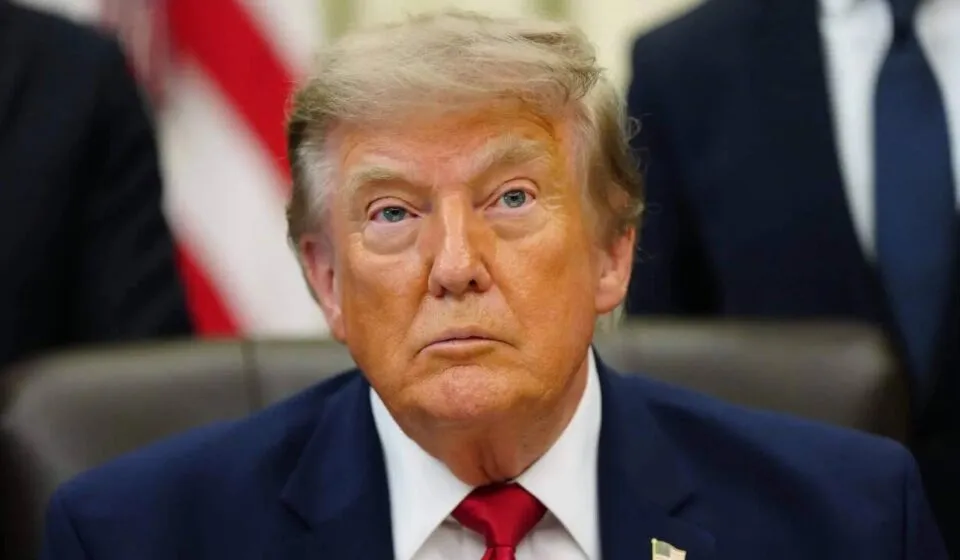
The Looming Threat of ‘Trump Tariffs’ and US Senate Action
The latest development, as reported, is the advancement of a Russia Sanctions Bill by the US Senate. While the specific details of this bill and its direct implications for India are yet to be fully elucidated, the mention of a potential