
A Resurgent Market: Indian Auto Sector’s Strong July Performance
The Indian automotive industry witnessed a remarkable surge in sales during July, with several leading manufacturers reporting record-breaking figures. This robust performance was largely propelled by an escalating demand for Sport Utility Vehicles (SUVs) and a significant acceleration in electric vehicle (EV) adoption. The impressive year-on-year growth across passenger vehicle segments underscores a buoyant market sentiment and evolving consumer preferences.
Amidst a landscape of new model introductions and an optimistic economic outlook, companies like Maruti Suzuki, Tata Motors, Mahindra, Hyundai, Kia India, and Nissan all contributed to a vibrant sales chart, signaling a strong recovery and expansion within the sector.
The Dominance of SUVs: Fueling Growth Across Brands
The consistent thread running through the July sales reports is the overwhelming popularity of Sport Utility Vehicles. Consumers are increasingly gravitating towards SUVs for a variety of reasons, including their perceived safety, higher ground clearance suitable for Indian road conditions, spacious interiors, and aspirational value. This trend has prompted automakers to strategically focus on expanding their SUV portfolios, a move that has clearly paid dividends.
- Maruti Suzuki’s Strategic Shift: India’s largest carmaker, Maruti Suzuki, successfully crossed the monumental 2 lakh unit sales mark in July, a testament to its diversified lineup and recent emphasis on SUVs. Their new SUV offerings have effectively captured market share, complementing their traditional strongholds in compact and entry-level segments.
- Hyundai and Kia India’s Best-Ever July: Both Korean automakers, Hyundai and Kia India, posted their highest-ever July wholesale volumes. This milestone was directly attributable to their formidable SUV lineups, which include popular models that have consistently resonated with Indian buyers. Their aggressive product strategies and feature-rich vehicles have cemented their positions in the competitive SUV space.
- Mahindra’s Utility Vehicle Prowess: Mahindra, a brand synonymous with utility vehicles, continued its strong run, reporting substantial increases in its utility vehicle sales. Their rugged and feature-packed SUVs, catering to a wide range of customers from urban dwellers to adventure enthusiasts, remain a cornerstone of their market strategy.
- Nissan’s Tekton Effect: Nissan experienced a significant boost in domestic wholesales, primarily driven by the deliveries of its new Tekton SUV. This highlights how a strategic new model launch in the highly sought-after SUV segment can dramatically alter a company’s sales trajectory and market presence.
Tata Motors and the Electric Vehicle Revolution
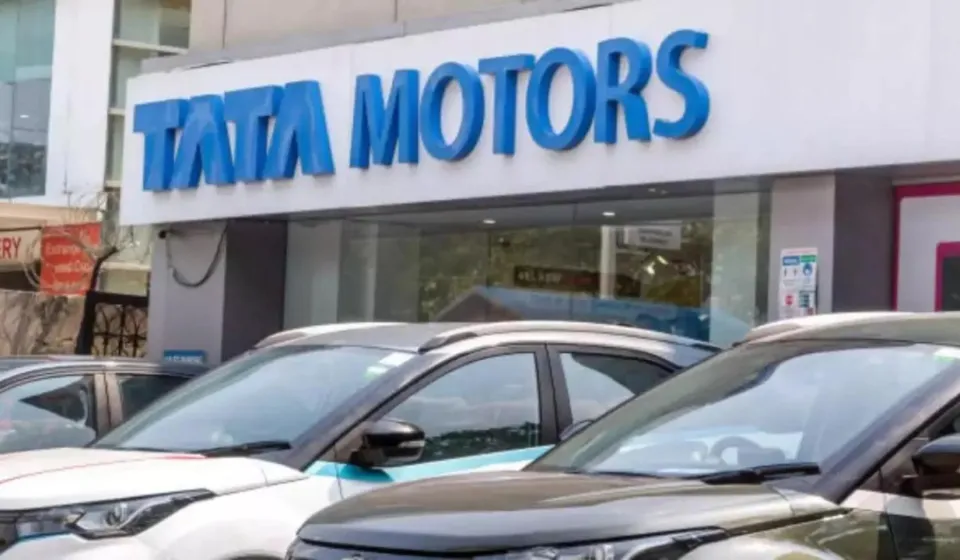
While SUVs were a universal growth driver, Tata Motors stood out with its exceptional performance in the electric vehicle segment. The company reported significant year-on-year growth in its overall passenger vehicle sales, but the doubling of its EV sales was a particularly noteworthy achievement. This demonstrates a burgeoning acceptance of electric mobility in India and Tata Motors’ leadership in pioneering the mass-market EV segment.
Factors contributing to this EV surge include:
- Increasing awareness about environmental benefits.
- Rising fuel costs making EVs a more economical long-term option.
- Expanding charging infrastructure, albeit still nascent.
- Government incentives and subsidies promoting EV purchases.
- Tata Motors’ diverse EV portfolio, offering models across different price points and body types.
The doubling of EV sales by Tata Motors is a crucial indicator of the future direction of the Indian automotive market, suggesting a pivotal shift towards sustainable transportation solutions.
Market Dynamics and Consumer Confidence
The robust sales figures in July are indicative of several underlying market dynamics:
- Improved Economic Sentiment: A general improvement in economic conditions, coupled with stable interest rates, has boosted consumer confidence, encouraging discretionary spending on big-ticket items like automobiles.
- Festival Season Anticipation: Automakers are also strategically ramping up production and sales in anticipation of the upcoming festive season in India, which traditionally sees a spike in vehicle purchases. July’s performance could be an early indicator of a strong festive period.
- New Model Launches: The continuous introduction of fresh models, especially in the high-demand SUV segment, keeps the market dynamic and offers consumers more choices with advanced features and technologies.
- Rural Market Contribution: While urban demand remains strong, a healthy monsoon and improved agricultural output could also be contributing to increased sales from rural and semi-urban areas, further broadening the market base.
The competitive landscape among manufacturers is also driving innovation and value for customers, with companies striving to offer compelling packages of features, performance, and after-sales service.
Outlook: Sustaining the Momentum
The strong performance in July sets an optimistic tone for the remainder of the year for the Indian automotive industry. With new models in the pipeline, particularly in the SUV and EV segments, and continued efforts by manufacturers to meet evolving consumer demands, the momentum is expected to persist.
However, challenges such as global supply chain disruptions, fluctuating raw material prices, and the need for robust charging infrastructure for EVs will require continuous attention. Nevertheless, the July sales figures firmly establish the Indian auto sector’s resilience and its capacity for impressive growth, driven by strategic product development and a keen understanding of market trends.
Conclusion
July 2023 proved to be a landmark month for the Indian automotive industry, with record sales driven predominantly by the insatiable demand for SUVs and the accelerating adoption of electric vehicles. Major players like Maruti Suzuki, Tata Motors, Mahindra, Hyundai, Kia India, and Nissan all contributed significantly to this growth story, showcasing the market’s vitality. As consumer preferences continue to evolve and technological advancements push the boundaries, the Indian auto sector is poised for sustained expansion, with SUVs and EVs at the forefront of this exciting transformation.