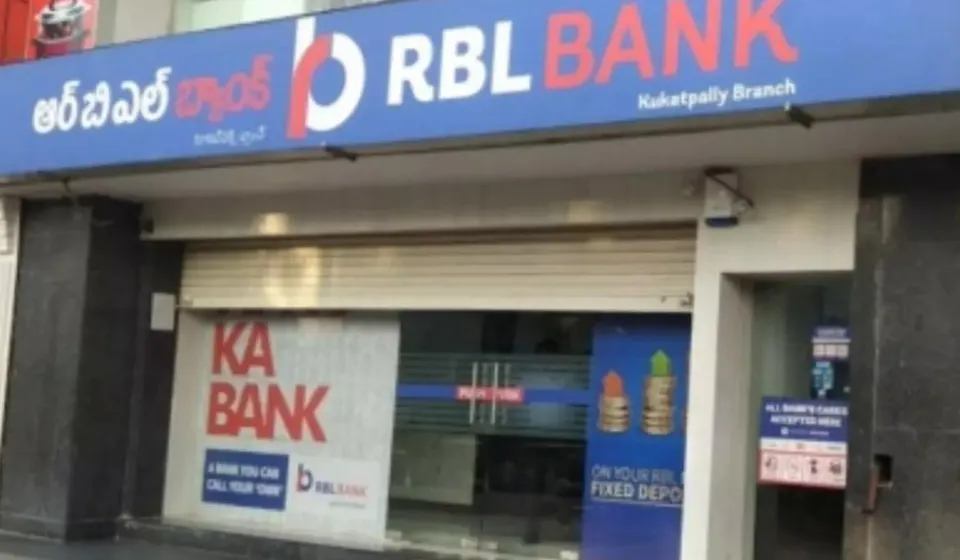
Moody’s Assigns Inaugural Baa2 Rating to RBL Bank: A Landmark Achievement for the Indian Lender

A New Milestone: RBL Bank Secures Investment Grade Rating from Moody’s
In a significant development for the Indian financial sector, Moody’s Investors Service, a leading global credit rating agency, has assigned a Baa2 rating to RBL Bank. This marks the first time the Mumbai-headquartered private sector lender has received such a rating, placing it firmly within the investment-grade category. The inaugural Baa2 rating is a testament to RBL Bank’s strengthened financial profile, strategic initiatives, and improved operational resilience, signaling enhanced confidence from international credit assessors.
This achievement is not merely a technical classification; it carries profound implications for RBL Bank’s future growth trajectory, its ability to attract diverse funding, and its standing within the competitive landscape of Indian banking. For a bank that has undergone significant transformation and strategic recalibration in recent years, securing an investment-grade rating from a globally respected agency like Moody’s underscores a period of sustained improvement and prudent management.
Understanding Global Credit Ratings and Moody’s Role
Credit ratings are crucial tools in the global financial markets, serving as independent assessments of an entity’s ability to meet its financial obligations. They provide investors, lenders, and other stakeholders with an objective measure of credit risk, influencing investment decisions, borrowing costs, and overall market perception. Among the ‘Big Three’ global credit rating agencies – Standard & Poor’s, Fitch Ratings, and Moody’s Investors Service – Moody’s holds considerable sway, with its ratings widely recognized and respected across international capital markets.
Moody’s evaluates a wide array of factors when assigning ratings, including financial performance, asset quality, capital adequacy, liquidity, management quality, governance standards, and the broader economic and regulatory environment. These assessments are dynamic, reflecting ongoing changes in an entity’s financial health and operating context. For banks, a favorable credit rating can significantly de-risk their profile in the eyes of investors, opening doors to more diversified and cost-effective funding avenues, both domestically and internationally.
Decoding the Baa2 Rating: What it Means for RBL Bank
Moody’s credit rating scale ranges from Aaa (highest quality, minimal credit risk) to C (lowest rated, typically in default). The ‘Baa’ category signifies medium-grade obligations, subject to moderate credit risk. Within this category, Baa2 indicates a mid-level rating, implying that while RBL Bank’s obligations are considered medium-grade and subject to moderate credit risk, they are still deemed investment-grade. This is a critical distinction.
An investment-grade rating is typically sought after by institutional investors, such as pension funds, insurance companies, and sovereign wealth funds, many of whom have mandates to only invest in instruments rated ‘Baa3’ or higher by Moody’s (or equivalent ratings from other agencies). By achieving a Baa2 rating, RBL Bank now becomes accessible to a broader pool of sophisticated investors, potentially enhancing demand for its debt instruments and equity offerings.
- Investment Grade Status: Confirms the bank’s fundamental creditworthiness and reduced default risk.
- Moderate Credit Risk: While not without risk, it signifies a generally stable financial position.
- Enhanced Market Access: Opens doors to a wider range of institutional investors globally.
- Lower Cost of Capital: Typically translates to more favorable borrowing terms for the bank.
RBL Bank: A Profile of Growth and Transformation
RBL Bank, formerly known as Ratnakar Bank, has a rich history dating back to 1943 when it was established as a small regional bank in Maharashtra. Over the decades, particularly in the last 15-20 years, it has undergone a dramatic transformation, evolving into a dynamic, full-service private sector bank with a national footprint. This transformation involved significant capital infusion, strategic restructuring, and an aggressive expansion into diverse business segments.
The bank’s business model is diversified, encompassing corporate and institutional banking, commercial banking, branch and business banking, retail assets, and financial inclusion. RBL Bank has been particularly focused on leveraging technology to enhance its customer experience and operational efficiency. In recent years, the bank has also paid close attention to strengthening its asset quality, improving its risk management frameworks, and bolstering its capital buffers – efforts that have undoubtedly contributed to its improved credit standing.
The journey has not been without its challenges, including periods of heightened scrutiny on asset quality across the Indian banking sector. However, RBL Bank’s sustained efforts to navigate these challenges, coupled with its strategic focus on profitable growth and robust governance, appear to have resonated positively with credit rating agencies.
The Journey to Baa2: Key Factors Considered by Moody’s
Moody’s comprehensive assessment would have delved into several critical aspects of RBL Bank’s operations and financial health. While the specific details of Moody’s rationale are not fully public, general factors contributing to such a rating typically include:
- Improved Asset Quality: A sustained reduction in non-performing assets (NPAs) and robust provisioning coverage indicate better risk management and a healthier loan book.
- Capital Adequacy: Sufficient capital buffers to absorb potential losses, exceeding regulatory requirements, instills confidence in the bank’s solvency.
- Profitability and Earnings Stability: Consistent and diversified revenue streams, coupled with controlled operating expenses, demonstrate sustainable financial performance.
- Liquidity Management: A strong liquidity profile, characterized by diversified funding sources and adequate liquid assets, ensures the bank can meet its short-term obligations.
- Governance and Management Quality: Effective leadership, sound corporate governance practices, and a clear strategic vision are paramount for long-term stability.
- Market Position and Franchise Strength: The bank’s competitive standing, customer base, and ability to generate business across different segments.
- Supportive Operating Environment: A stable and growing Indian economy, coupled with a robust regulatory framework, provides a conducive environment for banking operations.
The Baa2 rating suggests that Moody’s views RBL Bank’s overall financial strength and risk management practices as having reached a level commensurate with a moderate credit risk profile, capable of withstanding various economic cycles.
Implications for RBL Bank’s Future Trajectory
The Baa2 rating from Moody’s is set to unlock several strategic advantages for RBL Bank:
- Enhanced Access to Capital Markets: The investment-grade status will make it easier and more attractive for RBL Bank to raise funds from both domestic and international debt markets, including bonds and other debt instruments.
- Lower Cost of Funding: With a reduced perception of risk, the bank is likely to command lower interest rates on its borrowings, thereby improving its net interest margins and overall profitability.
- Increased Investor Confidence: The rating serves as a strong signal to existing and potential investors, both institutional and retail, about the bank’s financial stability and prudent management, potentially attracting new equity investments.
- Improved Competitive Positioning: In India’s highly competitive banking sector, an investment-grade rating enhances RBL Bank’s brand reputation and credibility, potentially attracting new corporate clients and high-net-worth individuals.
- Regulatory Advantages: In some jurisdictions, certain regulatory capital treatments or investment mandates are linked to credit ratings, which could offer indirect benefits.
- Facilitating Growth and Expansion: With easier access to capital at lower costs, RBL Bank will be better positioned to fund its strategic growth initiatives, expand its loan book, and invest in technology and infrastructure.
Broader Context: The Indian Banking Landscape
The Indian banking sector is a cornerstone of the nation’s economy, characterized by a mix of public sector banks, private sector banks, and foreign banks. Regulated by the Reserve Bank of India (RBI), the sector has undergone significant reforms aimed at strengthening financial stability, promoting financial inclusion, and fostering digital transformation.
In recent years, Indian banks have focused heavily on resolving legacy asset quality issues, recapitalization, and enhancing their risk management frameworks. The improving macroeconomic environment in India has also contributed to a healthier operating landscape for banks. Against this backdrop, RBL Bank’s achievement of an investment-grade rating reflects not only its individual strengths but also the broader trend of improving financial health among well-managed private sector lenders in the country.
Such ratings are crucial for India’s integration into global financial markets, as they provide international investors with standardized metrics for assessing risk. As India continues its growth trajectory, the robustness and transparency of its banking sector, as evidenced by independent credit ratings, will be vital for attracting foreign capital and sustaining economic development.
Conclusion
The assignment of a Baa2 rating by Moody’s Investors Service marks a pivotal moment in RBL Bank’s journey. It validates the bank’s strategic efforts in strengthening its financial fundamentals, enhancing its asset quality, and reinforcing its governance framework. This investment-grade recognition is poised to provide RBL Bank with greater financial flexibility, improved market access, and a stronger foundation for sustainable growth in the years to come. For stakeholders, it signals a renewed confidence in the bank’s long-term stability and its ability to navigate the dynamic Indian financial landscape effectively.