Red Sea Under Siege: How Saudi Oil Tankers for India Navigate Peril by ‘Going Dark’ Amid Houthi Threats

Introduction: A Shadowy Path Through the Red Sea
The vital Red Sea shipping lane, a linchpin of global commerce, has become a hotbed of geopolitical tension and maritime insecurity. Recent attacks by Yemen’s Houthi rebels on commercial vessels have sent ripples through international trade, compelling shipping companies and energy importers to adopt unprecedented measures. Among the most striking responses is the reported practice of oil tankers carrying Saudi crude for India switching off their Automatic Identification System (AIS) transponders, effectively ‘going dark,’ to evade detection. This high-stakes maneuver underscores the profound challenges facing the energy supply chain, prompting Indian refiners to increasingly opt for purchasing Middle Eastern crude on a ‘delivered basis,’ shifting the burden of risk from buyer to seller.
This article delves into the escalating crisis in the Red Sea, the strategic implications for India’s energy security, the controversial practice of ‘going dark,’ and the broader ramifications for global shipping and crude oil markets.
Escalating Tensions and Houthi Assertions
Since late 2023, the Red Sea, particularly the narrow Bab el-Mandeb Strait, has witnessed a significant surge in attacks orchestrated by the Iran-backed Houthi movement. These assaults, involving drones and missiles, have primarily targeted vessels perceived to have links to Israel, the United States, or the United Kingdom, which the Houthis claim are in retaliation for the conflict in Gaza. The group has declared its intent to disrupt maritime traffic to pressure international actors regarding the Palestinian issue, effectively turning a critical global waterway into a conflict zone.
The Houthi’s capabilities, though asymmetric, have proven sufficient to sow fear and disrupt the established norms of international shipping. Their repeated strikes have forced major shipping lines to reroute vessels around Africa’s Cape of Good Hope, adding significant time, cost, and fuel consumption to journeys that would typically traverse the Suez Canal and Red Sea.
The Strategic Choke Point: Bab el-Mandeb Strait
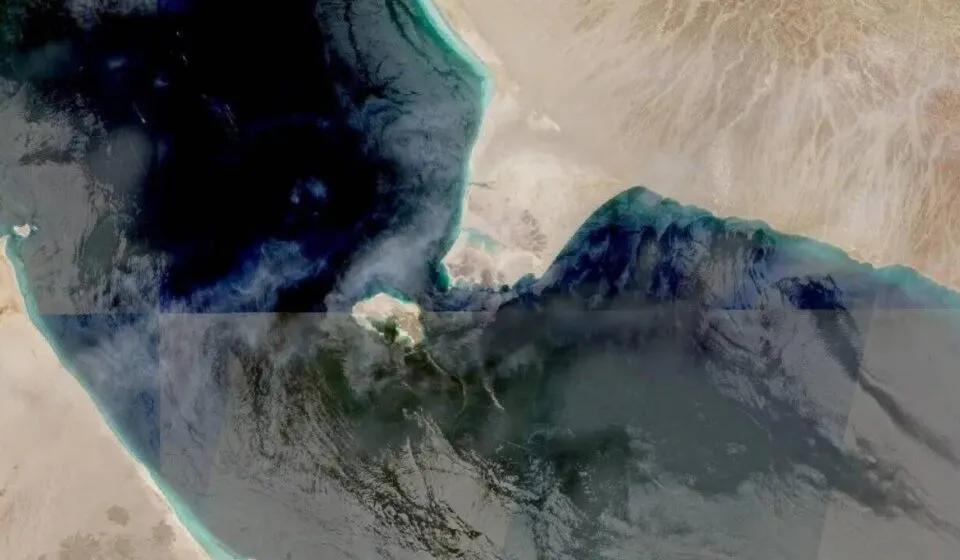
The Bab el-Mandeb Strait, meaning ‘Gate of Tears’ in Arabic, is a mere 18 miles wide at its narrowest point, connecting the Red Sea to the Gulf of Aden and the Arabian Sea. This geographical bottleneck is one of the world’s most critical maritime choke points, through which an estimated 12% of global trade and a significant portion of the world’s oil and gas supplies pass daily. For Middle Eastern crude oil, much of which is destined for Asian markets like India, passing through this strait is the most direct and economically viable route.
Disruptions here have immediate and far-reaching consequences:
- Increased Transit Times: Rerouting around the Cape of Good Hope adds 10-14 days to a journey.
- Higher Fuel Costs: Longer distances mean greater fuel consumption.
- Elevated Insurance Premiums: War risk premiums for vessels transiting the Red Sea have skyrocketed.
- Supply Chain Delays: Impacts just-in-time inventory systems globally.
India’s Energy Security: A Direct Impact
As the world’s third-largest crude oil importer and consumer, India’s energy security is intrinsically linked to the stability of Middle Eastern oil supplies. A substantial portion of India’s crude oil imports, particularly from Saudi Arabia, traverses the Red Sea. The Houthi attacks, therefore, pose a direct threat to India’s economic stability and growth prospects.
The increased risks have forced Indian refiners to re-evaluate their procurement strategies. While the immediate impact on crude availability has been mitigated by global supply dynamics, the rising costs associated with shipping, insurance, and potential delays are a growing concern. These additional costs can ultimately translate into higher prices for consumers or reduced profitability for refiners.
Tankers ‘Going Dark’: A Risky Evasion Tactic
In response to the heightened threats, a concerning trend has emerged: oil tankers carrying Saudi crude destined for India are reportedly switching off their AIS transponders. AIS is a crucial maritime safety system that broadcasts a vessel’s position, course, and speed, allowing other ships and authorities to track its movements and prevent collisions. The act of ‘going dark’ means a vessel intentionally ceases broadcasting this information.
Reasons for this risky maneuver are primarily rooted in a desperate attempt to avoid detection and potential targeting by Houthi forces. By disappearing from public tracking systems, vessels hope to reduce their visibility as they navigate the perilous waters of the Red Sea.
However, this practice carries significant risks and implications:
- Increased Collision Risk: Without AIS, the risk of collisions with other vessels, especially in crowded or adverse weather conditions, dramatically increases.
- Lack of Oversight: It complicates search and rescue operations in case of an emergency and hinders efforts to monitor illegal activities like smuggling or illicit transfers.
- Insurance Issues: Operating without AIS can potentially void insurance policies or lead to disputes in the event of an incident.
- Reputational Damage: Vessels engaging in ‘dark’ activities can raise suspicions and potentially face scrutiny from port authorities upon arrival.
The Shift to ‘Delivered Basis’ Crude Contracts
The escalating risks have also prompted a significant shift in the commercial terms of crude oil procurement for Indian refiners. Traditionally, many crude oil purchases are made on a Free On Board (FOB) basis, where the buyer assumes ownership and responsibility for the cargo once it is loaded onto the vessel at the port of origin. This means the buyer is responsible for arranging and insuring the shipping.
However, Indian refiners are increasingly opting for purchases on a ‘delivered basis,’ which typically refers to Cost, Insurance, and Freight (CIF) or similar terms. Under these arrangements, the seller (e.g., Saudi Aramco or other Saudi oil entities) retains ownership and responsibility for the cargo, including its safe passage and insurance, until it is delivered to the buyer’s designated port in India. This contractual shift effectively transfers the maritime risk, including the risk of Houthi attacks and associated costs, from the Indian refiners to the Saudi sellers or their designated shipping partners.
While this provides a layer of protection for Indian buyers, it likely comes with a premium embedded in the crude price, as sellers factor in the increased risk and operational complexities. It also highlights the gravity of the situation, where traditional risk-sharing models are being re-evaluated in the face of unprecedented threats.
Broader Ramifications for Global Shipping and Energy Markets
The Red Sea crisis extends beyond the immediate concerns of Saudi-India oil trade. Its broader implications are felt across the global economy:
- Global Shipping Costs: The rerouting of vessels around Africa adds billions of dollars in annual shipping costs, impacting various industries from consumer goods to manufacturing.
- Inflationary Pressures: Higher shipping costs, combined with increased insurance premiums and longer transit times, contribute to inflationary pressures globally.
- Energy Price Volatility: While global oil markets have shown resilience, a sustained or escalating crisis in the Red Sea could lead to significant price spikes, especially if major disruptions to supply occur.
- Geopolitical Instability: The crisis underscores the fragility of global supply chains and the potential for regional conflicts to have worldwide economic repercussions.
- Calls for International Action: The situation has spurred international efforts, such as multinational naval operations, aimed at securing the Red Sea, though their effectiveness in completely deterring attacks remains a challenge.
Conclusion: Navigating a New Era of Maritime Risk
The Red Sea crisis represents a pivotal moment in maritime security, forcing fundamental changes in how global trade, particularly energy supplies, is conducted. The practices of ‘going dark’ by Saudi oil tankers and the shift to ‘delivered basis’ contracts by Indian refiners are stark indicators of the severity of the threat posed by Houthi attacks. While these measures offer temporary solutions for navigating immediate dangers and mitigating financial risks for buyers, they also introduce new complexities and underscore the urgent need for a stable and secure maritime environment.
The long-term implications are clear: global supply chains remain vulnerable to geopolitical flashpoints, and the cost of maintaining energy security in an increasingly volatile world continues to rise. The international community faces the critical task of restoring stability to the Red Sea, ensuring the free flow of goods, and safeguarding the arteries of global commerce against further disruption.