
A Brewing Storm: FIFA’s Commercial Ambitions Spark Global Outcry
The world of football is currently embroiled in a significant power struggle, as FIFA’s ambitious plan to sell a 20% stake in a new commercial subsidiary for an estimated $20 billion has ignited fierce opposition from some of the sport’s most powerful governing bodies. Spearheaded by UEFA, European football’s governing body, along with England’s Football Association (FA) and Concacaf (the confederation for North, Central America, and Caribbean Association Football), concerns over transparency, governance, and the future control of football’s crown jewels have reached a boiling point. The escalating tensions have led to the extraordinary consideration of a World Cup boycott, a move that would send seismic waves through the global sporting landscape.
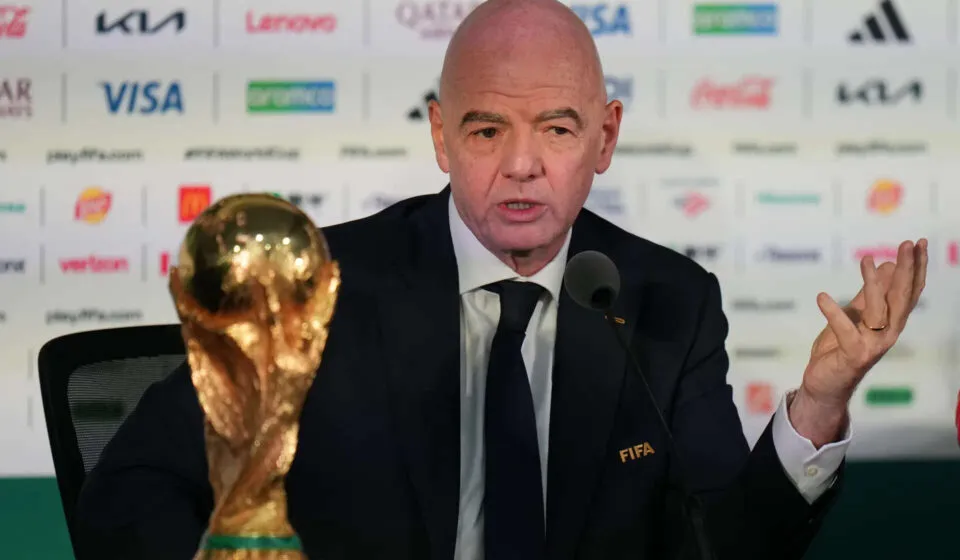
FIFA President Gianni Infantino has consistently championed the proposal, asserting that the deal is crucial for unlocking a staggering $10 billion in funding for member associations through 2030. This financial injection, he argues, would provide unprecedented resources for football development worldwide, particularly benefiting smaller nations and grassroots initiatives. However, his vision faces formidable resistance from confederations wary of ceding control and suspicious of the deal’s opaque nature.
The Anatomy of FIFA’s Monumental Commercial Plan
At the heart of the dispute is FIFA’s proposal to create a new commercial entity, provisionally valued at $20 billion, which would consolidate and manage the commercial rights to several key FIFA tournaments, most notably the highly lucrative FIFA World Cup. The plan involves selling a 20% equity stake in this new subsidiary to external investors, a move FIFA believes will optimize revenue generation and streamline commercial operations.
The projected $10 billion in direct funding for member associations is a central pillar of Infantino’s justification. This capital, he suggests, would be distributed to 211 national federations, empowering them to invest in vital areas such such as:
- Infrastructure development (stadiums, training facilities)
- Youth academies and talent development programs
- Growth of women’s football
- Refereeing and coaching education
- Operational support for smaller associations
Proponents argue that this external investment model offers a sustainable and robust financial foundation for global football development, moving beyond traditional sponsorship and media rights deals to tap into new streams of capital.
Transparency, Governance, and the Torrent of Opposition
Despite FIFA’s assurances, the plan has been met with a torrent of criticism, primarily centered on a perceived lack of transparency and significant governance concerns. UEFA, led by its president Aleksander Čeferin, has been particularly vocal, questioning the speed at which the deal is being pushed through and the apparent lack of detailed consultation with key stakeholders.
The core objections from UEFA, the FA, and Concacaf include:
- Lack of Transparency: Critics demand more clarity on who the potential investors are, the precise terms of the deal, and how the $20 billion valuation was reached. There is apprehension about external entities gaining significant influence over football’s future direction.
- Governance Implications: The creation of a new commercial subsidiary with external ownership raises questions about the ultimate control of football’s most valuable assets. Confederations fear a dilution of their own influence and a shift in power dynamics away from democratically elected football bodies.
- Financial Impact: While FIFA promises substantial new funding, there are concerns about the long-term financial implications for existing revenue streams of confederations and national leagues. Would this new entity cannibalize existing commercial opportunities or create conflicts of interest?
- Consultation Process: Opponents argue that such a transformative proposal, affecting the very fabric of global football, requires extensive dialogue and consensus-building among all confederations and member associations, rather than being presented as a fait accompli.
The sentiment among dissenting bodies is that FIFA is attempting to unilaterally push through a deal with profound consequences, bypassing established protocols for collaboration and decision-making within the football ecosystem.
The Unthinkable: A World Cup Boycott Looms
The gravity of the situation is underscored by UEFA’s consideration of an emergency meeting, where a potential World Cup boycott is reportedly on the table. While such a drastic measure would be unprecedented in modern football, its mere mention highlights the depth of frustration and concern among Europe’s football elite.
A boycott by European nations would effectively cripple the FIFA World Cup. Europe is home to many of the world’s top footballing nations, star players, and a significant portion of the tournament’s global audience and commercial revenue. The absence of teams like Germany, France, Spain, England, and Italy would render the tournament a shadow of its former self, drastically reducing its sporting credibility, commercial appeal, and global viewership. The financial and reputational damage to FIFA would be immense, potentially jeopardizing its future stability.
While a boycott remains a nuclear option, its discussion serves as a powerful negotiating tactic, signaling to FIFA the seriousness with which the confederations view the proposed commercial restructuring.
A History of Power Struggles and Financial Reforms
This latest dispute is not an isolated incident but rather the latest chapter in a long-standing power struggle between FIFA and its powerful confederations, particularly UEFA. Historically, FIFA has been the subject of numerous controversies, most notably the widespread corruption scandals (often referred to as ‘Fifagate’) that rocked the organization in the mid-2010s. These scandals led to a period of intense scrutiny and calls for radical reforms aimed at improving transparency, governance, and ethical conduct.
Gianni Infantino, who took office in 2016 following Sepp Blatter’s tenure, pledged to usher in a new era of integrity and financial stability. While some reforms have been implemented, the current commercial proposal has reignited fears among critics that the organization may be reverting to old habits of centralized decision-making without sufficient checks and balances.
The World Cup remains FIFA’s primary revenue generator, funding its operations and development programs globally. The control and commercial exploitation of this flagship event are therefore central to the organization’s financial health and its ability to exert influence over the sport.
Broader Implications for the Global Game
The outcome of this standoff will have profound implications for the future of global football. It will determine:
- The Balance of Power: Will FIFA solidify its centralized control over football’s commercial destiny, or will the confederations successfully assert their collective influence?
- Commercial Landscape: How will the introduction of external investors reshape the commercial strategies and priorities of football? Will it lead to greater innovation or a more profit-driven approach at the expense of sporting integrity?
- Financial Equity: While the promise of $10 billion for development is alluring, the debate also touches upon how wealth is generated and distributed within football, and whether the proposed mechanism truly serves the long-term interests of all stakeholders.
This conflict underscores the inherent tension between the global aspirations of FIFA and the regional interests and established structures of its confederations. The future commercial direction of the world’s most popular sport hangs in the balance.
Conclusion: A Critical Juncture for Football’s Future
The confrontation between FIFA and key confederations over the proposed $20 billion commercial deal represents a critical juncture for international football. While FIFA President Gianni Infantino champions the plan as a vital source of funding for global development, the opposition, led by UEFA, raises serious and legitimate concerns about transparency, governance, and the fundamental control of the sport’s most valuable assets. The very real threat of a World Cup boycott highlights the immense stakes involved. The coming months will undoubtedly see intense negotiations and political maneuvering, as all parties seek a resolution that safeguards the integrity, financial stability, and future direction of the beautiful game. The outcome will shape not only FIFA’s legacy but the commercial and sporting landscape of football for decades to come.