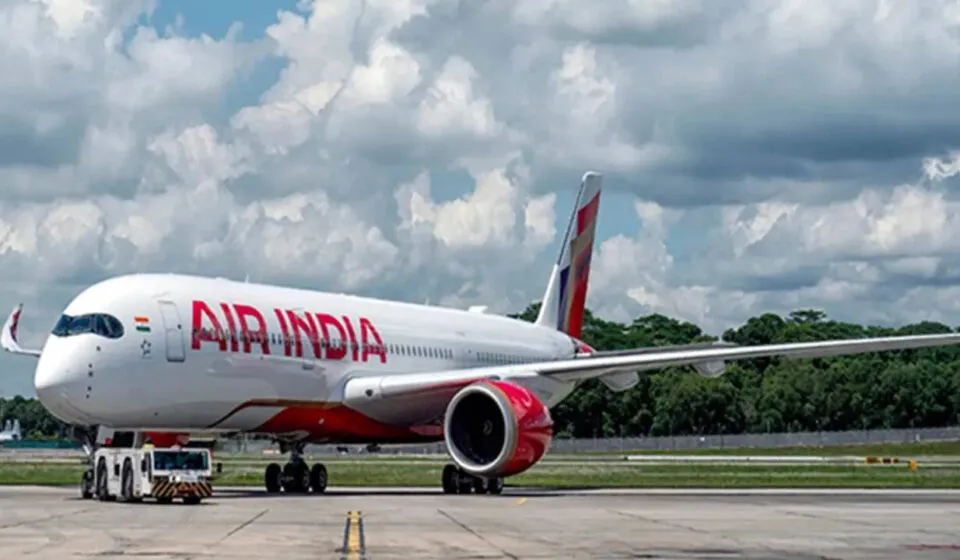
Air India’s Ambitious Decade-Long Transformation: Navigating Global Headwinds and Legacy Overhauls

The Dawn of a New Era: Air India’s Grand Revitalization
Air India, once the flag bearer of Indian aviation, is embarking on an ambitious transformation journey under the stewardship of Tata Sons. This monumental undertaking, aimed at restoring the airline to its former glory and establishing it as a world-class carrier, is now projected to span a decade. This extended timeline reflects a pragmatic assessment of the profound complexities involved, ranging from deep-seated legacy system overhauls to persistent global supply chain disruptions and an increasingly volatile geopolitical and economic landscape.
The announcement underscores the sheer scale of the challenge that Tata Sons has embraced since reacquiring the airline in January 2022. It signals a commitment to a thorough, rather than rushed, overhaul, acknowledging that a complete metamorphosis requires sustained effort, significant investment, and strategic resilience against external pressures.
A Storied Past and a Challenging Present
Air India’s history is intertwined with the very fabric of Indian aviation. Founded by J.R.D. Tata in 1932 as Tata Air Services, it was later nationalized in 1953. For decades, it was synonymous with luxury and service, earning the moniker ‘Maharaja’. However, years of government ownership led to mounting losses, operational inefficiencies, and a decline in service standards, culminating in its eventual sale back to the Tata Group.
The acquisition by Tata Sons was hailed as a homecoming, sparking optimism for the airline’s revival. The conglomerate’s vision, encapsulated in the ‘Vihaan.AI’ transformation program, aims to redefine Air India across five key pillars: exceptional customer experience, robust operations, industry-leading talent, comprehensive growth, and cutting-edge technology and innovation. This holistic approach recognizes that merely buying new planes is insufficient; a fundamental shift in culture, processes, and technological infrastructure is imperative.
The Vihaan.AI Blueprint: Pillars of Transformation
The ‘Vihaan.AI’ program is a multi-faceted strategy designed to address every aspect of Air India’s operations and customer touchpoints. Key initiatives include:
- Fleet Modernization and Expansion: A cornerstone of the transformation is the historic order for 470 new aircraft from Airbus and Boeing. This massive acquisition, comprising wide-body and narrow-body jets, is set to significantly upgrade and expand Air India’s fleet, enabling it to serve more domestic and international routes with modern, fuel-efficient aircraft.
- Enhancing Customer Experience: This involves extensive cabin refurbishments across existing aircraft, introduction of new in-flight entertainment systems, upgraded catering services, and improved lounge experiences. The goal is to elevate every aspect of the passenger journey to global standards.
- Operational Excellence: Efforts are focused on streamlining ground operations, improving on-time performance, and enhancing maintenance protocols to ensure reliability and safety.
- Talent Development and Culture Change: Investing in training for pilots, cabin crew, and ground staff is crucial. This also includes fostering a service-oriented culture throughout the organization, a significant shift from its previous bureaucratic structure.
- Digital Transformation: Overhauling decades-old legacy IT systems is paramount. This includes implementing new booking platforms, modernizing back-office operations, and leveraging data analytics to improve efficiency and personalize customer interactions.
Navigating a Labyrinth of Challenges
The extended decade-long timeline is a testament to the formidable obstacles Air India faces. These challenges are not merely internal but are significantly exacerbated by external global dynamics:
Persistent Supply Chain Disruptions
The global aviation industry continues to grapple with the aftermath of the pandemic, leading to widespread supply chain bottlenecks. For Air India, this translates into:
- Aircraft Delivery Delays: Manufacturing backlogs for new aircraft and components mean that the integration of new planes into the fleet will be a staggered process, impacting network expansion plans.
- Spare Parts Shortages: Availability of critical spare parts for maintenance and repairs can lead to aircraft groundings, affecting operational efficiency and schedule integrity.
- Cabin Component Delays: Refurbishing existing aircraft with new seats, galleys, and in-flight entertainment systems is often delayed due to the slow delivery of specialized components.
Overhauling Complex Legacy Systems
Air India’s pre-privatization era left behind a patchwork of outdated and disparate IT systems. Integrating and modernizing these systems is an immense undertaking:
- Data Migration Challenges: Moving vast amounts of operational, customer, and financial data from old to new platforms is complex and prone to errors.
- System Integration: Ensuring seamless communication between various departments – from ticketing and reservations to crew scheduling and maintenance – requires sophisticated integration solutions.
- Workforce Retraining: Employees need extensive training on new software and processes, which is a time-consuming and resource-intensive endeavor.
Global Economic and Geopolitical Volatility
The aviation sector is acutely sensitive to global events, and Air India is no exception:
- Fuel Price Fluctuations: Geopolitical conflicts and supply-demand imbalances can lead to volatile crude oil prices, directly impacting airline operational costs, which are typically the largest expense.
- Global Conflicts and Airspace Restrictions: Events like regional conflicts can lead to airspace closures, forcing airlines to reroute flights, increasing flight times, fuel consumption, and operational expenses.
- Foreign Exchange Volatility: A significant portion of an airline’s expenses, including aircraft purchases, lease payments, maintenance, and international fuel uplift, are denominated in foreign currencies. Fluctuations in exchange rates can severely impact profitability.
- Inflationary Pressures: Rising inflation globally affects the cost of everything from catering and ground handling to labor and spare parts, adding to the financial burden of transformation.
The Sheer Scale of Integration
Beyond its own revitalization, Air India is also in the process of integrating other airlines within the Tata Group’s aviation portfolio, including Vistara, Air India Express, and AIX Connect (formerly AirAsia India). This consolidation aims to create a more streamlined and dominant entity but adds layers of complexity in terms of merging cultures, fleets, routes, and operational procedures.
A Realistic Horizon for Revival
The decade-long projection, while seemingly lengthy, underscores a realistic understanding of the monumental task at hand. It reflects a strategic decision to prioritize a thorough and sustainable transformation over quick fixes. A successful Air India will not only benefit the Tata Group but also significantly enhance India’s presence in the global aviation landscape, offering a world-class carrier that can compete effectively with established international players.
The journey will undoubtedly be fraught with continued challenges, but the commitment from Tata Sons and the comprehensive ‘Vihaan.AI’ program lay the groundwork for a future where Air India once again soars as a symbol of Indian pride and excellence.
Conclusion
Air India’s transformation into a leading global airline is a marathon, not a sprint. The decade-long timeline, influenced by complex internal overhauls and a turbulent global environment, is a pragmatic acknowledgement of the extensive effort required. With strategic vision, significant investment, and resilient execution, Tata Sons aims to meticulously rebuild Air India, positioning it as a formidable force in the competitive world of aviation and reclaiming its rightful place among the world’s premier carriers.