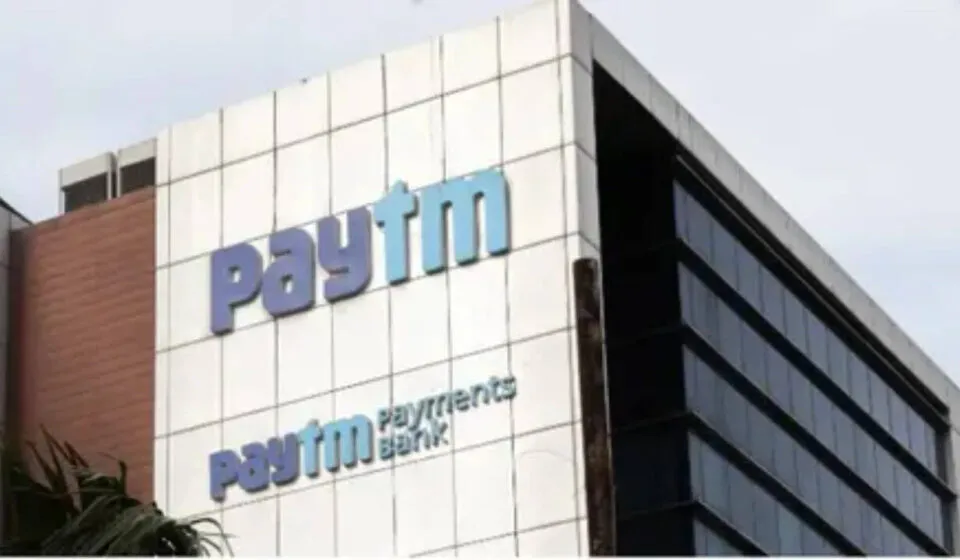

Delhi High Court Orders Winding Up of Paytm Payments Bank Following RBI License Revocation
In a significant development for India’s financial technology sector, the Delhi High Court has issued a directive for the winding up of Paytm Payments Bank. This judicial order comes as a direct consequence of the Reserve Bank of India’s (RBI) earlier decision to revoke the bank’s operating license. The court has appointed Girikumar M Nair as the official liquidator, tasked with overseeing the meticulous process of dissolving the payments bank’s operations and managing its assets and liabilities.
This move marks a critical juncture for one of India’s prominent fintech entities and underscores the stringent regulatory oversight exercised by the country’s financial authorities.
The Genesis of the Crisis: RBI’s Interventions
The journey leading to the winding-up order began several months prior with increasing scrutiny from the Reserve Bank of India. The central bank had expressed grave concerns regarding Paytm Payments Bank’s operational conduct and management practices. While specific details of these concerns have not been publicly elaborated in full, regulatory actions of this magnitude typically stem from issues pertaining to:
- Compliance Failures: Non-adherence to Know Your Customer (KYC) norms, anti-money laundering (AML) guidelines, and other regulatory frameworks.
- Governance Lapses: Deficiencies in board oversight, internal controls, and risk management systems.
- Technological Infrastructure: Weaknesses in IT systems that could pose risks to data security, operational resilience, or customer protection.
- Related Party Transactions: Concerns over the independence of the payments bank’s operations from its parent entity, One97 Communications.
The RBI, acting on its mandate to ensure the stability and integrity of the financial system, initially imposed various business restrictions on Paytm Payments Bank. These measures were intended to allow the bank to rectify its deficiencies. However, when these issues persisted and no satisfactory resolution was achieved, the RBI escalated its actions, culminating in the cancellation of the bank’s license with immediate effect. This decision effectively stripped Paytm Payments Bank of its ability to conduct any banking operations.
Understanding the Winding-Up Process
The winding-up of a company, particularly a regulated financial entity like a payments bank, is a complex legal and administrative procedure. The Delhi High Court’s order initiates this formal process, which will be overseen by the appointed official liquidator, Girikumar M Nair.
Role of the Official Liquidator
The official liquidator’s primary responsibilities include:
- Asset Realization: Identifying, securing, and liquidating all assets belonging to Paytm Payments Bank.
- Liability Assessment: Ascertaining the full extent of the bank’s liabilities, including deposits, outstanding payments to vendors, and other financial obligations.
- Creditor Management: Engaging with creditors, verifying their claims, and distributing proceeds from asset liquidation in accordance with legal priorities.
- Reporting: Providing regular reports to the High Court on the progress of the winding-up process.
The objective is to ensure an orderly cessation of the bank’s existence, protecting the interests of depositors and other stakeholders to the maximum extent possible under the law.
Impact on Customers and the Financial Landscape
The winding-up order will have significant implications for millions of customers who held accounts with Paytm Payments Bank, as well as for the broader fintech ecosystem in India.
For Customers
Customers of Paytm Payments Bank were previously advised by the RBI to transfer their balances to other banks and cease using their Paytm Payments Bank accounts. For any remaining balances, the Deposit Insurance and Credit Guarantee Corporation (DICGC), a subsidiary of the RBI, provides insurance cover for deposits up to a certain limit (currently INR 5 lakhs per depositor per bank). However, it’s crucial to understand the specific nature of payments banks.
- Deposit Limits: Payments banks are permitted to accept deposits up to INR 200,000 per individual customer.
- DICGC Coverage: While DICGC covers deposits in payments banks, the process of claiming funds during a winding-up can take time.
- Wallet Balances: Funds held in wallets linked to Paytm Payments Bank might have different implications depending on how they were structured and where the underlying funds were held.
The official liquidator will be responsible for guiding customers through the process of claiming any outstanding funds. It is imperative for affected customers to stay informed through official announcements from the liquidator and regulatory bodies.
Broader Implications for Fintech
This episode serves as a stark reminder to all financial technology companies about the paramount importance of regulatory compliance and robust governance. The RBI has consistently emphasized that innovation in fintech must not come at the expense of financial stability, consumer protection, or systemic integrity. The stringent action against Paytm Payments Bank sends a clear message that:
- Compliance is Non-Negotiable: Fintech firms, regardless of their technological prowess or market penetration, must adhere strictly to all banking regulations.
- Robust Governance: Strong internal controls, independent board oversight, and effective risk management frameworks are essential for sustainable operations.
- Consumer Protection: The interests of depositors and customers remain a top priority for regulators.
This event may prompt other payments banks and fintech companies to re-evaluate their compliance frameworks and operational practices, fostering a more disciplined and secure financial ecosystem.
The Evolution of Payments Banks in India
Payments Banks were introduced in India by the RBI in 2014, with the objective of furthering financial inclusion by providing small savings accounts and payments/remittance services to migrant labour workforce, low-income households, small businesses, and other unbanked and under-banked entities. Unlike traditional commercial banks, payments banks are restricted from undertaking lending activities or issuing credit cards.
Key characteristics of Payments Banks include:
- Acceptance of demand deposits (current account and savings account) up to a specified limit.
- Issuance of ATM/debit cards.
- Provision of internet banking and mobile banking services.
- Facilitation of domestic remittances.
- Distribution of non-risk sharing simple financial products like mutual funds and insurance products.
The model was designed to leverage technology for efficient and low-cost delivery of basic banking services. While several entities received licenses, not all have thrived, and some have faced challenges, making the regulatory environment for them particularly crucial.
Conclusion
The Delhi High Court’s order for the winding up of Paytm Payments Bank marks the final legal chapter in a series of regulatory actions initiated by the Reserve Bank of India. It underscores the unwavering commitment of Indian regulators to uphold financial integrity and protect consumer interests within a rapidly evolving digital payments landscape. As the official liquidator commences the intricate process of dissolution, the focus will remain on ensuring an orderly conclusion for the bank’s operations and addressing the concerns of its former customers. This development will undoubtedly resonate across the fintech industry, reinforcing the critical importance of robust compliance and governance for all financial service providers.