Ajinkya Rahane: The Unsung Architect of India’s Historic Australian Triumph, Gavaskar Draws Dravid Parallel

The Echo of Gavaskar: A Call for Recognition
In the annals of Indian cricket, certain figures quietly sculpt monumental achievements, their contributions often recognized more deeply by their peers than by the wider public. Sunil Gavaskar, a titan of the sport, recently illuminated one such career, drawing a profound parallel between Ajinkya Rahane and another revered statesman of Indian cricket, Rahul Dravid. Gavaskar’s commendation specifically highlighted Rahane’s extraordinary leadership during India’s historic 2020-21 Border-Gavaskar Trophy victory in Australia – a series that tested the very fabric of the Indian team and saw Rahane emerge as an inspirational, yet often uncredited, architect of success.
Gavaskar’s assertion that Rahane “never got the credit he deserved” resonates with many who witnessed the remarkable turnaround Down Under. His captaincy record, particularly in Test matches, stands as a testament to his strategic acumen and calm demeanor under pressure. This comparison to Dravid, known for his resilience, quiet determination, and unwavering commitment to the team, underscores the depth of respect Rahane commands within the cricketing fraternity, even if public adulation has sometimes lagged behind.
The Ashes of Adelaide: A Team on the Brink
To truly appreciate Rahane’s leadership, one must revisit the dire circumstances preceding his captaincy stint during that fateful Australian tour. The series began with an optimism tempered by the challenges of touring Australia, but nothing could have prepared the team or its fans for the calamity of the first Test in Adelaide. India, batting in their second innings, collapsed to their lowest ever Test score of 36 all out, suffering a humiliating eight-wicket defeat. It was a psychological blow of immense proportions, leaving the team demoralized and the cricketing world in shock.
Adding to the crisis, regular captain Virat Kohli departed after the Adelaide Test for paternity leave, leaving a leadership vacuum and a team reeling from a catastrophic loss. The immediate future looked bleak, with critics predicting a whitewash against a formidable Australian side on their home turf. The task of rallying the troops and instilling belief fell squarely on the shoulders of Ajinkya Rahane, the vice-captain, who was now thrust into the role of skipper for the remainder of the series.
Rahane’s Masterstroke: The Melbourne Miracle
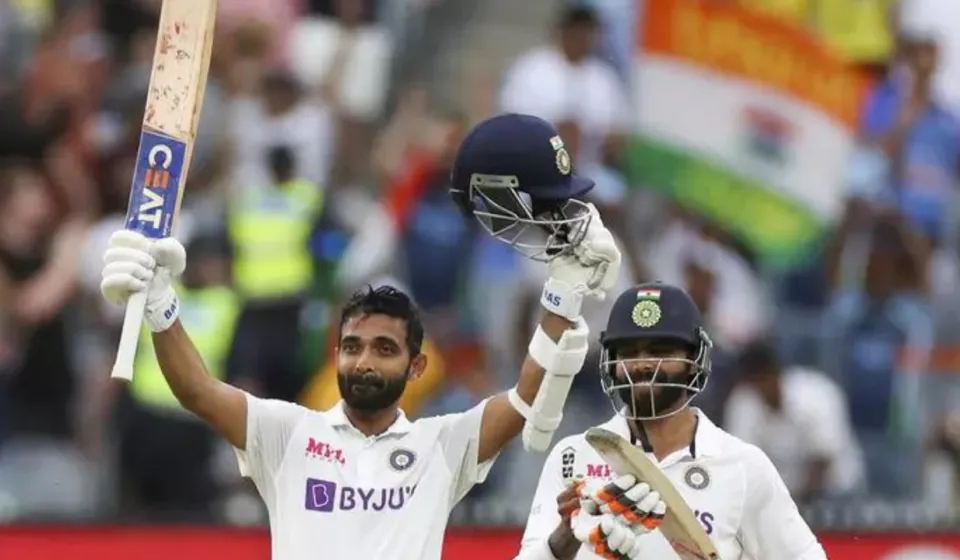
What followed in the Boxing Day Test at Melbourne was nothing short of a miracle. Rahane stepped into the captain’s shoes not just with a sense of duty, but with a clear vision and an unflappable resolve. He led from the front, both tactically and with the bat. His century in the first innings at the Melbourne Cricket Ground was a masterclass in resilience and technique, played under immense pressure. It was not merely a statistical milestone; it was a statement of intent, a beacon of hope that radiated through the dressing room and across the nation.
His innings of 112, coupled with his astute field placements and bowling changes, helped India seize control of the match. He nurtured debutants Shubman Gill and Mohammed Siraj, instilling confidence in them, and managed his depleted bowling attack with exceptional skill. India went on to win the Melbourne Test by eight wickets, leveling the series and injecting a much-needed dose of confidence into a bruised side. This victory was pivotal, turning the tide of the series and demonstrating Rahane’s profound impact.
A Captain’s Calm Amidst the Storm of Injuries
The challenges, however, were far from over. The tour continued to test India’s depth and resilience like never before, as a relentless wave of injuries swept through the squad. Key players fell like dominoes, forcing India to field increasingly inexperienced XIs. The list of injured stalwarts grew alarmously long:
- Mohammed Shami (fractured arm)
- Umesh Yadav (calf strain)
- Ravichandran Ashwin (back spasms)
- Ravindra Jadeja (thumb dislocation)
- Hanuma Vihari (hamstring tear)
- Jasprit Bumrah (abdominal strain)
- Rishabh Pant (elbow contusion)
- Mohammed Siraj (groin strain)
- Shardul Thakur (groin strain)
- Washington Sundar (hamstring strain)
By the time the fourth and final Test at the Gabba in Brisbane arrived, India was fielding a team featuring several debutants and net bowlers, against a full-strength Australian side that boasted an unbeaten record at the venue for over three decades. It was a David vs. Goliath scenario, amplified by the mental and physical fatigue of a long, challenging tour.
Throughout this ordeal, Rahane maintained a remarkably calm and composed demeanor. He shielded his young players from external pressure, offered consistent encouragement, and made shrewd tactical decisions that belied his limited experience as a Test captain. His leadership was not about grand gestures, but about quiet confidence, strategic clarity, and an unwavering belief in his team’s capabilities, regardless of the odds.
The Gabba Fortress Breached: A Testament to Resilience
The Gabba Test epitomized the spirit Rahane had fostered. Against all expectations, and with a makeshift team, India chased down a formidable target of 328 on the final day, securing a historic three-wicket victory. This win not only sealed the series 2-1 but also shattered Australia’s Gabba dominance, a feat considered one of the greatest upsets in Test cricket history. Rahane’s captaincy, though often overshadowed by the heroic individual performances of the young brigade, was the bedrock upon which this triumph was built.
His ability to inspire a group of unheralded cricketers to perform beyond their wildest dreams, to instil a sense of fearlessness and collective purpose, was truly remarkable. It reflected a leadership style that prioritized team welfare and individual empowerment, much like the qualities attributed to Rahul Dravid.
The Dravid Comparison: Quiet Strength and Unwavering Dedication
Gavaskar’s comparison of Rahane to Rahul Dravid is particularly insightful. Both players are known for their quiet professionalism, their focus on the team’s success over personal milestones, and their ability to perform under immense pressure without seeking the limelight. Dravid, often called ‘The Wall,’ was celebrated for his resilience, his technical prowess, and his selfless contributions, whether as a batsman, wicketkeeper, or captain. Rahane shares these fundamental traits:
- Calm Demeanor: Both exude a sense of calm on the field, even in the most tumultuous situations. This stoicism helps settle nerves within the team.
- Leading by Example: Their actions speak louder than words. Rahane’s Melbourne century, much like many of Dravid’s gritty innings, was a prime example of leading from the front.
- Team-First Mentality: Both have consistently put the team’s needs above individual glory, willing to adapt their roles for the collective good.
- Respect of Peers: Their integrity and dedication earn them immense respect from teammates and opponents alike.
- Tactical Acumen: While not always flamboyant, both possess a deep understanding of the game and make smart, calculated decisions.
Rahane’s captaincy record, which includes an unbeaten streak in Tests, further solidifies Gavaskar’s point. He has consistently delivered results when given the reins, demonstrating a natural aptitude for leadership that often goes unheralded in the larger narrative of Indian cricket.
Rahane’s Legacy: A Respected Figure
While Rahane’s career has seen its share of ups and downs, particularly with his batting form, his contributions to Indian cricket, especially as a leader, remain significant. He has always been a respected figure in the dressing room, a senior pro who commands attention through his actions rather than his words. His departure from the captaincy, and later from consistent national selection, does not diminish the immense respect he has earned from everyone involved in the sport – from teammates and coaches to opponents and legends like Sunil Gavaskar.
Ajinkya Rahane’s legacy is not just about the runs he scored or the catches he took; it is about the quiet strength he brought to the team, the unwavering belief he instilled, and the historic victory he orchestrated against all odds in Australia. He may not have always received the public fanfare, but his place as a pivotal, albeit understated, leader in Indian cricket history is firmly secured, a true testament to the quiet power of resilience and selflessness.