
Introduction: A Glimpse into Banking Cybersecurity Challenges
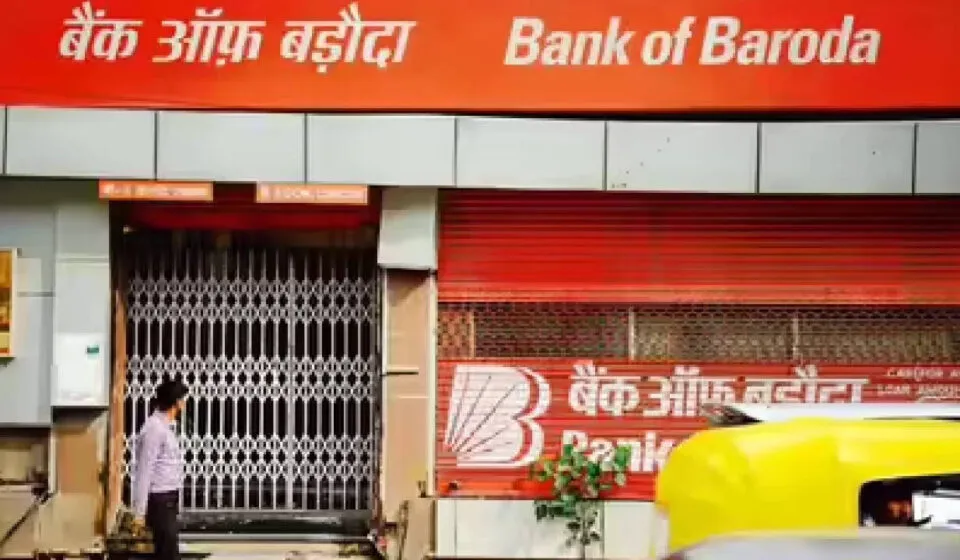
In an increasingly digital financial landscape, the security of sensitive customer data remains paramount. India’s banking sector, a cornerstone of the nation’s economy, frequently finds itself at the forefront of cyber threats. Recently, Bank of Baroda (BoB), one of India’s leading public sector banks, confirmed a data leak stemming from a compromised email account. This incident underscores the persistent and evolving challenges financial institutions face in protecting vast repositories of customer information from sophisticated cyberattacks.
The revelation by Bank of Baroda highlights a critical vulnerability often exploited by cybercriminals: the human element and the pervasive use of email in daily operations. While the full extent and nature of the leaked data are yet to be detailed publicly, such incidents invariably raise concerns among customers and regulators alike, emphasizing the urgent need for robust cybersecurity frameworks and heightened vigilance across the financial ecosystem.
The Incident: Bank of Baroda Acknowledges Breach via Email Compromise
Bank of Baroda’s statement attributing a recent data leak to a compromised email account brings into sharp focus the insidious nature of targeted cyberattacks. While specific details regarding the compromised email—whether it belonged to an individual employee, a departmental account, or a vendor—were not immediately disclosed, the acknowledgment itself serves as a crucial reminder of the weak links that can exist even within fortified digital infrastructures.
A compromised email typically grants unauthorized access to a wealth of information, from internal communications and confidential documents to customer details and operational directives. In a banking context, this could range from customer names and contact information to more sensitive details like account numbers or even Know Your Customer (KYC) documentation, depending on the scope of the accessed mailbox. The incident necessitates a thorough internal investigation by BoB to ascertain the full impact, identify affected customers, and implement remedial measures to prevent future occurrences.
The Criticality of Email Security in Banking Operations
Email, despite its ubiquitous presence, remains a high-risk vector for cyberattacks, especially within the financial sector. For banks, email serves as a primary mode of communication with customers, partners, and internal staff, making it an attractive target for malicious actors. Phishing attacks, where cybercriminals impersonate legitimate entities to trick recipients into revealing credentials or downloading malware, are a common method to compromise email accounts.
Once an email account within a banking system is compromised, attackers can:
- Gain unauthorized access to sensitive customer data.
- Launch further internal phishing attacks, leveraging the trusted sender’s identity.
- Intercept or alter financial transactions.
- Install malware or ransomware on the bank’s network.
- Access internal systems by exploiting credentials found in emails.
The incident at Bank of Baroda underscores the need for multi-layered email security protocols, including advanced threat detection, robust authentication mechanisms like Multi-Factor Authentication (MFA), and continuous employee training on cybersecurity best practices.
The Broader Landscape of Data Breaches in the Financial Sector
The Bank of Baroda incident is not an isolated event but rather a reflection of a global trend where financial institutions are increasingly targeted by sophisticated cybercriminals. Banks, by their very nature, hold vast amounts of valuable personal and financial data, making them prime targets for data theft, fraud, and extortion. The motivations behind these attacks vary, from financial gain and corporate espionage to state-sponsored sabotage.
In India, the Reserve Bank of India (RBI) has consistently emphasized the importance of robust cybersecurity frameworks for banks and financial entities. Despite stringent regulations and significant investments in security infrastructure, the sheer volume and complexity of digital transactions, coupled with the evolving tactics of cyber adversaries, present an ongoing challenge. High-profile breaches globally have demonstrated that no institution, regardless of its size or security posture, is entirely immune to cyber risks.
Potential Repercussions for Customers and the Bank
A data leak, particularly one involving a banking institution, carries significant repercussions for all stakeholders. For customers, the primary concerns revolve around:
- Identity Theft: Compromised personal data can be used to open fraudulent accounts, apply for loans, or engage in other forms of identity theft.
- Financial Fraud: Account numbers, if exposed, could lead to unauthorized transactions or targeted phishing attempts designed to extract more sensitive financial information.
- Loss of Trust: Customers may lose confidence in the bank’s ability to protect their assets and personal information, potentially leading to account closures or a general reluctance to engage with digital banking services.
- Privacy Concerns: The unauthorized access to personal data infringes upon an individual’s right to privacy, a growing concern in the digital age.
For Bank of Baroda, the implications are equally severe:
- Reputational Damage: A data leak can severely tarnish the bank’s image and erode public trust, impacting its market standing and customer acquisition efforts.
- Financial Penalties: Regulatory bodies, including the RBI, can impose hefty fines for non-compliance with data protection standards and security lapses.
- Legal Liabilities: The bank may face lawsuits from affected customers seeking compensation for damages incurred due to the breach.
- Increased Security Costs: Post-breach, banks often incur significant costs for forensic investigations, system upgrades, and enhanced security measures.
- Operational Disruption: Investigating and remediating a breach can divert significant resources and disrupt normal banking operations.
Bolstering Cybersecurity: Measures for Banks and Customers
The Bank of Baroda incident serves as a stark reminder that cybersecurity is a shared responsibility. Both financial institutions and their customers must adopt proactive measures to safeguard digital assets.
For Banks:
- Robust Email Security: Implement advanced email filters, anti-phishing solutions, and email encryption. Regularly audit email system configurations.
- Multi-Factor Authentication (MFA): Enforce MFA for all internal systems, especially email and critical applications, to add an extra layer of security beyond passwords.
- Employee Training: Conduct regular and comprehensive cybersecurity awareness training for all employees, focusing on recognizing phishing attempts, social engineering tactics, and safe data handling practices.
- Incident Response Plan: Develop and regularly test a detailed incident response plan to quickly detect, contain, eradicate, and recover from cyberattacks.
- Regular Audits and Penetration Testing: Continuously assess system vulnerabilities through independent security audits and penetration testing.
- Data Encryption: Encrypt sensitive data both in transit and at rest to protect it even if systems are breached.
- Least Privilege Access: Grant employees only the minimum necessary access to data and systems required for their roles.
For Customers:
- Strong, Unique Passwords: Use complex, unique passwords for all online accounts, especially banking services, and consider using a password manager.
- Enable MFA: Activate Multi-Factor Authentication wherever available for an added layer of security.
- Be Vigilant Against Phishing: Exercise extreme caution with unsolicited emails, messages, or calls asking for personal or financial information. Verify the sender’s identity before clicking links or downloading attachments.
- Monitor Account Statements: Regularly review bank statements and transaction history for any suspicious or unauthorized activity.
- Report Suspicious Activity: Immediately report any suspicious emails, calls, or account activity to the bank.
Regulatory Framework and Future Outlook in India
India’s regulatory landscape for data protection and cybersecurity is evolving. The Reserve Bank of India (RBI) has issued comprehensive guidelines for banks on information security, electronic banking, and IT risk management. These guidelines mandate robust security controls, regular audits, and prompt reporting of cyber incidents.
Furthermore, the recently enacted Digital Personal Data Protection Act (DPDP Act) 2023 signifies a major leap forward in India’s data privacy regime. This law imposes stricter obligations on organizations handling personal data, including banks, regarding data collection, storage, processing, and breach notification. Non-compliance can lead to substantial penalties, further incentivizing financial institutions to bolster their cybersecurity defenses and prioritize data privacy.
The BoB incident, occurring in this tightening regulatory environment, will likely be scrutinized under these new provisions, setting a precedent for how future data breaches are handled and reported by entities subject to the DPDP Act.
Conclusion: An Ongoing Battle for Digital Trust
The data leak at Bank of Baroda, stemming from a compromised email, serves as a powerful reminder that cybersecurity is an ongoing, dynamic battle. In an era where digital transactions are the norm, the integrity and security of financial data are non-negotiable. For banks, this necessitates continuous investment in advanced security technologies, rigorous employee training, and a proactive approach to threat intelligence.
Ultimately, maintaining customer trust in the digital age hinges on a bank’s demonstrated commitment to safeguarding their most sensitive information. Incidents like these, while unfortunate, catalyze renewed efforts to fortify digital perimeters and ensure that the convenience of digital banking does not come at the cost of security and privacy.