India Embraces Polymer: Government Greenlights 2 Billion New Banknotes for Enhanced Durability

India Embraces Polymer: Government Greenlights 2 Billion New Banknotes for Enhanced Durability
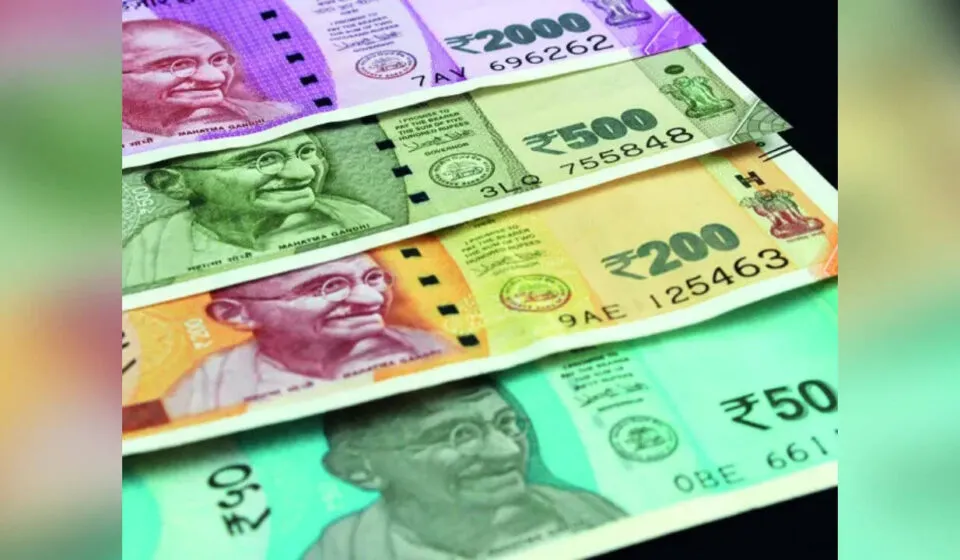
India is on the cusp of a significant transformation in its currency landscape. The government has officially given its nod to the Reserve Bank of India (RBI) to commence the printing of a staggering two billion polymer banknotes. This monumental decision marks a pivotal step towards enhancing the durability and longevity of the nation’s currency, with the initial rollout focusing on the widely used Rs 10 and Rs 20 denominations.
This initiative is not merely about introducing new material; it represents a strategic move to address the perennial challenges faced by paper currency in a tropical climate and high-circulation environment. While these new polymer notes will be introduced for both extensive field trials and eventual regular issuance, the Ministry has assured the public that traditional paper banknotes will continue to circulate alongside their polymer counterparts, ensuring a smooth and gradual transition.
The Imperative for Change: Why Polymer?
For decades, paper currency has served as the backbone of India’s economy. However, the lifespan of traditional cotton-based banknotes is often curtailed by several factors:
- Environmental Wear: India’s diverse climate, characterized by humidity and heat, accelerates the degradation of paper notes.
- High Circulation: The sheer volume of transactions means notes are frequently handled, leading to rapid wear and tear.
- Hygiene Concerns: Paper notes can harbor microbes, posing public health considerations.
- Security Vulnerabilities: While security features are constantly updated, the material itself can be more susceptible to counterfeiting compared to advanced polymers.
The introduction of polymer banknotes is a direct response to these issues. Made from a type of plastic, typically biaxially oriented polypropylene (BOPP), these notes are designed to be significantly more resilient than their paper predecessors.
Global Precedent: Polymer Currency Worldwide
India’s move towards polymer currency is part of a growing global trend. Several countries have successfully adopted polymer banknotes, reaping benefits in terms of cost-effectiveness, durability, and enhanced security.
Australia pioneered the use of polymer banknotes in 1988 and transitioned completely by 1996. Since then, nations like Canada, the United Kingdom, New Zealand, Singapore, and Vietnam have followed suit. Their experiences have consistently demonstrated the advantages of polymer over paper, including a lifespan that can be two to four times longer.
The global shift provides a valuable blueprint for India, allowing the RBI to learn from established practices and adapt them to the unique requirements of the Indian financial ecosystem.
Key Details of the Government’s Approval
The recent government directive empowers the RBI to move forward with this ambitious project. Here are the crucial aspects of the approval:
- Quantity: A substantial two billion polymer banknotes have been sanctioned for printing. This volume indicates a serious commitment to the new material.
- Denominations: The initial focus will be on Rs 10 and Rs 20 notes. These denominations are among the most frequently exchanged in daily transactions, making them ideal candidates for field trials to gauge public acceptance and performance.
- Dual Purpose: The notes will serve a dual role – both for controlled field trials to assess their performance in real-world conditions and for regular issuance into circulation.
- Coexistence: A key assurance from the minister is that both paper and polymer currency will circulate simultaneously. This approach prevents disruption and allows for a gradual acclimation for the public and the financial infrastructure.
- Material Sourcing: The RBI is actively engaged in sourcing the necessary materials for these polymer banknotes, a critical step before the printing process can commence.
Tangible Benefits of Polymer Banknotes for India
The adoption of polymer currency is expected to bring a multitude of benefits, impacting both the central bank and the general public:
Enhanced Durability and Lifespan
The most immediate and significant advantage of polymer notes is their superior durability. They are resistant to moisture, tearing, and general wear and tear, which means they will last significantly longer in circulation. This reduces the frequency of printing new notes, leading to considerable cost savings for the RBI in the long run.
Improved Security Features
Polymer material allows for the incorporation of advanced security features that are difficult to replicate on paper. These can include transparent windows, intricate holograms, and unique tactile elements, making counterfeiting much harder and enhancing the integrity of the currency system.
Greater Cleanliness and Hygiene
Unlike porous paper, polymer notes are non-absorbent. This makes them resistant to dirt, moisture, and common contaminants, resulting in cleaner and more hygienic currency for users. In a country with a vast population and high cash usage, this is a significant public health benefit.
Environmental Considerations
While the initial production of polymer might have an environmental footprint, their extended lifespan and recyclability often make them a more environmentally friendly option over their entire lifecycle compared to frequently replaced paper notes. They can be recycled into other plastic products once they are withdrawn from circulation.
Streamlined Operations for Financial Institutions
With more durable notes, banks and other financial institutions may experience fewer instances of damaged currency, potentially streamlining cash handling and processing operations.
The Road Ahead: Implementation and Public Adaptation
The journey from approval to widespread circulation involves careful planning and execution. The RBI’s immediate task is to secure the specialized polymer substrate and inks required for production. Following this, the printing process will begin, leading to the deployment of notes for field trials.
These field trials are crucial. They will allow the RBI to monitor how the notes perform in various environmental conditions across different regions of India and gather feedback on public acceptance and handling. It also provides an opportunity to fine-tune any logistical aspects related to vending machines, ATMs, and cash handling equipment, though major overhauls are unlikely given the physical dimensions will remain consistent with existing notes.
The government’s assurance that paper and polymer notes will coexist is vital for a smooth transition. This phased approach will allow the public to gradually familiarize themselves with the new currency without any immediate pressure to exchange old notes. Existing paper banknotes will continue to be legal tender and will only be withdrawn as they reach the end of their natural lifespan.
Conclusion: A Durable Future for Indian Currency
The government’s approval for the printing of two billion polymer banknotes marks a forward-looking decision for India’s monetary system. This strategic shift is set to usher in an era of more durable, secure, and hygienic currency, benefiting both the Reserve Bank of India through reduced printing costs and the general public through a more robust and cleaner medium of exchange. As the RBI gears up to source materials and commence production, India is poised to join a growing league of nations embracing the future of currency with polymer technology, ensuring the integrity and efficiency of its financial transactions for years to come.