Indian Rupee Soars 66 Paise as RBI Governor Signals Undervaluation, Sensex Jumps 776 Points

Indian Rupee Soars 66 Paise as RBI Governor Signals Undervaluation, Sensex Jumps 776 Points
Mumbai witnessed a significant uplift in its financial markets on Monday as the Indian rupee recorded a substantial appreciation against the US dollar. The domestic currency strengthened by an impressive 66 paise, closing the day on a high note. This surge was not an isolated event but rather a confluence of key factors, including a pivotal statement from the Reserve Bank of India (RBI) Governor, robust foreign currency inflows, and a notable decline in global crude oil prices. In tandem with the rupee’s stellar performance, Indian equity markets also experienced a strong rebound, with the benchmark Sensex index climbing 776 points, effectively ending a period of decline and injecting a renewed sense of optimism among investors.
The Rupee’s Remarkable Ascent: A Closer Look at the 66 Paise Leap
The rupee’s gain of 66 paise against the US dollar represents one of its most significant single-day advances in recent times. This appreciation is crucial for India, an economy heavily reliant on imports, as a stronger rupee translates to cheaper imports, particularly crude oil, which is a major component of the nation’s import bill. The upward trajectory of the rupee signals improved economic fundamentals and enhanced confidence in the Indian economy, both domestically and internationally. Market participants closely monitor currency movements as they reflect the overall health and stability of a nation’s financial landscape.
RBI Governor’s Influence: Signalling Undervaluation
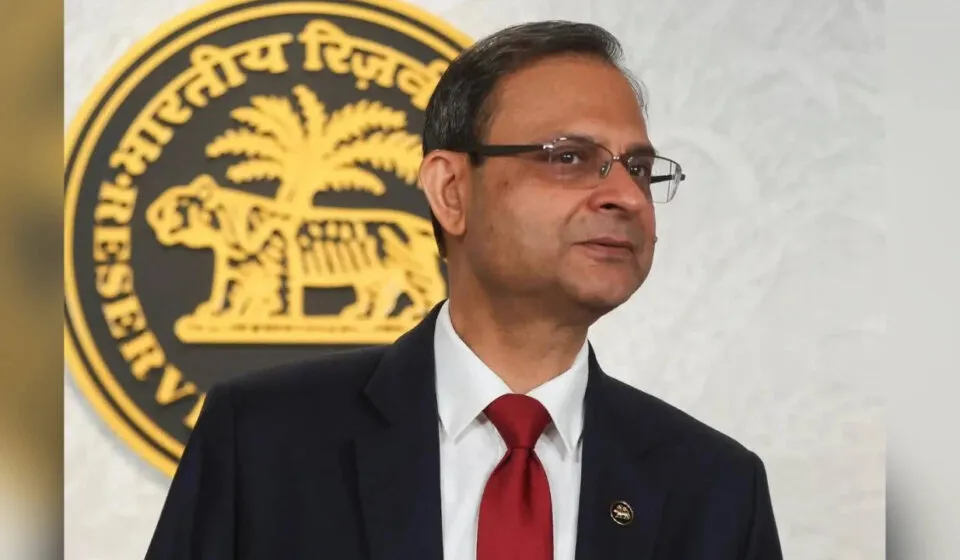
A primary catalyst for Monday’s rupee surge was a remark by RBI Governor Sanjay Malhotra, who indicated that the domestic currency was undervalued. Such a statement from the central bank’s head carries immense weight and is often interpreted as a strong signal to the market. When the RBI Governor suggests a currency is undervalued, it can imply several things:
- Fundamental Strength: It suggests that the underlying economic conditions of the country are stronger than what the current exchange rate reflects.
- Potential for Appreciation: It can encourage investors to believe that the currency has room to strengthen further, making it an attractive asset.
- Policy Stance: It might also hint at the central bank’s comfort with a stronger rupee or even a potential willingness to intervene in the market to prevent excessive depreciation, thereby instilling confidence.
These remarks often guide market sentiment and can trigger a fresh wave of buying interest in the local currency, as witnessed on Monday.
Tides of Capital: Bolstering Foreign Inflows
Another significant factor contributing to the rupee’s strength was the sustained inflow of foreign currency. Specifically, Foreign Currency Non-Resident (Bank), or FCNR(B) deposits, played a crucial role. FCNR(B) deposits are term deposits offered by banks in India to Non-Resident Indians (NRIs) and Persons of Indian Origin (PIOs). These deposits are maintained in foreign currencies (like USD, GBP, EUR, JPY) but are held in India, offering competitive interest rates and often tax benefits. An increase in FCNR(B) deposits means more foreign currency is flowing into the Indian banking system, which effectively increases the supply of foreign currency relative to the rupee. This increased supply helps to strengthen the rupee’s value against foreign currencies, as the demand for rupees rises to convert these foreign funds for investment or deposit purposes within India.
Global Oil Dynamics: A Boon for India
The sharp decline in global crude oil prices provided a significant tailwind for the Indian rupee. India is one of the world’s largest importers of crude oil, making its economy highly susceptible to fluctuations in international oil prices. When crude prices fall:
- Reduced Import Bill: India’s import bill decreases, leading to a lower outflow of foreign currency (US dollars) to purchase oil.
- Improved Current Account Deficit: A lower import bill helps to narrow the current account deficit (CAD), which is the difference between money flowing into and out of the country. A healthier CAD is positive for currency stability.
- Lower Inflationary Pressure: Cheaper oil reduces input costs for various industries and transportation, potentially easing inflationary pressures within the economy.
This combined effect reduces the demand for US dollars in the domestic market, thereby strengthening the Indian rupee. The timing of this global oil price decline perfectly complemented the domestic factors, creating a powerful upward momentum for the currency.
Stock Markets Rebound: Sensex Ends Losing Streak
The positive sentiment generated by the rupee’s appreciation and the underlying economic factors spilled over into the Indian stock markets. The S&P BSE Sensex, India’s benchmark equity index, surged by 776 points, marking a robust recovery. This significant jump helped the index to break a recent losing streak, indicating renewed investor confidence. A stronger rupee is generally favorable for the stock market as it can attract more foreign portfolio investment (FPI) and also benefits companies that are net importers, as their raw material costs decrease. Moreover, lower crude oil prices reduce operational costs for many sectors, potentially boosting corporate profitability. The combination of a stable currency, positive central bank outlook, and reduced external risks fosters an environment conducive to equity market growth.
Broader Economic Outlook and Investor Confidence
The events of Monday underscore a broader narrative of resilience and cautious optimism for the Indian economy. A strengthening rupee, particularly when driven by fundamental factors like foreign inflows and favorable global commodity prices, reflects improved macroeconomic stability. The RBI Governor’s comments further reinforce this perception, suggesting that the central bank is confident in the country’s economic trajectory. For investors, both domestic and international, this confluence of positive indicators makes India an increasingly attractive destination. Reduced inflationary risks from lower oil prices, coupled with a stable currency, create a more predictable and favorable business environment. This can encourage further foreign direct investment (FDI) and portfolio investment, contributing to long-term economic growth and job creation.
Conclusion
Monday’s impressive performance of the Indian rupee and the subsequent rally in the stock market highlight the intricate interplay of domestic policy signals and global economic dynamics. The RBI Governor’s assessment of an undervalued rupee, coupled with robust foreign capital inflows and a decline in global crude prices, created a powerful synergy that propelled the domestic currency to a significant gain. This, in turn, fueled a strong rebound in equity markets, ending a period of subdued performance. While market movements are inherently volatile, the day’s events certainly provided a strong dose of confidence, signaling a potentially positive trajectory for India’s economic health and its standing in the global financial landscape in the near term.