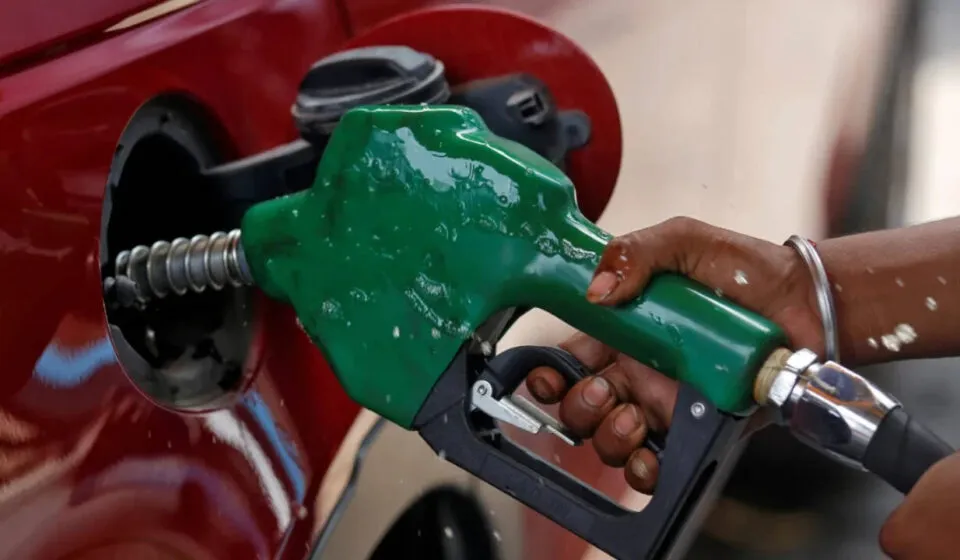

Ensuring Fuel Integrity: A National Priority
In a significant move to reassure consumers and uphold the quality of petroleum products, the Ministry of Petroleum has unequivocally dismissed widespread claims of rampant fuel adulteration across the nation. Following an exhaustive and rigorous testing regime that encompassed over 2,000 samples from various fuel stations, the Ministry announced that only a minimal number of two cases of contamination were detected. This comprehensive assessment underscores the government’s commitment to maintaining high standards for fuel quality and protecting consumer interests.
The announcement comes amidst ongoing public discourse and concerns regarding the integrity of fuel supplies, which can impact vehicle performance, environmental health, and the broader economy. The Ministry’s proactive stance, involving enhanced quality control measures and stringent penalties for any proven infractions, signals a renewed focus on transparency and accountability within the petroleum sector.
The Scope of the Investigation: Over 2,000 Samples Tested
The core of the Ministry of Petroleum’s recent declaration rests on the sheer scale and thoroughness of its fuel quality audit. More than two thousand samples of petrol and diesel were collected from a diverse range of fuel stations across different regions. This extensive sampling process was not a one-off event but part of an ongoing, intensified monitoring program designed to catch potential issues promptly.
A key component of these enhanced quality measures is the implementation of water ingress testing. This crucial test is performed multiple times a day at various fuel stations, making it a continuous and vigilant mechanism for detecting one of the most common forms of fuel contamination. Water in fuel can lead to severe engine damage and operational problems for vehicles, making its detection and prevention paramount.
The meticulous analysis of these samples revealed a remarkably low incidence of contamination. The finding of only two verified cases across such a large sample size suggests that, contrary to popular belief, fuel adulteration is not a widespread systemic issue but rather isolated incidents.
Immediate Action and the ‘Two Cases’
Upon the detection of the two verified cases of contamination, the Ministry of Petroleum acted swiftly and decisively. Sales were immediately halted at the specific locations where the contaminated samples originated. This prompt action is critical for several reasons:
- Consumer Protection: It prevents further distribution of substandard fuel, safeguarding consumers from potential vehicle damage and financial loss.
- Accountability: It sends a clear message to fuel station operators that quality deviations will not be tolerated.
- Investigation: Halting sales allows for a thorough investigation into the source and cause of the adulteration, enabling corrective measures to be implemented.
The swift response demonstrates the Ministry’s commitment not only to detecting issues but also to resolving them without delay, thereby reinforcing public trust in the regulatory framework.
Understanding the Impact of Fuel Adulteration
Fuel adulteration, while seemingly minor in isolated incidents, carries significant repercussions across various facets of the economy and environment. When fuel is mixed with cheaper, often inferior substances like kerosene, solvents, or even water, the consequences can be severe:
- Vehicle Damage and Performance Issues: Adulterated fuel can lead to engine knocking, reduced power output, increased wear and tear on engine components, and severe damage to fuel injection systems. This can result in costly repairs for vehicle owners and a shortened lifespan for their automobiles.
- Economic Ramifications: For consumers, compromised fuel quality translates into lower mileage and higher maintenance costs. For the broader economy, it can disrupt transportation, impact agricultural machinery, and affect industrial operations, leading to decreased productivity and efficiency. Genuine fuel retailers also suffer from unfair competition.
- Environmental Concerns: Substandard fuel often burns inefficiently, leading to higher emissions of harmful pollutants such as carbon monoxide, unburnt hydrocarbons, and particulate matter. This exacerbates air pollution, contributing to respiratory diseases and environmental degradation.
- Erosion of Consumer Trust: Persistent concerns about fuel quality can erode public confidence in fuel suppliers and regulatory bodies, creating a climate of suspicion and dissatisfaction. The Ministry’s current efforts aim directly at rebuilding and strengthening this trust.
Historical Context and Regulatory Framework
The challenge of ensuring fuel quality is not new. Historically, various countries, including India, have grappled with instances of fuel adulteration driven by economic motives. To combat this, a robust regulatory framework has been established over the years.
In India, the Bureau of Indian Standards (BIS) sets the specifications for petrol and diesel, ensuring they meet specific quality parameters. Various acts and rules, such as the Petroleum Act, 1934, and the Motor Spirit and High Speed Diesel (Regulation of Supply, Distribution and Prevention of Malpractices) Order, 2005, provide the legal backing for monitoring and penalizing adulteration. Regulatory bodies conduct regular inspections, but the Ministry’s latest initiative signifies an intensification of these efforts, leveraging modern testing methodologies and a more frequent inspection schedule.
Enhanced Quality Control Measures: A Proactive Approach
The Ministry of Petroleum’s strategy is characterized by a proactive and multi-pronged approach to quality control. Beyond the daily water ingress testing, it implies a broader commitment to continuous vigilance. These measures likely include:
- Random Sampling and Testing: Regular, unannounced checks at fuel stations to ensure compliance with quality standards.
- Advanced Laboratory Analysis: Utilizing sophisticated lab equipment to test for a wider range of contaminants and ensure adherence to specifications like octane/cetane numbers, density, and distillation parameters.
- Technology Integration: Potentially employing digital tools for real-time monitoring of fuel dispatch and delivery, reducing opportunities for tampering.
- Dealer Education and Training: Informing fuel station operators about best practices for fuel storage, handling, and quality maintenance.
These comprehensive measures are designed to create a robust deterrent against adulteration and ensure that only high-quality fuel reaches the end consumer.
Strict Penalties and Future Deterrence
The Ministry’s announcement also contained a stern warning: stringent penalties will be enforced against any future instances of adulteration. This is a critical element of the strategy, as effective deterrence requires not only detection but also credible consequences.
Penalties for fuel adulteration typically include:
- Heavy Fines: Financial penalties that significantly impact the profitability of illicit activities.
- Suspension or Revocation of Licenses: The ultimate consequence for fuel station operators, leading to loss of business.
- Criminal Prosecution: In severe cases, individuals involved in fuel adulteration can face criminal charges, including imprisonment, under various laws.
The clear articulation of these penalties serves as a powerful message to potential offenders, reinforcing the government’s zero-tolerance policy towards malpractices in the petroleum sector.
Building Consumer Confidence Through Transparency
Ultimately, the Ministry of Petroleum’s extensive testing and subsequent public declaration are aimed at rebuilding and strengthening consumer confidence. By transparently sharing the results of such a large-scale investigation, the Ministry is fostering trust and demonstrating its commitment to consumer welfare.
In an age where information travels rapidly and public perception is crucial, taking decisive action and communicating findings openly is vital. Consumers can now be more assured that the fuel they purchase meets the required quality standards, contributing to peace of mind and smoother operations for their vehicles.
Conclusion: A Commitment to Uncompromised Fuel Quality
The Ministry of Petroleum’s latest findings, demonstrating a minimal incidence of fuel adulteration after testing over 2,000 samples, provide significant reassurance to the public. The enhanced quality control measures, including daily water ingress testing and the promise of stringent penalties, underscore a firm commitment to maintaining the integrity of the nation’s fuel supply.
This proactive and transparent approach is crucial for protecting consumers, safeguarding the environment, and ensuring the smooth functioning of the economy. While vigilance must remain constant, these efforts mark a positive step towards ensuring that every drop of fuel dispensed meets the highest standards of quality and purity.