RBI Governor Signals Potential Charges for High-Value UPI Transactions: Navigating the Future of Digital Payments

India’s Digital Payment Revolution: The UPI Phenomenon
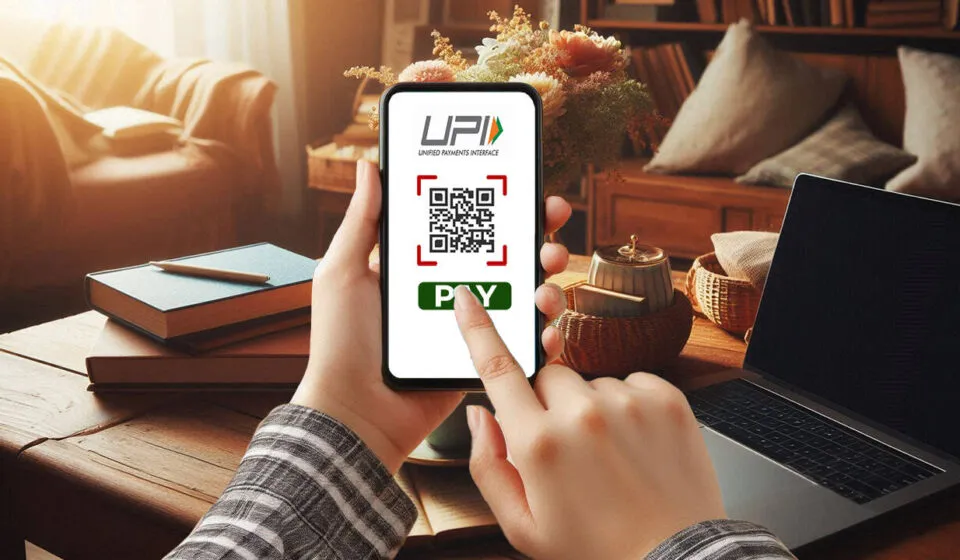
India has witnessed an unprecedented revolution in its digital payments landscape, largely spearheaded by the Unified Payments Interface (UPI). Launched in 2016 by the National Payments Corporation of India (NPCI), UPI rapidly transformed how millions of Indians conduct financial transactions, from daily small purchases to significant transfers. Its ease of use, instant settlement, and interoperability across various banking platforms have made it a cornerstone of the country’s economic digitization efforts. Currently, UPI transactions are largely free for both consumers and merchants, a factor that has significantly contributed to its explosive growth.
However, the sustainability of this ‘free’ model has periodically come under scrutiny. Recently, the Governor of the Reserve Bank of India (RBI) underscored this very point, stating that “someone has to pay the cost” for the infrastructure and services that underpin such a massive payment network. This statement comes amidst discussions around potentially introducing a Merchant Discount Rate (MDR) for UPI transactions exceeding a specific threshold, specifically Rs 2,000.
Understanding the Proposed MDR and its Scope
The concept of a Merchant Discount Rate (MDR) is not new to the payment ecosystem. It is a fee that a merchant pays to their acquiring bank for processing debit or credit card transactions. This fee typically covers the costs associated with payment infrastructure, fraud prevention, transaction processing, and settlement. For UPI, the discussion around MDR suggests a similar mechanism could be applied to ensure the long-term viability and continued enhancement of the platform.
According to official estimates, the proposed threshold of Rs 2,000 for MDR application would strategically target a specific segment of UPI transactions. While this threshold would only encompass approximately 5% of the total volume of UPI transactions, these high-value transactions collectively account for nearly 65% of the total value processed on the platform. This distinction is crucial, as it indicates a deliberate effort to impact larger transactions without burdening the vast majority of everyday, low-value payments that characterize UPI’s widespread adoption.
What Transactions Would Be Affected?
- Likely Affected: Larger retail purchases, payments for durable goods, high-value services, or business-to-business transactions exceeding Rs 2,000.
- Unlikely to Be Affected: Routine daily transactions such as buying milk, vegetables, groceries, or payments for auto-rickshaws and taxis, which typically fall below the Rs 2,000 mark.
This targeted approach aims to strike a balance: maintaining the accessibility and ‘free’ nature for micro-transactions while seeking to recover costs from higher-value movements that place greater demands on the underlying infrastructure.
The ‘Cost’ of a Free System: RBI’s Rationale
The RBI Governor’s assertion that